
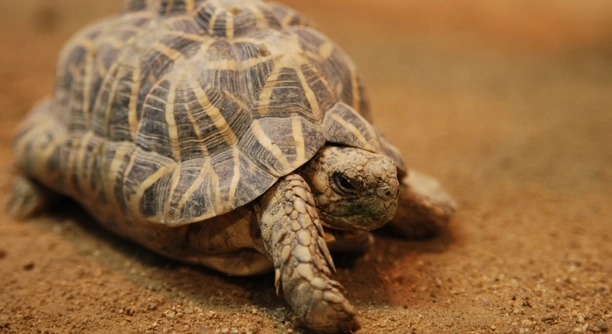
Turtles are fascinating creatures, and if you have one as a pet, you might notice some curious behavior, like swimming in circles. This movement can be puzzling, but understanding the reasons behind it can help improve your turtle’s well-being.
Swimming in circles may occur due to stress, boredom, or poor tank conditions. Turtles need mental stimulation and a proper environment to feel safe. Ensure their habitat is clean, and they have plenty of space to roam and explore.
Understanding the causes behind this behavior is essential for creating a comfortable living environment for your turtle. With a few adjustments, you can help reduce their stress and improve their quality of life.
Stress and Anxiety
Turtles are sensitive to their environment, and stress can lead to swimming in circles. Changes in their living space, like a sudden temperature shift or unfamiliar noises, can make them feel unsettled. It’s essential to ensure their tank is quiet, calm, and free of distractions. If you’ve recently moved the tank, your turtle may be adjusting to the new location.
Providing a comfortable habitat, with the right temperature and lighting, can reduce stress. Make sure the tank is large enough for them to move freely and that they have hiding spots for security.
Stress from handling can also contribute to this behavior. Turtles often prefer to stay in their space without frequent interference. It’s best to observe them from a distance to avoid further agitation. If you find that your turtle is constantly swimming in circles, give it some time to adjust. If the behavior persists, consider evaluating other environmental factors that may be at play.
Boredom and Lack of Stimulation
Turtles need more than just food and water to stay content. Without enough mental stimulation, they may begin swimming in repetitive patterns, such as circles. If your turtle doesn’t have any toys or enrichment activities, it can quickly get bored.
Consider adding elements like floating objects, plants, or a variety of textures for your turtle to explore. Turtles are curious and enjoy investigating new objects. A bit of creativity can go a long way in keeping them engaged and active.
Poor Tank Conditions
If the tank isn’t clean or lacks the proper environment, your turtle may swim in circles. A dirty tank can stress out your turtle and make it feel uncomfortable. Check the water quality often, and make sure there are no harmful chemicals or waste. A proper filter and regular water changes are key.
Turtles also need adequate space to move around. If the tank is too small, they may feel cramped and start swimming in circles as a way to cope with the lack of room. Aim for a tank that allows your turtle to move freely, swim, and bask without restriction.
Proper lighting is another factor. Turtles need UVB light to stay healthy, and if the light in their tank is not working or not positioned correctly, they may feel disoriented. Regularly check the lighting to ensure it mimics their natural habitat and keeps them comfortable.
Health Issues
Sometimes, swimming in circles can be a sign of health problems. If your turtle has a neurological issue, such as an infection or injury, it may swim in abnormal patterns. It’s important to pay attention to any other signs of illness, like loss of appetite or lethargy.
Health problems in turtles can be tricky to detect, so if the behavior continues, it’s worth a visit to the vet. A professional can run tests and rule out diseases or infections. Keeping an eye on your turtle’s overall health will ensure it gets the care it needs to stay happy.
Feeding Issues
Improper feeding can also cause your turtle to swim in circles. If they aren’t getting the right nutrients, they might feel restless and act out in strange ways. Offering a balanced diet with a mix of vegetables, protein, and occasional treats is important for their health.
Feeding your turtle at regular intervals and ensuring they’re getting enough food can help reduce abnormal behaviors. A hungry turtle may swim endlessly in search of food, especially if they’re not eating enough.
Tank Mates
Turtles can sometimes swim in circles if they’re not getting along with other animals in their tank. Aggressive behavior or competition for space can cause stress, resulting in repetitive swimming.
It’s crucial to make sure your turtle’s tank mates are compatible. If conflicts occur, consider separating the animals to reduce stress and allow your turtle to feel secure.
FAQ
Why does my turtle swim in circles all the time?
Turtles swimming in circles may be stressed, bored, or facing poor tank conditions. Stress could stem from changes in their environment, like a new tank setup or too much noise. Boredom can happen if they have nothing to do in the tank, and poor tank conditions can cause discomfort or disorientation. Ensure your turtle has enough space, proper lighting, clean water, and opportunities to explore. If the behavior continues despite these adjustments, consult a vet to rule out health issues.
Can swimming in circles indicate a health problem?
Yes, swimming in circles can sometimes signal a health issue. If the behavior is persistent and not caused by environmental factors, it might point to neurological problems, infections, or even an injury. Turtles are good at hiding signs of illness, so watch for other signs like changes in eating habits, lethargy, or unusual postures. A trip to the vet will help identify any potential health concerns.
How can I reduce my turtle’s stress?
To reduce stress, make sure your turtle’s tank is in a quiet, calm area, free from sudden noises or disturbances. Ensure the tank is large enough for your turtle to move around comfortably. Proper heating, lighting, and water quality are also crucial. Turtles feel safe when their environment mimics their natural habitat, so maintaining these factors is key. Avoid handling your turtle too often, as this can add to their stress.
Can a small tank cause my turtle to swim in circles?
Yes, a small tank can limit your turtle’s movement, making it feel trapped or stressed. When turtles don’t have enough space, they may swim in repetitive patterns like circles to cope with the confinement. To prevent this, make sure the tank is spacious enough for your turtle to swim, bask, and explore. A good rule of thumb is to provide at least 10 gallons of water per inch of turtle shell.
Is it normal for my turtle to swim in circles after eating?
Turtles may swim in circles after eating, especially if they’re hungry or excited about food. However, if this behavior is excessive or continues for a long period, it could indicate a problem. Check if your turtle is eating the right amount and getting a balanced diet. Overeating or not eating enough can also lead to behavioral changes, including swimming in circles.
Should I worry if my turtle starts swimming in circles unexpectedly?
If your turtle suddenly begins swimming in circles and the behavior doesn’t stop after a short time, it’s important to evaluate the environment and health. Check the water quality, temperature, and lighting, and make sure there are no other stressors. If these factors are in good condition and the behavior persists, it could be a sign of a health issue, and you should consider consulting a vet for advice.
How can I tell if my turtle is bored?
Bored turtles often show signs of restlessness, such as swimming in circles, attempting to climb the walls of their tank, or showing little interest in their environment. If your turtle doesn’t seem to engage with their tank or swim around freely, it may be bored. Adding plants, floating objects, or rocks to the tank can provide them with something to explore. You can also rotate toys or offer different types of food to stimulate them.
What temperature should my turtle’s tank be to avoid circle swimming?
Maintaining the right temperature is essential for your turtle’s health. The water temperature should be between 75°F and 85°F (24°C to 29°C), while the basking area should be around 85°F to 90°F (29°C to 32°C). Incorrect temperatures can make your turtle feel uncomfortable and stressed, potentially leading to behaviors like swimming in circles. Use a thermometer to monitor the water and basking area regularly to ensure they stay within the optimal range.
Can tank filtration issues cause my turtle to swim in circles?
Yes, poor filtration can lead to poor water quality, which in turn can stress your turtle. Turtles are sensitive to the cleanliness of their tank, and dirty water can cause them to swim erratically or repetitively. Make sure your filtration system is powerful enough for the size of your tank and that you’re changing the water regularly. Cleaning the tank and the filter will help maintain a healthy environment and reduce stress-related behaviors.
What can I do if my turtle’s swimming in circles due to tank mates?
If your turtle shares its tank with other animals and is swimming in circles, it might be stressed from interactions with its tank mates. Aggressive behavior or competition for space can cause anxiety. If this is the case, consider separating the animals or providing more hiding spots and space in the tank. Ensuring that your turtle and its tank mates are compatible is important for maintaining a stress-free environment.
Final Thoughts
Swimming in circles can be a common behavior for turtles, but it’s often a sign that something in their environment isn’t quite right. Whether it’s stress, boredom, or poor tank conditions, there are several factors that could be causing this behavior. Understanding the root cause is key to helping your turtle feel more comfortable. Once you identify what might be causing the circling, you can make simple adjustments to their tank or routine that can improve their well-being. Ensuring your turtle has a clean, spacious, and quiet environment is one of the most effective ways to reduce stress.
Additionally, always keep an eye on their health. While swimming in circles may be a harmless behavior caused by environmental factors, it could also indicate a health problem. If you’ve ruled out any environmental issues and the behavior persists, it’s worth consulting a vet. Turtles can hide signs of illness, and professional advice will help ensure they stay in good health. Addressing health concerns early can prevent more serious issues down the line. If your turtle continues to swim in circles and shows other signs of distress, such as lack of appetite or unusual movement, it may be time for a check-up.
Ultimately, taking good care of your turtle’s environment and paying attention to their habits will help them live a happier and healthier life. Every turtle is unique, so it’s important to monitor their behavior regularly. If swimming in circles is an ongoing issue, don’t hesitate to make changes to their tank setup, feeding routine, or handling habits. By making the right adjustments and keeping their well-being a priority, you’ll help your turtle thrive in their home.

Hello,
If you enjoy the content that we create, please consider saying a "Thank You!" by leaving a tip.
Every little bit helps us continue crafting quality advice that supports the health, happiness, and well-being of pets around the world, for pets of all shapes, sizes, and species.
We really appreciate the kindness and support that you show us!