
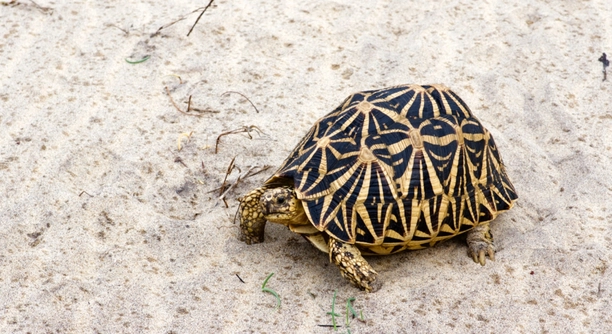
Turtles are fascinating creatures, but if you notice your turtle’s shell looking dull, it can be a concern. Several factors could affect the shine and health of your turtle’s shell. Understanding these causes can help restore its natural luster.
A dull turtle shell is often caused by inadequate care, diet, or environmental conditions. Issues like dehydration, improper lighting, and a lack of essential nutrients can lead to a lack of shine and vitality in a turtle’s shell.
To bring back your turtle’s healthy glow, it’s important to understand what’s causing the dullness. There are simple steps to improve your turtle’s care routine and environment.
Lack of Proper Lighting
A turtle’s shell needs exposure to the right kind of light to stay healthy and vibrant. If your turtle doesn’t have enough access to UVB light, it can lead to problems with its shell, causing it to appear dull. UVB light is essential for calcium absorption, which helps maintain a strong and shiny shell. Without it, turtles can develop shell issues, including softening and a lack of shine.
Turtles need direct exposure to UVB rays for at least 10-12 hours a day. Without proper light, their shell health can decline. If you’ve noticed your turtle’s shell looking dull, the lighting situation may be the problem.
Make sure your turtle has access to both UVB lighting and a heat source in its tank. While natural sunlight is great, if it’s not possible for your turtle to get outside, providing a quality UVB light bulb is necessary. This should be positioned within the proper distance from your turtle’s basking area to ensure it gets enough exposure. Regularly check that the bulb is still emitting the correct UVB rays and replace it when necessary, as UVB bulbs lose their effectiveness over time. Correct lighting will not only brighten your turtle’s shell but also support its overall health.
Insufficient Hydration
If your turtle is not getting enough water, its shell can look lackluster. Hydration is crucial for shell health. Dehydration can cause the shell to become dry and dull.
A hydrated turtle maintains a healthy shell, while dehydration can cause dryness, affecting its luster. Regular access to clean water will help prevent this. Keeping water clean and fresh will encourage your turtle to stay hydrated and feel better overall. Turtles, especially those that live in aquatic environments, depend on proper hydration to stay healthy. Ensuring their tank has clean water, and that they drink enough, can keep the shell looking its best.
Adding a water filter to your turtle’s tank can help keep the water fresh and free from bacteria. Make sure the tank is cleaned regularly to prevent waste buildup. Fresh water, combined with a balanced diet, ensures that your turtle’s shell remains hydrated and healthy. Providing access to a water dish for land turtles will also help them stay hydrated and prevent dullness from dehydration. Regular attention to hydration is one of the simplest ways to improve the appearance and health of your turtle’s shell.
Poor Diet
A turtle’s shell can lose its shine if its diet is lacking in essential nutrients. An unbalanced diet, low in calcium or vitamin D3, can result in dullness and even affect the overall health of your turtle. Feeding a variety of fresh vegetables, insects, and high-quality pellets is key.
To support a healthy shell, it’s important to include calcium-rich foods like leafy greens, and offer appropriate supplements when necessary. A calcium deficiency can weaken the shell, causing it to look dry and dull. Vitamin D3 is also vital for calcium absorption, and without it, your turtle may struggle to maintain a vibrant shell.
Along with calcium and vitamin D3, turtles need a well-rounded diet that includes protein. Over time, a lack of variety in their meals can impact their shell’s appearance. Offering a mix of fruits, vegetables, and protein sources ensures your turtle receives the nutrients needed to keep its shell healthy and shiny. Ensure the food is fresh, and always remove uneaten food from the tank to prevent contamination.
Inadequate Tank Conditions
Improper tank conditions can have a direct effect on the appearance of your turtle’s shell. If the temperature and humidity levels are off, it can lead to stress and health issues that impact the shell. Maintaining the right environment is essential for keeping your turtle’s shell looking its best.
The water temperature should be kept around 75-80°F for most species, and the basking area should be slightly warmer, between 85-90°F. Humidity levels should also be managed, especially for land turtles, which require higher humidity to prevent dry, flaky shells. If these environmental factors aren’t met, your turtle may not thrive and its shell will suffer.
By using a thermometer and hygrometer to monitor temperature and humidity, you can make sure your turtle is living in ideal conditions. This creates a healthier environment that will promote shell health. A stress-free turtle, with proper temperature and humidity control, is more likely to have a shiny, well-maintained shell. It’s a small adjustment that can make a big difference in your turtle’s appearance and overall well-being.
Shell Damage
If your turtle’s shell is scratched or damaged, it can lead to dullness. Shell damage can result from rough surfaces, sharp objects, or even aggressive interactions with other turtles. This will affect its appearance and may cause it to look less shiny over time.
A damaged shell will not only appear dull but could also lead to health problems like infections. It’s essential to ensure your turtle’s living environment is safe and free of objects that could harm it. Avoid tank decorations with rough edges and check regularly for signs of shell injury.
If your turtle shows signs of shell damage, seek advice from a veterinarian to prevent further harm and to promote healing. Depending on the severity, treatment may involve extra care in the tank or special products to aid in shell recovery.
Excessive Moisture
Too much moisture in the turtle’s tank can affect its shell’s appearance. Consistent exposure to excessive humidity can cause the shell to soften and look dull. This is especially problematic in tanks with high water levels or tanks that aren’t properly ventilated.
To avoid excess moisture, ensure your tank has adequate ventilation and that water levels are managed properly. If you’re keeping a land turtle, make sure the substrate is dry, and that humidity levels are not too high. Excess moisture can encourage fungal growth and affect shell health, leaving it looking lackluster.
Lack of Shell Maintenance
Shell maintenance is an important but often overlooked part of turtle care. Regular cleaning of your turtle’s shell and environment can help prevent buildup and keep its appearance vibrant. A dirty shell may look dull and unkempt.
Cleaning your turtle’s shell with a soft brush and some warm water will help maintain its shine and health. Make sure to clean your turtle’s tank regularly as well, removing waste and debris that may accumulate. Keeping the environment clean ensures your turtle’s shell stays clear of bacteria and buildup, which could otherwise cause dullness or discoloration.
FAQ
Why is my turtle’s shell turning dull?
A dull shell often results from poor care. It could be due to inadequate lighting, improper diet, dehydration, or suboptimal tank conditions. Turtles rely on UVB lighting for calcium absorption, which is essential for shell health. If they’re not getting the right amount of nutrients, their shells can lose their shine. Additionally, dehydration or inadequate hydration can cause their shells to appear dry and dull.
How do I know if my turtle is dehydrated?
Signs of dehydration in turtles include lethargy, a dry or flaky shell, and reduced appetite. If your turtle’s shell looks dry and doesn’t regain its natural luster, dehydration might be the cause. Providing regular access to clean water and monitoring your turtle’s water intake is essential for preventing dehydration.
Can I improve the shine on my turtle’s shell?
Yes, you can improve the shine by ensuring proper diet, hydration, and lighting. Offering a balanced diet rich in calcium and vitamins, ensuring the turtle has access to UVB light, and maintaining clean water will all contribute to a healthier, shinier shell. Regular shell cleaning can also help improve its appearance.
Should I use any products to clean my turtle’s shell?
It’s best to clean your turtle’s shell using a soft brush and warm water, avoiding harsh chemicals or commercial shell cleaners. Some commercial products may cause irritation or damage to your turtle’s skin and shell. Always prioritize natural methods to keep your turtle clean and healthy.
What kind of light does my turtle need?
Turtles need both UVA and UVB light for their overall health. UVB light is crucial for calcium absorption, which directly impacts shell health. A high-quality UVB bulb should be used in your turtle’s tank and should be replaced every six months to ensure it’s effective.
How often should I feed my turtle?
The frequency of feeding depends on your turtle’s age and species. Generally, juvenile turtles need to be fed every day, while adults can be fed every other day. A balanced diet of protein, leafy greens, and occasional fruits or vegetables should be provided to keep their shell and overall health in top condition.
Can I put my turtle in the sun?
Yes, sunlight can be beneficial for your turtle, especially if it’s getting the proper UVB exposure. However, always be cautious about temperature and ensure your turtle has a safe, shaded area to retreat to. Direct sunlight should be limited to short periods to avoid overheating.
How do I keep my turtle’s tank clean?
Regular cleaning of the tank is essential to maintain a healthy environment. Remove uneaten food daily, replace the water frequently, and clean any tank decorations. You should also use a filter to keep the water clean and clear. Scrub the tank walls and accessories with warm water and mild soap when needed.
How can I tell if my turtle has a shell infection?
A turtle with a shell infection may have soft, discolored, or mushy spots on its shell. You might also notice swelling, foul odors, or the formation of ulcers. If you suspect an infection, consult a veterinarian immediately for proper diagnosis and treatment.
Why is my turtle’s shell soft?
A soft shell is typically caused by a calcium deficiency or lack of UVB light. Without sufficient calcium, a turtle’s shell will not develop properly and can become soft or even deformed. Proper lighting and a calcium-rich diet can help prevent and treat this issue.
What kind of food is best for my turtle’s shell?
To keep your turtle’s shell healthy, feed it a varied diet. Include leafy greens like kale and collard greens, high-quality pellets, and protein-rich foods like insects or fish. Adding calcium supplements, especially if your turtle’s diet lacks certain nutrients, can improve shell health.
Is it normal for my turtle to shed its shell?
Turtles shed their outer scutes (the individual plates that make up the shell) periodically. This is a normal process that helps them grow. If the shedding appears excessive or is accompanied by other symptoms like swelling or discoloration, it could indicate an underlying health issue.
Can I use a water heater for my turtle’s tank?
Yes, a water heater is important for keeping the water at the proper temperature for your turtle’s species. The water temperature should generally be kept between 75-80°F. A stable, warm environment helps your turtle digest food properly and stay active, which is essential for maintaining a healthy shell.
Do turtles need a basking spot?
Yes, turtles need a basking spot with a heat source. This allows them to regulate their body temperature and dry off their shell after swimming. The basking area should be kept between 85-90°F, and it should be equipped with a UVB light to ensure your turtle’s health.
Final Thoughts
Taking care of a turtle’s shell requires attention to several factors, including diet, hydration, lighting, and tank conditions. If you notice that your turtle’s shell is looking dull, it’s important to first check if there are any issues with these aspects. A lack of proper UVB light can significantly impact your turtle’s shell, as UVB rays are essential for calcium absorption. Without proper calcium, your turtle’s shell can become weak and dull. Along with lighting, providing a balanced diet rich in calcium and vitamins, along with access to clean water, plays a big role in keeping your turtle’s shell healthy and vibrant.
It’s also important to ensure that your turtle is living in the right environment. Maintaining the correct water temperature and humidity levels is key to supporting your turtle’s overall health. If these factors aren’t properly managed, your turtle can become stressed, which might affect its shell. Additionally, making sure your turtle has access to both a basking spot and a place to swim allows it to stay comfortable and healthy. Regular maintenance of the tank, such as cleaning the water and checking for any sharp or dangerous objects, can prevent injury and help maintain the shine on your turtle’s shell.
Lastly, don’t forget that regular checks on your turtle’s shell are necessary. Whether it’s cleaning its shell with warm water or keeping an eye out for any signs of damage or infection, being proactive in your care routine will help your turtle stay healthy. A turtle’s shell is a reflection of its overall health, so paying attention to the small details—like its diet, environment, and hydration—can lead to a stronger, shinier shell. With the right care, your turtle’s shell will remain in great condition for years to come.

Hello,
If you enjoy the content that we create, please consider saying a "Thank You!" by leaving a tip.
Every little bit helps us continue crafting quality advice that supports the health, happiness, and well-being of pets around the world, for pets of all shapes, sizes, and species.
We really appreciate the kindness and support that you show us!