
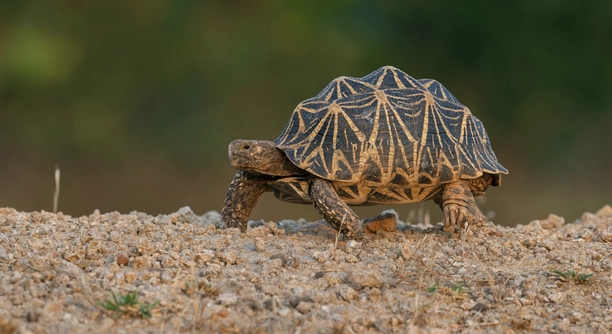
Creating the ideal basking area for your turtle is essential for their health and happiness. A proper setup helps maintain the right temperature and encourages natural behaviors. Ensuring the basking spot is safe and comfortable is key.
To improve your turtle’s basking area, ensure the space is properly heated, well-lit, and easily accessible. The basking platform should be dry and spacious, allowing your turtle to fully bask and regulate its body temperature.
A few simple adjustments can make a big difference in your turtle’s comfort and well-being. This guide will help you optimize the basking area for a happy and healthy pet.
Choose the Right Location
Choosing the right spot for your turtle’s basking area is crucial for its well-being. Turtles need a place that gets enough natural or artificial light. Ideally, the basking spot should be placed in a warm, quiet area of the tank. This helps reduce stress and ensures they can fully relax while basking. Avoid placing the basking area near a draft or in an area with fluctuating temperatures. It’s also important to ensure that the area is easy to access for your turtle. The surface should be large enough for your turtle to stretch out comfortably.
Once you’ve found the right location, check for consistent temperature and light throughout the day. This ensures your turtle’s basking area stays reliable, which is necessary for regulating their body heat. Consistent warmth will help them digest their food, maintain energy levels, and prevent illnesses.
Proper placement of your turtle’s basking area is one of the simplest steps you can take to improve its health. A stable environment is key to a long and healthy life, so it’s worth taking the time to get it right.
Select the Right Basking Platform
A proper basking platform should be sturdy and provide easy access for your turtle. Choose one that suits the size of your tank and the type of turtle you have. It should be large enough to allow your turtle to move around comfortably.
Ensure the platform is positioned just above the waterline to allow easy entry and exit. The surface should be slip-resistant to prevent accidents. Adding a ramp or steps can make it easier for your turtle to climb onto the platform.
A platform with a solid, dry surface will help your turtle maintain a consistent body temperature. It should also be made of durable material, as your turtle will likely spend a lot of time there. Make sure it’s easy to clean and maintain for long-term use. The right platform supports your turtle’s natural basking habits, making it a safe and comfortable space for them.
Provide Proper Lighting
Proper lighting is essential for your turtle’s basking area. UVB lighting is needed to help your turtle synthesize vitamin D3, which is crucial for calcium absorption. Without it, your turtle may suffer from metabolic bone disease. Ensure the light is positioned close enough to the basking platform for your turtle to get the full benefit.
Place the UVB light over the basking area so that your turtle can soak up the rays while it basks. The light should be on for around 10-12 hours a day, simulating day and night cycles. Make sure to replace the UVB bulb regularly, as it loses effectiveness over time.
In addition to UVB light, provide a heat lamp for proper temperature regulation. The heat should be consistent, with the basking spot reaching around 90°F (32°C) during the day. This will help your turtle maintain the necessary body temperature to digest food and stay healthy. Use a thermometer to monitor the temperature of the basking area to ensure it’s ideal for your turtle.
Maintain the Right Temperature
Maintaining the correct temperature is crucial for your turtle’s health. The basking area should be warmer than the rest of the tank, with temperatures ranging from 85°F to 90°F. The water temperature should be kept around 75°F to 80°F for most species.
A good quality heat lamp can provide the warmth needed for the basking spot. However, make sure that the lamp doesn’t overheat the area, as this can stress your turtle. You may also want to use a separate water heater for the tank if the water temperature isn’t consistent.
To avoid sudden temperature changes, keep the heat source at a safe distance from your turtle’s basking area. Using a thermometer will help you monitor the water and basking area temperatures accurately. A consistent temperature allows your turtle to digest food properly and keeps it comfortable in its environment.
Add a Water Filter
A water filter is essential for keeping the environment in your turtle’s tank clean. It helps remove waste and excess food, reducing the need for frequent water changes. Make sure the filter’s flow rate is appropriate for your turtle’s size and tank.
Choosing the right filter for your tank can make maintenance easier. A good filter will help maintain clear water, which is vital for your turtle’s health. It also prevents the build-up of harmful bacteria and waste, making your turtle’s habitat more pleasant.
The filter should be positioned in a way that it doesn’t disturb your turtle while it basks. Ensure the filter is easy to clean and maintain. This ensures a healthier environment for your turtle.
Keep the Tank Clean
Regular cleaning of your turtle’s tank is crucial for maintaining a healthy habitat. It’s not just about cleaning the basking area, but also the water and any accessories. Cleaning should be done frequently to avoid bacteria build-up.
Remove waste and leftover food regularly to keep the water quality high. Clean the tank walls and decorations to prevent algae growth. A dirty tank can lead to illness, so a clean environment helps your turtle thrive.
Also, perform partial water changes every week to keep the water fresh. It’s important to monitor the tank’s water parameters, like pH levels, to make sure they’re within a safe range.
Offer a Variety of Food
A healthy diet plays a significant role in your turtle’s well-being. Offer a variety of foods that include both plant matter and animal protein. This ensures they get all the nutrients they need.
Turtles can enjoy leafy greens, vegetables, and commercial pellets. You can also feed them insects or small fish for protein. Keep in mind the dietary needs of your turtle’s species and avoid overfeeding, which can lead to obesity.
Offering a diverse diet not only keeps your turtle healthy but also prevents boredom.
FAQ
How often should I clean my turtle’s basking area?
Cleaning your turtle’s basking area should be done regularly, ideally once a week, depending on the size of the tank and the number of turtles. Check for any build-up of algae or waste daily and remove it. Regular cleaning helps maintain a healthier environment and prevents bacteria growth, which can lead to illness.
How do I know if my turtle’s basking area is too hot or too cold?
Use a thermometer to measure the temperature of both the basking area and the water. The basking area should be between 85°F and 90°F. If it’s too hot, your turtle may become stressed or avoid basking altogether. If it’s too cold, your turtle won’t be able to digest food properly or regulate its body temperature.
Can I use a regular light bulb for my turtle’s basking area?
It’s not recommended to use a regular light bulb for your turtle’s basking area. A proper UVB bulb is necessary to mimic natural sunlight and allow your turtle to produce vitamin D3. A regular bulb won’t provide the essential UVB rays that turtles need for bone health and overall well-being.
What kind of water filter is best for my turtle’s tank?
Choose a filter that suits the size of your tank and the number of turtles you have. A canister filter is often the best choice because it offers powerful filtration, removing waste and debris effectively. Ensure the filter’s flow rate is gentle enough for your turtle but strong enough to maintain water cleanliness.
How can I keep my turtle’s water clean without changing it all the time?
A good water filter will reduce the need for frequent water changes. However, you should still change about 25% of the water each week to keep it fresh. Remove any excess food, waste, or debris daily to keep the water clean between changes. Adding live plants also helps improve water quality.
Should I provide a ramp or steps for my turtle to reach the basking area?
Yes, a ramp or steps will make it easier for your turtle to climb onto the basking platform. Turtles may have trouble getting up to the basking area if it’s too high or steep. A gentle ramp or steps ensures that your turtle can easily access its basking area and enjoy its time there comfortably.
How much space does my turtle need in its tank?
The general rule is to provide at least 10 gallons of water per inch of turtle shell length. However, the more space, the better. Larger tanks give your turtle room to swim and explore, which is important for its physical and mental health. Make sure the tank is big enough to allow both swimming and basking areas.
Can I use a heating pad for my turtle’s basking area?
A heating pad is not ideal for a turtle’s basking area. It’s better to use a heat lamp, as it provides both warmth and light. The heat lamp should be positioned above the basking area to create the ideal temperature gradient. This will allow your turtle to regulate its body temperature effectively.
Why does my turtle spend so much time underwater instead of basking?
If your turtle spends a lot of time underwater, it could be a sign that the basking area isn’t the right temperature or it’s not comfortable enough. Make sure the basking spot is warm enough and has a dry surface. Some turtles may also prefer to stay in the water if they’re not feeling well, so check for signs of illness.
What should I do if my turtle refuses to bask?
If your turtle refuses to bask, it could be due to an improper basking temperature or lighting. Check the temperature of the basking area and ensure it’s in the recommended range. Also, make sure the UVB light is working properly and positioned correctly. If the issue persists, consider consulting a vet to rule out any health problems.
How long should my turtle bask each day?
Turtles typically bask for about 4 to 8 hours each day. The time spent basking will vary depending on the turtle’s species and the temperature of the basking area. Make sure the basking area is set up properly so that your turtle has enough time to bask and absorb the necessary UVB rays.
Can I use sand or gravel in my turtle’s tank?
You can use sand or gravel, but be cautious. Some turtles may ingest it accidentally, which can lead to digestive issues or impaction. If you do use sand or gravel, make sure it’s large enough that your turtle can’t easily swallow it. Alternatively, you could use a smooth substrate like river rocks, which are easier to clean.
How often should I feed my turtle?
Adult turtles generally need to be fed every other day. Younger turtles may need to be fed daily. Offer a variety of foods, including commercial pellets, leafy greens, and occasional protein sources like insects or fish. Make sure to avoid overfeeding, as it can lead to obesity or other health issues.
Can I put multiple turtles in the same tank?
Yes, you can keep multiple turtles together, but make sure the tank is large enough to accommodate them. Turtles can be territorial, especially during feeding time, so provide enough space and basking areas to avoid conflicts. Monitor their behavior and separate them if any aggressive behavior occurs.
What temperature should the water in my turtle’s tank be?
For most freshwater turtles, the water temperature should be between 75°F and 80°F. Check the temperature regularly with an aquarium thermometer. If the water is too cold, your turtle will become lethargic and may have trouble digesting food. Use a reliable water heater to maintain a consistent temperature.
Final Thoughts
Creating a suitable basking area for your turtle is an important step in ensuring its health and happiness. By choosing the right location, ensuring proper lighting and temperature, and providing a comfortable basking platform, you can help your turtle thrive. A clean and safe environment is essential for their well-being, so making small adjustments can have a big impact on their overall comfort.
Remember that turtles need both dry and wet areas in their habitat. The basking area should provide warmth and light, while the water should remain at an appropriate temperature for swimming and hydration. Regular maintenance, including cleaning the basking area and filtering the water, helps keep the environment clean and safe for your pet. Be mindful of the space available, and ensure your turtle has enough room to move and bask comfortably.
Ultimately, the more you can replicate the natural environment of your turtle, the healthier and happier they will be. Consistent care and attention to their needs, including food, lighting, and temperature, will allow your turtle to live a long and healthy life. With a little effort, you can create a basking area that meets all of your turtle’s needs and provides them with a place to relax and enjoy their time in your care.

Hello,
If you enjoy the content that we create, please consider saying a "Thank You!" by leaving a tip.
Every little bit helps us continue crafting quality advice that supports the health, happiness, and well-being of pets around the world, for pets of all shapes, sizes, and species.
We really appreciate the kindness and support that you show us!