
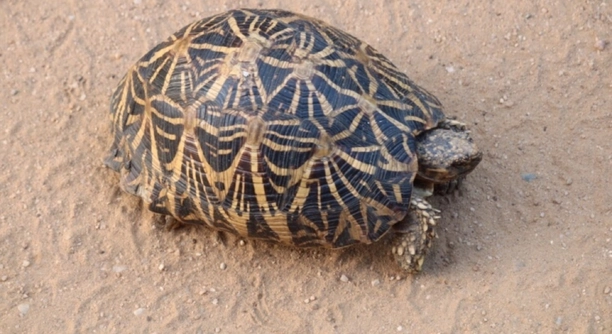
Turtle tanks need careful consideration when choosing plants. Some live plants can be harmful to turtles, while others offer benefits like hiding spots and water filtration. Knowing which plants are safe is important for your pet’s health and well-being.
There are several live plants that are safe for turtle tanks, providing both decoration and a natural habitat. Examples include Anubias, Java Fern, Amazon Sword, Hornwort, Water Lettuce, Duckweed, and Water Sprite. These plants help maintain a healthy tank environment.
These plants offer a natural touch to your turtle’s home. They also provide essential benefits like water cleaning and hiding spaces.
Anubias: A Great Addition to Turtle Tanks
Anubias is one of the best choices for turtle tanks. Its sturdy leaves are tough enough to resist nibbling, and it grows slowly, so you don’t have to worry about frequent trimming. It’s also versatile and can grow in a range of water conditions. Anubias can be attached to rocks or driftwood, creating a natural, inviting look for your turtle’s habitat. These plants are low-maintenance and thrive in both low and bright light. With minimal care, they will continue to grow and provide a clean, enriching environment for your turtle.
While Anubias is easy to maintain, it still requires occasional care. Regularly check its roots to ensure they are not overcrowded, and if necessary, trim dead leaves. It also benefits from some added nutrients, so consider adding a liquid plant fertilizer every now and then.
Anubias plants can grow in various conditions, which makes them ideal for turtle tanks. They are known for their resistance to harsh environments, and they don’t require frequent replanting. The plant’s ability to thrive in both low and high light conditions makes it adaptable to many setups. Whether your tank has natural sunlight or artificial lighting, Anubias will remain healthy. Additionally, these plants are great at absorbing excess nutrients in the water, helping to keep the tank cleaner. This is especially helpful in turtle tanks, as turtles often contribute to water pollution through waste.
Java Fern: Easy to Grow and Manage
Java Fern is another excellent plant choice. It is tough and durable, making it ideal for turtle tanks.
Java Fern can be grown in various tank conditions, and its long, flowing leaves create a lush, natural environment. It’s not easily uprooted, so your turtles can enjoy it without damaging it too much. It grows well even in low light, making it a perfect option for low-maintenance setups.
Amazon Sword: A Beautiful and Beneficial Plant
Amazon Sword is known for its large, broad leaves that create a beautiful, natural look in the tank. It thrives in nutrient-rich substrates and can grow quite large, making it ideal for providing coverage for your turtle. It’s also easy to care for, requiring only occasional pruning.
With proper care, Amazon Sword will provide hiding spots and oxygenate the water. It needs moderate light, so if your tank gets low light, consider adding a bit of extra lighting. The plant benefits from liquid fertilizers to help it grow strong and healthy. Pruning the leaves will keep the plant from overtaking the tank.
One advantage of Amazon Sword is its ability to thrive in various water conditions. Whether you have soft or hard water, it adapts well. This adaptability makes it perfect for turtle tanks, where water conditions can change over time. As the plant matures, its roots grow deep, helping to stabilize the substrate and prevent it from getting too muddy. It also naturally filters the water, keeping the tank cleaner and healthier for your turtle.
Hornwort: Great for Water Quality
Hornwort is another excellent option for turtle tanks. It is a floating plant that helps with water filtration and absorbs excess nutrients.
It grows quickly and doesn’t require a substrate, making it a low-maintenance choice. Simply float it on the water surface, and it will naturally absorb waste and nutrients, improving the overall water quality. Hornwort is also a great hiding spot for your turtle.
Hornwort’s ability to absorb excess nutrients helps reduce algae growth. It also provides your turtle with a place to rest and explore, offering plenty of cover. Since it floats freely, it can be easily moved or trimmed to maintain space in the tank. Its fast growth helps maintain water balance, ensuring your turtle stays in a healthy environment. Hornwort’s ease of care makes it an ideal option for beginners looking for simple ways to improve their turtle tank’s ecosystem.
Water Lettuce: Ideal for Floating Coverage
Water Lettuce is a floating plant that provides excellent coverage in your turtle tank. It helps to shade the water, which can reduce algae growth and provide hiding spaces for your turtle. Its soft, lettuce-like leaves create a lush appearance.
This plant grows quickly, so regular trimming may be needed to prevent overcrowding. Water Lettuce also helps with water filtration, absorbing excess nutrients and keeping the tank cleaner. It can be easily removed or replaced as needed, making it simple to manage.
Duckweed: A Natural Water Filter
Duckweed is a tiny floating plant that’s perfect for controlling algae and excess nutrients in your turtle tank. It grows rapidly, helping to keep the water clean. Its small size allows it to cover the surface without taking up too much space.
Duckweed also provides a natural food source for some turtles, as they enjoy nibbling on it. However, its fast growth means you will need to monitor it closely to prevent it from overwhelming the tank. Regularly thinning the plant helps keep a balance between water filtration and open water space for your turtle.
FAQ
Can turtles eat the plants in their tank?
Yes, turtles may nibble on plants in their tank. However, the types of plants you choose can help manage this. Some plants, like Anubias and Java Fern, have tough, fibrous leaves that are less likely to be eaten. While others, like Duckweed, may be more appealing to your turtle. The amount of plant consumption will depend on the turtle species and their dietary preferences. To balance this, ensure your turtle is fed enough food so they don’t rely on the plants for nutrition.
How do I care for live plants in a turtle tank?
Caring for live plants in a turtle tank is fairly simple but does require some attention. Regular trimming is essential to prevent plants from overgrowing. Many aquatic plants need moderate to bright light, so placing your tank in an area with sufficient light or adding an aquarium light will help. Fertilizers are helpful but only needed occasionally, as too many nutrients can cause algae growth. Additionally, you should monitor water conditions regularly to ensure the plants are thriving.
Are there any plants that can harm my turtle?
Yes, some plants can be harmful to turtles, either by causing digestive issues or by having toxic properties. Plants like Azolla and some species of Ivy can be dangerous if consumed. Always double-check that the plants you add to your turtle tank are safe for them. Stick with the plants listed as safe and avoid any that may be harmful.
How do I prevent my turtle from destroying the plants in the tank?
To prevent your turtle from destroying plants, try using plants that are less attractive to them or more resistant to nibbling. Plants with tougher leaves, such as Anubias or Java Fern, are good choices because turtles are less likely to eat them. You can also try anchoring plants securely to rocks or driftwood, making them harder to uproot. If necessary, provide alternative food sources or enrichment to divert your turtle’s attention away from the plants.
How often should I trim the plants in my turtle tank?
How often you trim your plants depends on how fast they grow. Fast-growing plants like Hornwort and Duckweed may need to be trimmed every week or two to prevent overcrowding. Slower-growing plants like Anubias may only need trimming once a month. Regular trimming helps maintain the tank’s balance, prevents rotting, and ensures your turtle still has enough swimming space.
Can I use artificial plants in my turtle tank?
Artificial plants can be a good alternative if you don’t want to deal with the maintenance of live plants. They won’t offer the same water filtration or oxygenation benefits, but they do provide hiding spots and decoration for your turtle. Just make sure the artificial plants are safe for your turtle, with no sharp edges or small parts that could be chewed or ingested.
Should I add a substrate for the plants?
Some plants, like Amazon Sword and Anubias, benefit from a substrate that provides nutrients for their roots. A good aquarium soil or nutrient-rich substrate is ideal. However, floating plants like Duckweed and Hornwort don’t need a substrate at all and can thrive just by floating in the water. If you’re using rooted plants, make sure to anchor them in a soft, fine-gravel substrate to prevent them from being uprooted by your turtle.
What are the best plants for small turtle tanks?
In a smaller tank, it’s best to use compact, slow-growing plants. Anubias, Java Fern, and Cryptocoryne are excellent options because they don’t take up too much space and are easy to care for. Floating plants like Duckweed or Water Lettuce can also be useful as they provide coverage without occupying valuable floor space. Be mindful of the tank’s size, as large, fast-growing plants might overwhelm a small space.
Do live plants help with water quality in a turtle tank?
Yes, live plants help improve water quality in turtle tanks. Plants absorb excess nutrients, such as nitrates and phosphates, which are produced by your turtle’s waste. This helps to reduce algae growth and maintain a cleaner, healthier environment for both your turtle and the plants. Additionally, plants release oxygen into the water, which can improve the overall tank ecosystem.
Can live plants survive in cold water turtle tanks?
Some live plants can survive in cold water, but not all. Plants like Java Fern, Anubias, and Hornwort can tolerate a range of temperatures, including cooler water. However, plants like Amazon Sword may struggle in cold water tanks. If your turtle tank is cold, be sure to research the plants’ specific temperature tolerance to ensure they thrive.
Final Thoughts
Choosing the right plants for your turtle tank is important for both the health of your turtle and the overall environment of the tank. Live plants not only provide aesthetic value but also improve water quality, offering natural filtration and oxygenation. Plants like Anubias, Java Fern, and Hornwort are excellent choices for turtle tanks because they are resilient and require minimal care. They help maintain a clean and healthy environment by absorbing excess nutrients, which can reduce algae growth and prevent water from becoming cloudy. These plants also give turtles a place to hide, rest, and explore, which can reduce stress and encourage more natural behaviors.
While some turtles may nibble on the plants in their tank, choosing the right types can minimize damage. Tougher plants with sturdier leaves, such as Anubias and Java Fern, are less likely to be eaten or destroyed. Floating plants like Duckweed and Water Lettuce can provide cover and help with water filtration, but they may need more regular maintenance since they can grow quickly. Keep in mind that different turtle species may have different plant preferences, so understanding your turtle’s behavior is key to selecting the best plants for their tank. Ensuring that your turtle is also receiving a balanced diet will help reduce the likelihood of them eating plants out of hunger.
Caring for live plants in a turtle tank doesn’t have to be complicated. With proper lighting, occasional trimming, and regular water checks, the plants can thrive alongside your turtle. It’s important to remember that while live plants have many benefits, they will require some attention. Substrate, water temperature, and the amount of light the plants receive will all play a role in their health and growth. As long as you choose plants that are safe for turtles and meet their specific needs, your tank will become a beautiful and functional ecosystem for your turtle to enjoy.

Hello,
If you enjoy the content that we create, please consider saying a "Thank You!" by leaving a tip.
Every little bit helps us continue crafting quality advice that supports the health, happiness, and well-being of pets around the world, for pets of all shapes, sizes, and species.
We really appreciate the kindness and support that you show us!