
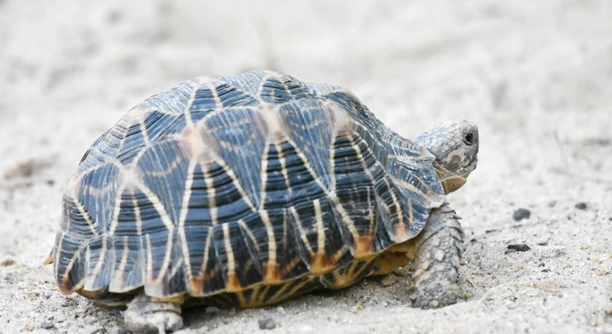
Turtles are fascinating creatures, but sometimes their behavior can leave you scratching your head. One common concern many turtle owners face is when their pet spits out food instead of eating it.
Turtles may spit out food for several reasons, including overfeeding, improper food size, or unappetizing food types. Stress, poor water quality, or health issues could also contribute to this behavior. Identifying the cause is crucial to addressing it.
There are a few things you can check to help your turtle enjoy its meals again. Understanding these reasons can lead to better care and help improve your turtle’s feeding habits.
Overfeeding Can Lead to Spitting Out Food
Turtles may refuse to eat or spit out food if they’re being overfed. When you give them too much food, they may feel overwhelmed and not interested in eating. It can also lead to digestive problems, making them avoid their meals altogether. If your turtle consistently spits out food, reducing the amount of food per meal might help. This can give them a chance to properly eat without feeling too full.
Overfeeding can also cause your turtle to become picky about what it wants to eat. If your turtle is used to larger portions, it might start rejecting smaller, more manageable portions. It’s important to monitor how much food you’re offering and stick to a consistent feeding schedule to avoid this.
A good practice is to feed your turtle only what it can finish in about 10 to 15 minutes. This helps to prevent excess food from sitting in the tank, which can lead to poor water quality and further issues with feeding.
Food Size and Type Matter
If the food is too big or not to their liking, they might not bother with it.
Some turtles may struggle to eat food that is too large for them to swallow comfortably. This can cause them to spit it out or simply ignore it. Make sure the food you offer is the right size for your turtle’s mouth and age. Some turtles have specific preferences for certain types of food, so it’s essential to offer a variety of options, such as pellets, leafy greens, or insects. If your turtle spits out food repeatedly, trying different types might help.
Another reason for spitting food out could be related to the freshness of the food. If the food is old or has been left in the tank too long, it may lose its appeal to your turtle. Try offering fresh food each time and removing any uneaten food promptly to keep the feeding environment clean and inviting.
Stress or Illness Could Be the Problem
Stress or illness can cause your turtle to stop eating or spit out its food.
When turtles are stressed, they may refuse to eat, especially if there are sudden changes in their environment, such as a new tank setup, excessive noise, or the presence of other animals. Illness can also make turtles feel unwell, leading them to lose interest in food. Symptoms of stress or illness include lethargy, swollen eyes, or changes in behavior.
To ensure your turtle is not stressed or ill, check for changes in its tank environment. Ensure the water temperature and quality are within the proper range, and make sure your turtle has a quiet, comfortable space to eat. If you suspect illness, it’s important to consult a veterinarian who specializes in reptiles to rule out any health problems.
Water Quality and Temperature Influence Eating Habits
Poor water quality and improper temperature can greatly affect your turtle’s appetite.
Turtles are sensitive to the cleanliness and temperature of their water. If the water is too cold or too dirty, your turtle may not feel comfortable enough to eat. Always maintain a clean tank with proper filtration and a consistent water temperature suited to your turtle’s species. The water should be warm enough to mimic the turtle’s natural habitat, which helps stimulate its appetite.
If your turtle is consistently spitting out food, it might be reacting to water that’s not ideal. Try checking the water temperature and adjusting it accordingly. Regular water changes will also help ensure that your turtle stays healthy and is more likely to eat regularly. Keeping the tank environment clean and comfortable for your turtle promotes a better feeding experience and overall well-being.
Feeding Schedule
A consistent feeding schedule helps your turtle understand when to expect food. If meals are irregular, your turtle might refuse to eat. Regular meal times make feeding less stressful for both of you.
Feeding your turtle at the same time every day builds a routine, helping them become more comfortable with eating. Inconsistent feeding times can confuse your turtle, making them lose interest in food. Over time, they might even start spitting it out because they aren’t used to the routine. Sticking to a schedule also makes it easier to monitor how much your turtle eats.
Try feeding your turtle once or twice a day, depending on its age and size. Offering food during the same times helps you create a routine and ensures your turtle receives the right amount of food. It also reduces the chances of your turtle rejecting meals due to unpredictable feeding habits.
Temperature of the Food
The temperature of your turtle’s food can impact its willingness to eat. Cold food may be unappealing, especially if it comes from the fridge.
If the food is too cold, your turtle might not want to eat it. Cold food can feel uncomfortable to them, which may lead to them spitting it out. Warm food, on the other hand, is more inviting and resembles the temperature of their natural habitat. For example, soaking pellets in warm water before feeding can make them more appealing. You can also offer small, fresh live foods that are at room temperature for your turtle.
When preparing your turtle’s meals, it’s important to consider both the food temperature and their comfort. Keep in mind that very hot food could be harmful, so always ensure it is slightly warmer than room temperature before serving. This simple change could encourage your turtle to eat more regularly.
Tank Environment
Your turtle’s tank environment plays a key role in its eating habits. A tank that’s too small or uncomfortable can make your turtle anxious, causing it to spit out food.
Ensure that your turtle has enough space to move around freely. A cramped tank can lead to stress, which often results in a refusal to eat. Also, having proper hiding spots in the tank can make your turtle feel safer, reducing anxiety. The right environment promotes a healthy appetite, making mealtime more inviting for your pet.
Hydration and Water Intake
Dehydration can affect your turtle’s overall health, including its eating habits.
Make sure your turtle has access to clean, fresh water at all times. Dehydration can lead to digestive issues, making your turtle feel unwell and lose interest in food. A consistent water supply helps keep your turtle hydrated and more likely to eat its meals. Always check the water quality and replace it as needed.
Inconsistent Food Types
If your turtle is served the same food repeatedly, it might lose interest and start spitting it out. A varied diet keeps your turtle engaged and nourished. Offering different types of food like vegetables, insects, or pellets can encourage your turtle to eat regularly. Rotate the food you provide to maintain their interest and provide balanced nutrition.
FAQ
Why is my turtle spitting out its food?
There are several reasons why your turtle might spit out food. It could be related to overfeeding, improper food size, or stress. If the food is too large or unappetizing, your turtle might not be interested in eating it. Stress from a new environment or changes in the tank setup can also make your turtle uncomfortable, affecting its appetite. Lastly, health issues, such as digestive problems or illness, can lead to a lack of interest in food.
How do I know if I’m overfeeding my turtle?
Overfeeding can lead to your turtle rejecting food. If you’re offering too much, your turtle may not finish its meal, and it might start spitting out the food. A good rule of thumb is to give your turtle only what it can eat in 10 to 15 minutes. If there’s food left over, you may be offering too much. You should also monitor your turtle’s weight to ensure it’s not gaining too much or too little, as overfeeding can lead to obesity and other health problems.
Can stress cause my turtle to spit out food?
Yes, stress can cause a turtle to stop eating or spit out food. Turtles are sensitive creatures, and changes in their environment, such as new tank mates, sudden temperature shifts, or unfamiliar surroundings, can stress them out. Stress can lead to a lack of appetite, which may result in spitting out food. To reduce stress, ensure your turtle’s tank is quiet, comfortable, and free from sudden disturbances.
How can I help my turtle eat regularly?
Helping your turtle eat regularly starts with offering the right amount of food and maintaining a consistent feeding schedule. Ensure that the food is fresh, appropriately sized, and at the right temperature. Also, check your turtle’s tank environment. A clean tank with the correct water temperature and good filtration is essential. If you’re concerned about your turtle’s eating habits, consider offering a variety of foods to keep things interesting. If the problem persists, a vet checkup might be necessary.
What types of food should I feed my turtle?
Turtles are omnivores, meaning they eat both plants and animals. A balanced diet for your turtle should include a mix of high-quality pellets, leafy greens like lettuce and kale, and protein sources such as crickets, worms, or fish. Different species of turtles have different dietary needs, so make sure to research the specific needs of your pet. Some turtles may also enjoy fruits like strawberries, bananas, or apples, but these should be given in moderation.
Can I feed my turtle frozen food?
Yes, you can feed your turtle frozen food. Many turtles enjoy frozen foods like shrimp or fish, which can be thawed before feeding. However, frozen food should not be the sole diet of your turtle. It’s important to provide a variety of fresh and properly prepared foods. Always make sure the frozen food is thawed thoroughly to avoid feeding your turtle anything too cold, which could discourage eating.
Should I be concerned if my turtle isn’t eating?
If your turtle isn’t eating for more than a day or two, it could be a sign of stress or an underlying health issue. If this continues, it’s a good idea to examine their environment and feeding habits closely. If there are no visible changes, consider contacting a veterinarian who specializes in reptiles. Turtles can go for a while without eating, but prolonged lack of appetite could be a serious problem.
What should I do if my turtle is only eating certain foods?
If your turtle is becoming picky, try offering a variety of food options. Turtles can be selective, especially if they are used to a certain type of food. Introducing new foods gradually may help them accept a more balanced diet. Also, check that the food is fresh and at an appropriate temperature. If your turtle continues to refuse food, it could be related to a health issue or environmental stress, so make sure to check these factors as well.
Can poor water quality affect my turtle’s eating habits?
Poor water quality can definitely affect your turtle’s eating habits. If the water is dirty or improperly maintained, your turtle may not feel comfortable enough to eat. Poor water quality can cause stress and even lead to health issues, such as skin or shell problems, which could make your turtle refuse food. Regular water changes, a good filtration system, and maintaining the proper water temperature are crucial to ensuring your turtle remains healthy and has a good appetite.
How often should I feed my turtle?
The frequency of feeding depends on your turtle’s age and species. Younger turtles tend to eat more frequently than older ones. Generally, juvenile turtles should be fed once a day, while adult turtles can be fed every other day. You should feed your turtle in the morning or early afternoon, and make sure to provide only the amount of food they can finish in 10 to 15 minutes. Regular feeding schedules help keep your turtle’s eating habits healthy and predictable.
Can I feed my turtle vegetables only?
Turtles are omnivores, so feeding them vegetables only isn’t ideal. While vegetables like leafy greens are important for their diet, they also need protein sources to stay healthy. A diet consisting solely of vegetables could lead to nutritional imbalances. Be sure to include a variety of foods, such as pellets, insects, and the occasional fruit, to meet all of your turtle’s dietary needs.
Final Thoughts
Understanding why your turtle spits out food can help you improve its eating habits and overall well-being. Many factors can contribute to this behavior, such as overfeeding, stress, or poor water quality. By observing your turtle closely and making a few adjustments, you can address the issue and ensure your pet gets the nutrition it needs. A balanced diet, proper feeding schedule, and clean tank environment are all key elements in maintaining a healthy and happy turtle.
If your turtle continues to refuse food or spits it out regularly, consider adjusting the food type or size. Offering a variety of fresh foods can keep your turtle engaged and more likely to eat. Also, ensure the food is at the right temperature and that your turtle’s tank is set up to minimize stress. A peaceful environment can make a significant difference in your turtle’s appetite. Sometimes, a simple change in the tank setup or feeding routine can encourage your turtle to eat more willingly.
Remember, every turtle is different, and what works for one might not work for another. If your turtle’s eating habits don’t improve after making changes, or if you notice other signs of illness, it’s always a good idea to consult a reptile veterinarian. With the right care, you can help your turtle thrive and enjoy its meals again. Keep monitoring its behavior, adjust when needed, and your turtle should be back to eating normally in no time.

Hello,
If you enjoy the content that we create, please consider saying a "Thank You!" by leaving a tip.
Every little bit helps us continue crafting quality advice that supports the health, happiness, and well-being of pets around the world, for pets of all shapes, sizes, and species.
We really appreciate the kindness and support that you show us!