
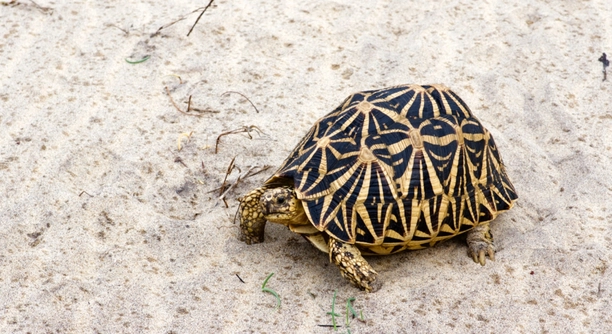
Are your turtle’s sudden aggressive behaviors leaving you confused or concerned? Understanding why turtles act this way is essential for maintaining a safe and peaceful environment for both you and your pet.
Turtles can become aggressive due to stress, territorial instincts, or environmental changes. Providing a calm habitat, handling them properly, and recognizing their triggers can help reduce aggressive behavior and ensure a healthier relationship between you and your turtle.
Learning how to manage aggression is crucial for your turtle’s well-being. These practical strategies will help you understand their behavior and create a more comfortable environment.
Understand Why Turtles Become Aggressive
Turtles may show aggression for various reasons, including stress, territorial behavior, or feeling threatened. Changes in their environment, improper handling, or competition for resources can also trigger aggression. Recognizing these causes is key to managing their behavior effectively and ensuring a peaceful habitat.
When turtles feel their space is invaded, they may react by biting or hissing. This behavior is more common in male turtles during mating seasons or when sharing a tank. Observing their habits helps identify patterns and prevent aggressive outbursts.
To reduce aggression, start by providing a comfortable habitat with enough space. Ensure they have hiding spots and a consistent routine. Avoid sudden changes in their environment. Always handle them gently and limit interactions if they show signs of distress. By understanding their triggers and respecting their space, you can help your turtle feel safer and more relaxed.
Provide a Proper Habitat
A turtle’s habitat greatly affects its mood and behavior. An unsuitable environment can lead to stress and increased aggression.
Ensure the enclosure is spacious enough for your turtle to move comfortably. Aquatic turtles need a large tank with clean water, while land turtles need a dry, well-ventilated space. Both require hiding spots to feel secure. Temperature regulation is also important. Provide a basking area with heat lamps to maintain warmth and UVB lighting to support shell health.
Overcrowding can increase aggression. If you keep multiple turtles, ensure there is enough room for each one to have its own space. Monitor their interactions and separate turtles if aggressive behavior continues.
A well-maintained habitat reduces stress and helps your turtle feel safe. Consistency in temperature, cleanliness, and lighting plays a major role in keeping their environment calm and preventing aggressive outbursts.
Handle Your Turtle Gently
Rough handling can make a turtle feel unsafe and lead to aggressive behavior. Always approach your turtle calmly and avoid sudden movements. Supporting their body properly while lifting them helps them feel secure and reduces stress.
When picking up a turtle, hold them with both hands—one supporting the bottom shell and the other on the sides. Avoid grabbing them from above, as this can make them feel threatened. If your turtle becomes agitated, give them time to calm down before attempting to handle them again. Consistency in gentle handling builds trust over time.
Limit handling if your turtle shows signs of stress, like retracting into their shell or hissing. Give them space when needed and avoid forcing interaction. By handling your turtle with care, you create a safer environment and reduce the likelihood of aggressive reactions.
Recognize Stress Signals
Turtles show stress through specific behaviors, including hissing, biting, or withdrawing into their shell. Recognizing these signals early helps prevent aggressive outbursts. Pay attention to sudden changes in their behavior or feeding patterns, as these can indicate discomfort.
Other stress signals include pacing the enclosure, excessive digging, or attempting to escape. Environmental factors like loud noises, poor water quality, or temperature fluctuations can increase stress. Consistent observation allows you to identify these signs and make adjustments to their habitat. Providing a calm, predictable environment helps ease their anxiety.
If your turtle remains stressed despite changes, consider consulting a veterinarian. Health issues can also cause behavioral changes. Regular check-ups ensure your turtle stays healthy and comfortable. Recognizing and addressing stress signals promptly helps you maintain a peaceful and safe environment for your turtle.
Avoid Overcrowding
Keeping multiple turtles in a small space can lead to aggressive behavior. Each turtle needs enough room to swim, bask, and hide comfortably. Overcrowding causes stress and increases competition for resources, making turtles more likely to act out.
If you have more than one turtle, ensure the enclosure is large enough for each to have its own area. Providing separate basking spots and hiding spaces helps reduce tension. If aggression continues, consider separating the turtles to maintain peace.
Monitor Feeding Times
Turtles can become aggressive when competing for food. Feeding them separately or providing multiple feeding areas reduces tension. Ensure each turtle receives enough food to prevent fights and maintain their health.
Stick to a regular feeding schedule to keep turtles calm. Offering a balanced diet with proper portions helps satisfy their hunger and lowers the risk of aggressive behavior during feeding times.
Limit Handling When Necessary
If your turtle shows signs of stress or aggression, reduce handling to give them space. Forcing interaction can worsen their behavior and increase anxiety.
Observe their mood before handling and only interact when they seem calm. Respecting their boundaries helps create a safer, more comfortable environment.
FAQ
Why is my turtle being aggressive?
Turtles can show aggression for several reasons. They may be feeling stressed, threatened, or territorial. Environmental changes like poor water quality, loud noises, or an overcrowded tank can also trigger aggressive behavior. Sometimes, aggression is linked to mating behaviors, especially in males during breeding seasons. It’s important to observe your turtle’s behavior closely and make necessary adjustments to their environment to reduce stress and prevent further aggression.
What should I do if my turtle bites me?
If your turtle bites you, remain calm and avoid pulling away quickly, as this can cause injury to both you and the turtle. Gently but firmly remove your hand from their mouth. Ensure your turtle’s environment is set up correctly to prevent aggression. You can also try using a towel to safely remove them from your hands to avoid further bites. If biting becomes a regular issue, consider reducing handling and making environmental adjustments.
How can I calm my aggressive turtle?
To calm an aggressive turtle, start by ensuring their environment is calm and secure. Provide enough space, hiding spots, and proper lighting. Limit handling and interactions if they seem stressed. Gradually, with patience and consistent care, they should begin to relax. You can also try playing soft, calming music in their environment to help reduce stress.
Is my turtle just being territorial?
Yes, turtles can be territorial, especially males during mating season. They may display aggression to protect their space or resources. This can be observed if they act aggressively towards other turtles or humans when their space is invaded. Giving each turtle enough room, along with hiding spots and separate feeding areas, can reduce territorial aggression.
How often should I handle my turtle?
You should limit handling your turtle to avoid stressing them out. It’s best to handle them no more than a couple of times a week, unless they seem to enjoy it or need medical care. Always handle them gently, giving them time to adjust to your presence without overwhelming them.
What can I do if my turtle seems stressed?
If your turtle seems stressed, first check their habitat. Ensure the water temperature, lighting, and overall tank environment are correct. Keep the tank clean and provide hiding spots for them to retreat to when feeling threatened. Limit interactions and avoid loud noises or sudden changes. If stress continues, it may be helpful to consult a vet for additional advice.
Can I put multiple turtles together?
Yes, you can keep multiple turtles together, but only if the tank is large enough to accommodate each one with enough space to move freely. Overcrowding can lead to increased competition, stress, and aggression. Make sure there are separate basking spots and hiding places to avoid conflicts.
How can I tell if my turtle is sick and being aggressive because of it?
If your turtle is sick, you may notice a decrease in appetite, lethargy, or unusual behavior, such as aggression. Sick turtles may become more irritable or aggressive due to discomfort. If you suspect illness, it’s important to consult a vet to ensure proper care and treatment.
What should I do if my turtle is not eating?
If your turtle refuses to eat, first check the temperature and water conditions. Stress, improper tank conditions, or changes in their environment can affect their appetite. Offer a variety of foods and ensure they are getting a balanced diet. If this persists for more than a few days, it’s best to seek veterinary advice.
Can I train my turtle to stop being aggressive?
Training a turtle to stop being aggressive requires patience. You can reduce aggression by providing a stable, stress-free environment, limiting handling, and observing their behavior. Turtles are not as trainable as some other pets, but with consistent care, you can reduce the chances of aggression through positive reinforcement and environmental changes.
Final Thoughts
Dealing with an aggressive turtle can be frustrating, but understanding the reasons behind the behavior is the first step in addressing it. Turtles are sensitive creatures, and their aggression is often linked to stress, territoriality, or environmental factors. By paying close attention to their needs and making adjustments to their habitat, you can help create a more peaceful environment. Proper care, including space, proper temperature, and hiding spots, plays a major role in preventing aggression.
It’s important to remember that turtles are not naturally aggressive animals. When they do display aggressive behavior, it’s usually a sign that something in their environment or routine is off. This could range from being overcrowded, to improperly handled, or simply feeling stressed. By observing your turtle and learning their patterns, you can better understand their needs and create an environment where they feel safe and secure. Providing your turtle with plenty of space, a clean environment, and the right type of care can go a long way in reducing unwanted aggression.
Patience is key when working with an aggressive turtle. If their behavior doesn’t improve immediately, don’t get discouraged. It may take time for your turtle to adjust to changes in their environment. In some cases, seeking advice from a veterinarian may also be helpful to rule out any underlying health issues. By following the right steps and being attentive to your turtle’s needs, you can foster a healthier relationship with your pet and reduce aggressive behavior.

Hello,
If you enjoy the content that we create, please consider saying a "Thank You!" by leaving a tip.
Every little bit helps us continue crafting quality advice that supports the health, happiness, and well-being of pets around the world, for pets of all shapes, sizes, and species.
We really appreciate the kindness and support that you show us!