
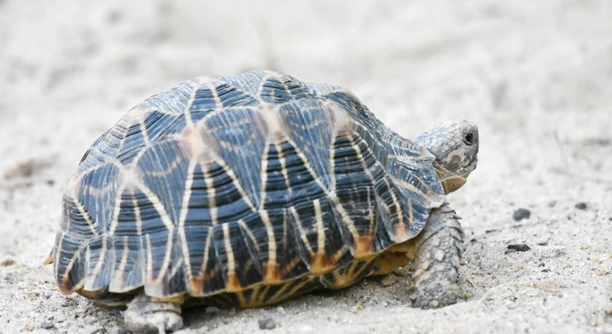
Turtles are fascinating pets, and watching them grow is part of the joy of caring for them. But sometimes, it can feel like they’re not growing as expected. Understanding the reasons behind this can help you ensure they thrive.
The most common reason a turtle may not be growing is improper care, such as poor diet, insufficient light, or unsuitable habitat conditions. Stress and health issues can also contribute to slow or stunted growth in turtles.
With the right adjustments in diet, habitat, and care, your turtle’s growth can get back on track. Let’s explore the factors that might be affecting your turtle’s development.
Diet and Nutrition
A well-balanced diet is essential for a turtle’s growth. They need a variety of foods to ensure they get all the nutrients required for healthy development. Different species of turtles may have slightly different needs, but all require a mix of protein, vegetables, and some fruits. Common foods for turtles include leafy greens, aquatic plants, worms, and small fish. Avoid feeding them only one type of food, as this can lead to deficiencies.
Feeding your turtle too much of the wrong food can also prevent growth. Overfeeding with high-fat or low-nutrient foods like commercial pellets can lead to obesity and stunted growth. Pay attention to portion sizes to prevent any excess weight gain.
Proper nutrition is not only about feeding the right foods but also ensuring your turtle gets the proper vitamins and minerals. Calcium, in particular, is vital for healthy shell growth. Providing your turtle with a calcium supplement or feeding calcium-rich foods like cuttlebone can help prevent shell deformities and encourage growth.
Habitat and Temperature
Your turtle’s environment plays a major role in its growth. Turtles are cold-blooded, so they rely on external temperatures to regulate their body heat. Without proper warmth, their metabolism slows down, and growth can be hindered. Turtles need a heat source, like a basking lamp, to create a warm area in their habitat.
The basking area should be around 85-90°F, while the water temperature should be between 75-80°F, depending on the species. If the water is too cold, your turtle may not be able to digest food properly, which can affect growth. Ensure the water is also clean and filtered to maintain a healthy environment. A dirty habitat can stress your turtle, which impacts its growth as well.
Proper lighting is also essential. UVB lighting helps turtles absorb calcium and promotes healthy shell and bone growth. Without proper UVB exposure, turtles can suffer from metabolic bone disease, which leads to stunted growth. Make sure your turtle’s habitat has both UVB and UVA light sources to mimic natural sunlight, ensuring they get all the necessary benefits.
Health and Stress
Turtles can face several health challenges that may affect their growth. Parasites, infections, and other health problems can slow their development. Regular checkups with a veterinarian who specializes in reptiles are important to ensure your turtle remains healthy and is growing properly. Even small issues can go unnoticed and cause significant setbacks in growth if left untreated.
Stress is another factor that may hinder growth. Changes in the environment, handling, or overcrowding can all stress out your turtle. Stress weakens the immune system, making it harder for the turtle to grow and thrive. Try to avoid unnecessary handling and ensure your turtle’s habitat provides enough space for them to move around comfortably.
Turtles also need mental stimulation. Having a variety of objects to explore, like hiding places or different textures in their enclosure, can help prevent boredom. A bored turtle may become stressed or inactive, both of which can affect growth. Make sure their environment is enriching and provides both physical and mental space for them to flourish.
Light and UVB Exposure
UVB lighting is crucial for your turtle’s growth. Without it, they can develop serious health issues, such as metabolic bone disease, which can stunt growth and cause shell deformities. Ensure your turtle gets 10-12 hours of light each day from a reliable UVB bulb.
Turtles need both UVB and UVA lighting to stay healthy. UVB light allows them to synthesize vitamin D3, which is essential for calcium absorption. If they don’t get enough UVB exposure, their bones and shells can become soft or deformed. A UVB light should be replaced every 6 to 12 months, even if it still appears to be working.
In addition to UVB lighting, your turtle also requires a basking area where they can dry off and warm up. This helps them digest food properly and absorb the nutrients they need for healthy growth. A temperature range of 85-90°F for the basking area is ideal for most turtles.
Overcrowding
Overcrowding in a turtle’s habitat can be harmful to their growth. When turtles are kept in too small of an enclosure or with too many other turtles, they can become stressed. This stress affects their immune system and can slow their development.
A turtle needs enough space to move freely, swim, and bask. If multiple turtles are kept together, the space should be large enough to avoid competition for food, basking spots, and territory. Too many turtles in one tank can lead to fights and stress, which directly impacts their growth and health.
To avoid overcrowding, ensure that your turtle has enough room to feel safe and comfortable. A good rule of thumb is to provide 10 gallons of water per inch of turtle shell length. By giving them adequate space, you allow your turtle to grow at its best pace.
Genetics
Genetics plays a significant role in your turtle’s growth rate. Some species naturally grow faster or larger than others. For example, a box turtle may grow more slowly compared to an aquatic species like a red-eared slider.
It’s important to know the specific needs of the breed you have. Some turtles are genetically predisposed to grow at a slower pace, and there’s little that can be done to speed up this process. Understanding your turtle’s breed and its growth expectations can help set realistic goals for its development.
Feeding Schedule
Establishing a consistent feeding schedule is essential for promoting healthy growth. Overfeeding or underfeeding can lead to poor growth rates or health problems. Aim to feed your turtle the right amount of food based on its age and size.
Young turtles tend to need more frequent meals, about 3 to 4 times a week. As they grow, you can reduce their feeding to 2-3 times a week. It’s important to provide fresh food every time, as spoiled or uneaten food can lead to health issues.
Water Quality
Maintaining clean water is essential for your turtle’s overall health and growth. Dirty water can lead to infections, parasites, and other issues that can slow growth or even lead to health complications.
Turtles are sensitive to water conditions. Invest in a good filtration system to keep the water clean and change it regularly to avoid any harmful build-up. It’s also important to monitor the water’s temperature and pH levels to ensure they’re within a range that supports your turtle’s needs.
FAQ
Why isn’t my turtle growing despite having a proper diet?
Even with a good diet, a turtle may not grow due to factors such as poor water conditions, lack of UVB light, or genetics. Make sure your turtle’s habitat meets all its needs, including proper lighting, temperature, and space. Genetics can also play a big role, as some turtles naturally grow slower than others. If you’ve already optimized their environment, but growth seems slow, it’s worth checking for any signs of illness or seeking advice from a vet.
How often should I feed my turtle for optimal growth?
Feeding frequency depends on the age and size of your turtle. Young turtles usually need more frequent feedings, about 3 to 4 times a week. As they mature, you can reduce feeding to 2 or 3 times a week. It’s important to monitor portion sizes to avoid overfeeding, which can lead to obesity and hinder growth. Always provide a mix of protein and vegetables, and make sure food is fresh.
Can I increase my turtle’s growth rate?
There is no guaranteed way to speed up a turtle’s growth. Growth is influenced by factors like diet, lighting, temperature, and genetics. You can ensure your turtle’s environment is optimal by providing a proper diet, a clean and well-maintained habitat, and UVB lighting. However, pushing for faster growth may lead to health problems, so it’s best to let your turtle grow naturally at its own pace.
How do I know if my turtle is sick and that’s affecting its growth?
If your turtle is sick, you may notice a loss of appetite, lethargy, swollen eyes, or abnormal shell conditions. Infected or improperly cared for turtles may experience slowed growth or stunted shell development. Any changes in behavior or appearance should prompt a visit to the vet. Regular checkups can help identify health problems early and prevent growth issues.
Can I keep multiple turtles in the same tank without affecting their growth?
While turtles can coexist in the same tank, overcrowding can stress them out and affect their growth. Make sure the tank is large enough for each turtle to have its own space for swimming and basking. Overcrowding can lead to territorial disputes, making it harder for turtles to eat or rest properly. A larger tank helps reduce stress and supports their overall health and growth.
What temperature should I keep my turtle’s tank at for optimal growth?
The water temperature should be between 75°F and 80°F, depending on the species of turtle. The basking area should be around 85°F to 90°F. These temperature ranges help regulate your turtle’s metabolism, digestion, and overall health. If the temperature is too cold, your turtle may become sluggish, and growth could be delayed. Regularly monitor the tank temperature using a reliable thermometer.
Can poor water quality stunt my turtle’s growth?
Yes, poor water quality can definitely stunt your turtle’s growth. Turtles require clean, filtered water to thrive. Dirty water can lead to infections and parasites, both of which can harm your turtle and affect its growth rate. It’s crucial to change the water regularly and invest in a good filtration system to maintain optimal water conditions. Also, monitor the water’s pH levels to make sure they’re within the recommended range for your specific species.
Should I be worried if my turtle isn’t growing as fast as I expected?
If your turtle is eating well and seems healthy, but growth appears slower than expected, don’t panic. Some species naturally grow more slowly than others, and genetics play a large part. However, it’s still important to ensure that all environmental factors are optimized. If you have concerns, a visit to a reptile vet could help rule out any underlying health problems.
Can stress affect my turtle’s growth?
Yes, stress can negatively affect your turtle’s health and growth. Factors like overcrowding, sudden environmental changes, or excessive handling can cause stress. When turtles are stressed, their immune system weakens, which can slow down growth. It’s important to provide a stable, peaceful environment and avoid unnecessary disturbances to help your turtle grow and thrive.
Do I need to give my turtle supplements for growth?
While a well-balanced diet usually provides all the nutrients your turtle needs, some species might benefit from additional supplements. Calcium supplements are especially important for growing turtles, as they help maintain strong bones and shells. Cuttlebone is a good natural source of calcium for many species. If you’re unsure about whether your turtle needs supplements, consult a vet for advice.
Final Thoughts
Turtles can be fascinating and rewarding pets, but understanding their growth process is key to ensuring they thrive. When your turtle isn’t growing as expected, it’s usually due to factors like diet, habitat conditions, or health issues. Providing a proper environment with the right temperature, lighting, and space can make a big difference in how well your turtle develops. By paying attention to the details, like UVB exposure and clean water, you can create a habitat that supports healthy growth.
While turtles may grow at different rates depending on their species and genetics, it’s important to be patient. Some turtles naturally grow slower than others, and trying to rush the process can lead to health problems. Instead, focus on offering a balanced diet, maintaining optimal water quality, and creating a stress-free environment. Overfeeding, poor lighting, or improper temperature can all lead to stunted growth, so it’s essential to avoid these mistakes. Regularly monitoring your turtle’s well-being and adjusting its care routine as needed will help promote steady growth.
If you’re concerned about your turtle’s growth, don’t hesitate to seek advice from a vet who specializes in reptiles. They can help you identify any health issues and ensure your turtle is getting the right care. Understanding your turtle’s specific needs and paying attention to its behavior can also provide valuable clues. Remember, every turtle is unique, and providing the best care possible will help ensure they grow healthy and strong.

Hello,
If you enjoy the content that we create, please consider saying a "Thank You!" by leaving a tip.
Every little bit helps us continue crafting quality advice that supports the health, happiness, and well-being of pets around the world, for pets of all shapes, sizes, and species.
We really appreciate the kindness and support that you show us!