
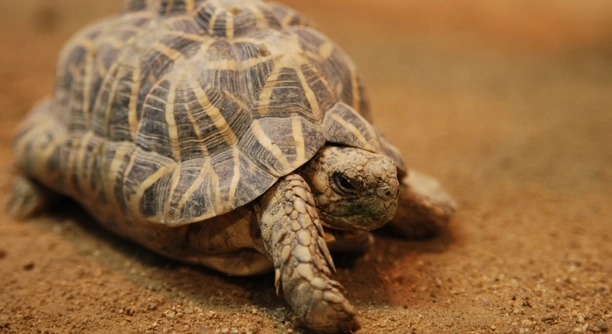
Do you notice your turtle scraping its chin on rocks often? Many pet owners find their turtles engaging in this behavior, but it’s important to understand the reasons behind it. The behavior might be related to various factors that are natural to your turtle’s health and environment.
The main reason your turtle is scraping its chin on rocks is often due to its natural instinct to shed its skin or remove debris. This action helps keep its shell and skin clean, and also aids in maintaining proper hygiene.
Understanding the cause behind this action can help ensure your turtle stays healthy. Continue reading to explore possible reasons for this behavior and how you can support your pet’s well-being.
Why Do Turtles Scrape Their Chin?
Turtles often scrape their chin against rocks for several reasons. One reason could be shedding their skin. Like many reptiles, turtles shed their skin as they grow, and scraping against rocks helps them remove old skin and keep their body clean. Another reason might be the desire to clear debris off their chin, as turtles sometimes pick up bits of algae or other materials that irritate them. Scraping helps them clean their faces. Additionally, this behavior is also a part of their natural grooming routine. While it may seem odd, it’s actually a good sign that your turtle is actively maintaining its health.
While scraping on rocks is natural, it can also indicate that the turtle is feeling irritated by something in its environment, such as tank conditions or water quality. If it happens too often, it’s worth investigating the environment further.
It’s also possible that your turtle is scraping as part of an instinctual response to stress or a discomforting environment. If your tank is not clean, or if the water temperature is off, the turtle may scrape its chin more frequently.
Should You Be Concerned?
If you see your turtle scraping its chin every now and then, it’s not usually a cause for concern. However, if the behavior becomes excessive or your turtle seems stressed, it might be time to check the tank. Turtles need a comfortable environment to thrive. Make sure their habitat is clean, the water is filtered, and the temperature is within the ideal range. A balanced and clean environment ensures your turtle is as healthy as possible.
Scraping might also be a sign of something more serious, like a skin infection. If your turtle’s skin looks irritated or swollen, consider taking it to a vet. An infection could cause constant scratching and discomfort. Additionally, improper humidity or diet can also cause your turtle to feel unwell and scrape its chin frequently. Keep an eye on your turtle’s behavior and skin condition, and address any changes right away.
Tank Conditions and Its Impact
A clean and properly maintained tank can make a big difference in your turtle’s behavior. Poor water quality or improper tank conditions can lead to stress, which may cause your turtle to scrape its chin. Regularly changing the water, ensuring proper filtration, and monitoring the temperature can help prevent unnecessary behavior.
Turtles are very sensitive to the conditions in their tank. Water quality directly affects their health and behavior. Make sure the water is filtered to remove debris and harmful chemicals. Also, keep the water temperature between 75°F and 80°F, as turtles are cold-blooded creatures that depend on external heat sources to regulate body temperature. If the water is too cold or warm, it could make your turtle uncomfortable, leading to more scraping.
In addition to the water, make sure the tank has appropriate hiding spots and basking areas. Turtles need space to rest and feel secure. A lack of hiding places can make them feel vulnerable, which could also result in scraping behaviors. Setting up a well-maintained tank ensures your turtle’s comfort and reduces the likelihood of stress-related actions.
Skin Health and Care
Your turtle’s skin health can affect how often it scrapes its chin. If your turtle is shedding or has accumulated skin buildup, it may scratch against rocks to remove old layers. Regularly check for any signs of irritation or infection.
A turtle’s skin naturally sheds in layers, especially in warmer months. If there’s excess shedding or your turtle is having trouble removing skin, the behavior of scraping becomes more noticeable. This is not uncommon and usually self-corrects as long as the turtle has enough space and resources to clean itself. However, if you notice your turtle’s skin becoming red, irritated, or infected, a visit to the vet may be necessary.
Proper hydration and a balanced diet also play a role in skin health. Make sure your turtle is getting enough water and nutrients to support healthy skin and overall well-being. Offering a variety of foods, such as leafy greens, protein sources, and commercial turtle food, can help prevent skin problems.
Excessive Scraping and Stress
Excessive scraping can sometimes be a sign of stress. If your turtle feels overwhelmed by its environment, it may start scraping its chin more often. Factors like noise, other animals, or frequent handling can contribute to this behavior.
Stress can also be caused by changes in the turtle’s environment. Any shift, such as moving to a new tank or introducing new tank mates, might make your turtle feel uneasy. If you notice the behavior increasing, try to reduce potential stressors, offering a calm, quiet space.
Overfeeding and Discomfort
Overfeeding your turtle could contribute to scraping behavior as well. If your turtle is consistently full or uncomfortable from eating too much, it might scrape its chin to help alleviate discomfort. Overfeeding can also lead to shell problems or difficulty shedding.
Turtles need a balanced diet with the right amount of food based on their age, size, and activity level. Ensure you are not overfeeding and providing appropriate portions. This can prevent discomfort and help reduce excessive scraping or any other abnormal behavior caused by overeating.
Shell Maintenance
Your turtle’s shell could be another reason for scraping. Shell issues, such as growth problems or bacterial infections, may lead to more frequent scratching. Ensure the shell is healthy by maintaining proper water quality and cleanliness.
If your turtle’s shell looks damaged, scaly, or discolored, take it to a vet. Regular cleaning and monitoring of the shell’s health help keep your turtle comfortable. This also prevents any skin irritation caused by shell-related issues.
FAQ
Why is my turtle constantly rubbing its chin on rocks?
If your turtle is constantly rubbing its chin on rocks, it could be due to natural shedding behavior. Turtles shed their skin and scutes (the outer layer of their shell), and rubbing against rocks helps them remove old skin or debris. This behavior is completely normal and part of their grooming process. However, if the behavior seems excessive or your turtle is showing signs of skin irritation, it could be a sign of stress or an underlying health issue, so it’s worth monitoring.
How can I tell if my turtle is stressed?
Turtles can show stress in various ways. Aside from excessive scraping, they may become more reclusive, refuse to eat, or exhibit aggressive behavior toward other tank mates. Stress can result from changes in the environment, like a tank move, new tank mates, improper water temperature, or poor water quality. If you notice any of these behaviors, it’s essential to assess the turtle’s habitat and make necessary adjustments to minimize stress.
Can poor water quality cause my turtle to scrape its chin?
Yes, poor water quality can lead to scraping behavior. Dirty water can irritate your turtle’s skin, prompting it to scrape against surfaces like rocks in an attempt to clean itself. Water that’s not filtered properly can also lead to bacterial infections or fungal growth on your turtle’s skin, which may cause itching or discomfort. Regularly changing the water, cleaning the tank, and maintaining proper filtration are key to keeping your turtle healthy.
Should I be concerned if my turtle is scraping only a small part of its chin?
If your turtle is scraping only a small part of its chin, it’s generally not something to worry about. It could be related to a specific piece of skin that is shedding or debris that’s gotten caught. However, if the scraping continues over a prolonged period or if the skin looks damaged, it may be worth investigating further to ensure there’s no underlying health issue.
How do I prevent my turtle from scraping its chin too much?
To prevent excessive chin scraping, focus on maintaining a clean and comfortable tank environment. Ensure the water temperature is within the proper range (75°F to 80°F), and the water is filtered and free from debris. Providing enough hiding spots and basking areas will also help reduce stress. If your turtle is rubbing due to skin irritation, make sure the tank setup is not causing discomfort, and ensure the turtle is getting proper nutrition.
Is it normal for my turtle to rub its chin on rocks even if the tank is clean?
Yes, it’s normal for turtles to rub their chin on rocks even if the tank is clean. It is part of their natural grooming process, especially when they are shedding or removing debris. As long as the behavior isn’t excessive and your turtle’s skin appears healthy, there’s usually no need for concern. However, if you notice any changes in behavior or skin condition, it’s always a good idea to check the tank conditions or consult a vet.
Can I use any kind of rock in my turtle’s tank?
Not all rocks are safe for turtles. Avoid sharp or abrasive rocks that could cause injury to your turtle’s chin or skin. Opt for smooth, non-toxic rocks that are safe for aquatic environments. Rocks can provide your turtle with a natural environment to scrape or rub its chin on, but it’s important that they don’t pose any risk of injury. Ensure that any rocks you use are well-washed and free of any harmful chemicals or residues.
How often should I clean my turtle’s tank to prevent scraping behavior?
A regular cleaning schedule is essential to keep your turtle’s tank in good condition and prevent skin irritation. Clean the tank once a week by changing the water and removing any debris. Filter the water to maintain cleanliness and adjust the water’s temperature as needed. A clean tank reduces the risk of stress and minimizes the chances of your turtle developing unhealthy behaviors, such as excessive chin scraping.
Does my turtle need special care if it’s scraping its chin too often?
If your turtle is scraping its chin more frequently than usual, it could be a sign of stress or discomfort. Start by checking the tank conditions, including water quality, temperature, and cleanliness. Also, ensure that your turtle’s diet is balanced and appropriate for its species and age. If the scraping persists, or if the turtle shows signs of irritation, such as red or swollen skin, consider visiting a vet for a thorough check-up.
What should I do if my turtle’s skin looks irritated after scraping?
If your turtle’s skin looks irritated after scraping, it’s important to address the issue quickly. First, check the water quality and tank conditions, as poor water quality can lead to skin infections. If the skin appears swollen, discolored, or damaged, consider consulting a vet. A veterinarian can help identify any infections or health concerns and provide treatment to promote healing. Meanwhile, make sure your turtle has a clean environment to prevent further irritation.
Can I stop my turtle from scraping altogether?
While you may not be able to stop your turtle from scraping altogether, you can reduce the frequency of it by maintaining a clean and comfortable tank. Regularly cleaning the tank, adjusting the water temperature, and offering a varied diet can help reduce unnecessary scraping. If the behavior is related to stress or discomfort, addressing the root cause should help minimize the action. However, occasional chin scraping as part of grooming is perfectly natural.
Final Thoughts
Understanding why your turtle scrapes its chin on rocks is important for ensuring its overall health and well-being. While this behavior is often natural, it’s crucial to pay attention to how frequently it occurs and whether any other signs of stress or discomfort appear. Scraping can be a sign that your turtle is shedding skin or trying to clean itself, which is normal. However, if the behavior becomes excessive, it could indicate an underlying issue that needs to be addressed, such as poor water quality or a health problem.
Taking care of your turtle’s environment plays a significant role in preventing unnecessary scraping. Regularly cleaning the tank, maintaining the right water temperature, and ensuring that the water is filtered properly are all essential steps to create a comfortable habitat for your pet. By doing this, you reduce the chances of your turtle becoming stressed or irritated, which could lead to more frequent chin scraping. Additionally, providing enough space, basking spots, and hiding places can help your turtle feel secure and calm.
If you notice any signs of irritation or if the scraping becomes too persistent, it’s best to consult a veterinarian. Skin infections, shell issues, or dietary problems can cause discomfort, leading your turtle to scrape more often. Keeping track of your turtle’s behavior and skin condition is vital in preventing serious health concerns. By addressing any potential issues early on, you can ensure that your turtle remains healthy and happy, reducing the chances of excessive scraping in the future.

Hello,
If you enjoy the content that we create, please consider saying a "Thank You!" by leaving a tip.
Every little bit helps us continue crafting quality advice that supports the health, happiness, and well-being of pets around the world, for pets of all shapes, sizes, and species.
We really appreciate the kindness and support that you show us!