
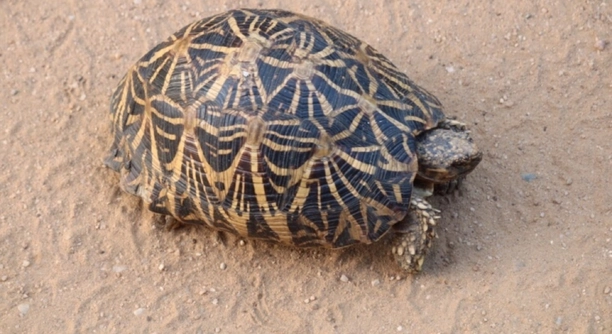
Having a turtle tank is a fun way to watch your pet thrive, but choosing the right plants is important. The right aquarium plants help create a comfortable and healthy environment for your turtle.
The best aquarium plants for turtle tanks are those that can withstand the turtle’s activities and contribute to water quality. Hardy plants like anubias, java fern, and water lettuce are ideal choices for their resilience and low maintenance.
Choosing the right plants can help ensure a balanced ecosystem in your turtle tank. Let’s explore some of the best options to create the perfect environment for your pet.
Anubias: A Strong Choice for Your Turtle Tank
Anubias plants are one of the best options for turtle tanks because of their sturdy nature. They have broad, tough leaves that turtles generally avoid eating or damaging. Anubias thrive in low light conditions, making them easy to maintain. Since these plants grow slowly, they don’t need frequent trimming. They also do well in a variety of water conditions, ensuring your tank remains healthy.
The plant can be attached to rocks or driftwood, which gives it flexibility in decorating your tank. It doesn’t require a lot of attention, and its growth will naturally complement the tank’s ecosystem.
Anubias is ideal for beginners and experienced tank owners alike. It can withstand some nibbling, but it thrives even with minimal care. If your tank includes rocks or driftwood, the plant can be attached to those surfaces for a more natural look. You won’t need to worry much about trimming, as it grows slowly. It also adds a calm aesthetic to your turtle tank, balancing out the more active aquatic life.
Java Fern: A Tough and Attractive Option
Java Fern is another excellent plant for turtle tanks, known for its hardiness. Its tough leaves are not easy for turtles to destroy, and it grows well in a variety of water conditions.
Java Fern’s slow growth rate and low maintenance requirements make it an attractive option. It doesn’t require much attention beyond occasional trimming. This plant can be attached to rocks or driftwood, adding a more natural look to your tank without compromising its health. Plus, it can survive in low-light environments, so it’s a great option for tanks with less sunlight exposure.
Water Lettuce: Great Floating Plant for Turtle Tanks
Water lettuce is a floating plant that offers both beauty and functionality for your turtle tank. It provides a shaded area, which turtles enjoy, while also helping to keep the water clean by absorbing excess nutrients. This plant is easy to care for and doesn’t need to be anchored to the substrate.
Water lettuce can grow rapidly, spreading across the surface of the tank. Its floating nature allows it to provide natural cover for your turtles, which makes them feel secure. The roots hang below the water’s surface, offering additional benefits by improving water quality.
Because water lettuce grows so quickly, it’s beneficial to keep it in check to prevent it from taking over. Regular pruning ensures that the plant doesn’t become too invasive. Turtles may nibble on it, but the plant generally remains healthy and continues to thrive. This makes it a durable and effective addition to your turtle’s environment.
Amazon Sword: A Robust and Reliable Plant
Amazon Sword is a hardy, low-maintenance plant perfect for turtle tanks. With large, broad leaves, it can withstand the rough treatment often given by turtles. The plant is easy to care for, making it suitable for tank owners at all levels of experience.
Amazon Sword thrives in nutrient-rich soil and requires moderate lighting. It may require some initial attention, such as proper planting and occasional trimming, but it will eventually establish itself and require minimal upkeep. Over time, it helps maintain a balanced ecosystem by absorbing excess nutrients in the water.
Its large leaves provide turtles with plenty of hiding spaces and resting spots. This plant is durable and capable of handling a variety of tank conditions, from slightly acidic to slightly alkaline water. It adds a natural look to the tank while providing a solid, dependable plant choice.
Hornwort: A Low-Maintenance Floating Plant
Hornwort is a fast-growing, hardy plant that’s perfect for turtle tanks. Its fine, needle-like leaves grow in dense clusters, offering plenty of coverage for turtles. The plant can float freely or be anchored to the substrate, making it versatile and easy to maintain.
Hornwort can tolerate a variety of water conditions, from slightly acidic to neutral pH levels. It’s great at absorbing excess nutrients, which helps keep the water clean. As a floating plant, it provides natural shade for your turtle, reducing stress. Its fast growth ensures it can handle some nibbling without becoming too damaged.
Water Sprite: A Hardy Floating or Submerged Plant
Water Sprite is another excellent plant choice for turtle tanks, known for its resilience and adaptability. It can grow both as a floating plant or rooted in the substrate, giving you options for your tank’s design. Its fine, lacy leaves make it a beautiful addition.
This plant thrives in low to moderate light conditions, making it perfect for most turtle tanks. Water Sprite can handle some nibbling from turtles, but it will continue to grow, providing extra cover and maintaining water quality. It’s a low-maintenance plant that requires minimal care. You may need to trim it from time to time, but overall, it is a great choice for easy upkeep.
What plants are best for a turtle tank?
The best plants for a turtle tank are those that are sturdy and can withstand the turtle’s behavior, such as Anubias, Java Fern, and Amazon Sword. These plants are resilient, tough, and require minimal care. Floating plants like Water Lettuce and Hornwort are also good choices as they provide shade and help keep the water clean. It’s important to choose plants that won’t be easily destroyed by your turtles, as they tend to nibble or uproot delicate plants.
Can turtles eat aquarium plants?
Yes, turtles may eat certain types of aquarium plants, but not all plants are equally appealing to them. Turtles enjoy munching on softer, leafy plants, especially if they’re hungry. However, hardier plants like Anubias, Java Fern, and Amazon Sword are less likely to be eaten or damaged. Some plants, like Water Lettuce and Hornwort, might survive minor nibbling, but it’s essential to choose plants that can tolerate the occasional snack from your turtle. Keeping a variety of sturdy plants can ensure that some are left intact.
Do aquarium plants help with water quality in turtle tanks?
Yes, aquarium plants can significantly improve water quality in turtle tanks. Plants absorb excess nutrients like nitrates and phosphates from the water, which helps prevent algae overgrowth. This natural filtration can reduce the need for frequent water changes, though it’s still essential to monitor water parameters regularly. Additionally, plants provide a natural hiding space for turtles, reducing stress. However, it’s important to remember that plants alone are not enough to maintain water quality; a good filtration system is still necessary for a healthy tank environment.
How do I care for aquarium plants in a turtle tank?
Caring for aquarium plants in a turtle tank involves ensuring the plants get enough light, nutrients, and space to grow. Most plants will thrive under low to moderate light, but it’s important to choose the right plants based on the lighting available. Substrate plants like Amazon Sword may need nutrient-rich soil, while floating plants like Water Lettuce and Hornwort need minimal care. Trimming dead or damaged leaves regularly will help plants stay healthy. Some plants may also need occasional fertilization, depending on their growth rate and the nutrients in your tank.
Can I use real plants in a turtle tank?
Yes, real plants can be used in a turtle tank. In fact, live plants offer several benefits over artificial ones. They help improve water quality by absorbing excess nutrients and providing oxygen. They also create a more natural environment, which can make turtles feel more comfortable and secure. However, real plants can be damaged by turtles, so it’s important to choose tough, hardy plants that can tolerate some nibbling or uprooting. Regular maintenance and plant selection are key to having live plants thrive in a turtle tank.
Why do my aquarium plants keep dying?
If your aquarium plants are dying, there could be several reasons for this. Turtles are known to nibble on plants, which can prevent them from growing properly. Another possible cause is insufficient lighting; many plants require at least moderate light to thrive. Plants also need nutrients from the substrate or water, so you may need to add fertilizers or nutrient-rich soil. Poor water quality, fluctuating temperatures, or incorrect pH levels could also be factors that cause plants to struggle. Regularly checking your tank’s conditions can help pinpoint the cause and improve plant health.
How do I keep my turtle tank plants from being eaten?
To prevent your turtle tank plants from being eaten, choose hardy, tough plants that are less attractive to turtles, such as Anubias, Java Fern, or Amazon Sword. You can also plant your plants in places that are harder for turtles to reach or attach them to rocks and driftwood. Another option is to provide alternative food sources, such as aquatic weeds or leafy greens, to satisfy their appetite for plants. Floating plants like Hornwort and Water Lettuce can also provide coverage and make it harder for turtles to access them.
What’s the best substrate for aquarium plants in a turtle tank?
The best substrate for aquarium plants in a turtle tank depends on the types of plants you have. For rooted plants like Amazon Sword, a nutrient-rich substrate such as aquarium soil or a mix of gravel and organic matter works well. It provides the necessary nutrients for plants to grow. If you have floating plants, substrate isn’t as important since they don’t require anchoring. However, it’s crucial to choose a substrate that’s easy to clean, as turtles tend to create a mess with their activities.
How can I make sure my plants thrive in a turtle tank?
To help your plants thrive in a turtle tank, choose the right plants that are sturdy and can handle the turtles’ behavior. Ensure the plants receive adequate lighting, either from natural sunlight or artificial aquarium lights. Regularly check the water quality and adjust the temperature, pH, and hardness as needed. Providing a balanced environment with both plants and filtration will promote healthy growth. Additionally, make sure to trim dead or overgrown leaves and remove any waste that may harm the plants. A little care and monitoring will go a long way in keeping plants healthy.
How often should I trim my aquarium plants in a turtle tank?
The frequency of trimming your aquarium plants will depend on the growth rate of the plants. Fast-growing plants like Water Lettuce and Hornwort may need to be trimmed more often to prevent them from taking over the tank. Plants like Anubias and Java Fern grow slowly and may only need occasional trimming. Removing dead or decaying leaves is important to maintain plant health and water quality. Regular trimming also helps prevent plants from blocking light to other plants and creates more space for your turtle to move around.
Incorporating plants into a turtle tank provides numerous benefits. Not only do they enhance the aesthetic appeal of the tank, but they also play a crucial role in maintaining a healthy and balanced environment for your turtle. Plants help to filter the water by absorbing excess nutrients, which reduces the chances of algae overgrowth. They also provide shade and hiding spots for your turtle, creating a more natural and comfortable environment. When chosen wisely, plants can withstand some damage from turtles and continue to thrive, making them a valuable addition to your tank setup.
Choosing the right plants for a turtle tank is key to their survival and health. It’s essential to pick tough, hardy plants that can handle the nibbling or uprooting that comes with having turtles in the tank. Plants like Anubias, Java Fern, and Amazon Sword are great choices, as they are known for their resilience and ability to grow under low-maintenance conditions. Additionally, floating plants like Water Lettuce and Hornwort are beneficial for improving water quality and providing shade. Ensuring the plants are properly cared for, with the right light and nutrients, will help them grow and thrive in your turtle tank.
In the end, plants can create a more enriching environment for both your turtle and your aquarium. They help with water quality, reduce stress for your pet, and bring natural beauty to your tank. Regular maintenance, like trimming and monitoring water conditions, will help keep the plants healthy. With the right combination of plants, your turtle tank can thrive, offering both a visually appealing and functional space for your turtle to enjoy.

Hello,
If you enjoy the content that we create, please consider saying a "Thank You!" by leaving a tip.
Every little bit helps us continue crafting quality advice that supports the health, happiness, and well-being of pets around the world, for pets of all shapes, sizes, and species.
We really appreciate the kindness and support that you show us!