
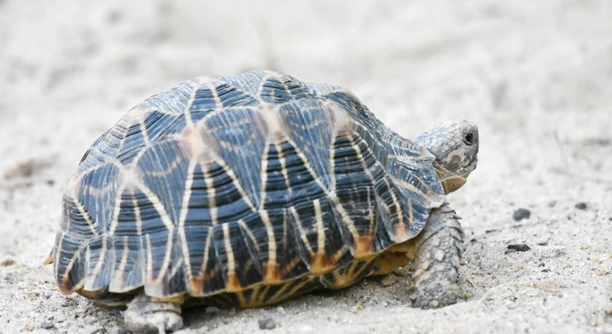
A turtle’s tank is its home, and just like any home, it needs the right care to stay healthy and clean. Without proper filtration, harmful bacteria, waste, and debris can accumulate, causing trouble for your pet.
A good filtration system helps remove waste, maintain clean water, and promote a healthier environment for your turtle. It also helps prevent the build-up of toxins that can harm your turtle’s health over time.
Improving your turtle’s filtration system is a key step in ensuring its long-term well-being. By making this change, you can create a cleaner, healthier home for your pet.
The Importance of Water Quality in Your Turtle’s Tank
Your turtle’s water quality is crucial for its health and comfort. Poor water quality can lead to skin infections, shell rot, or even death in extreme cases. Without proper filtration, waste products from food, uneaten pellets, and your turtle’s waste quickly accumulate, turning the water into a breeding ground for harmful bacteria. These contaminants can also cause an unpleasant smell, making the tank less enjoyable to maintain.
Investing in a good filtration system ensures that harmful substances are removed before they can affect your turtle’s health. It keeps the water clean, clear, and free of toxins, creating a safer environment.
Water filtration not only supports your turtle’s well-being, but it also reduces your workload in tank maintenance. With a good system, you won’t need to change the water as often. In addition, it promotes better oxygenation, which is beneficial for your turtle’s respiration. Cleaner water encourages your turtle to move freely, helping them maintain better overall health.
Maintaining Proper Oxygen Levels
The oxygen in your turtle’s tank is just as important as water cleanliness. Proper filtration helps oxygenate the water, ensuring your turtle has enough air to breathe. This is essential for their respiratory health.
When water is filtered correctly, it prevents stagnation and keeps the water circulating. Stagnant water leads to low oxygen levels, which could cause your turtle to become lethargic and less active. Proper water movement promotes oxygen exchange at the surface, supporting your turtle’s breathing.
Preventing Harmful Bacteria Growth
A poor filtration system can create an environment where harmful bacteria thrive. These bacteria can lead to various health issues, such as skin infections, respiratory problems, or shell rot. Without proper filtration, bacteria spread quickly, putting your turtle at risk.
A good filtration system removes waste, food remnants, and other organic material that bacteria feed on. As the water stays cleaner, harmful pathogens struggle to grow and multiply. Regular filtration changes help keep the tank environment stable, ensuring fewer bacteria buildup.
With effective filtration, you also reduce the frequency of water changes, making it easier to maintain a healthy tank. Fewer bacteria mean cleaner, safer water for your turtle. A properly filtered tank creates a healthier habitat and reduces the chances of infection or disease.
Supporting a Balanced Ecosystem
Filtration systems do more than remove waste. They also help support a balanced ecosystem in your turtle’s tank. A well-maintained filtration system ensures that beneficial bacteria thrive, creating a healthy, natural balance that benefits both your turtle and the tank environment.
These helpful bacteria break down organic matter, ensuring the water stays clean without harming the ecosystem. Without these bacteria, the tank can become overrun with waste, leading to spikes in toxins. A strong filtration system helps balance the good and bad bacteria, fostering a healthy environment where both your turtle and plants can flourish.
Reducing Tank Maintenance
Proper filtration makes cleaning easier. It prevents waste buildup, reducing the need for frequent water changes. By keeping the tank cleaner for longer periods, you can focus more on enjoying your turtle than constantly scrubbing the tank.
With a good filtration system, the work required to maintain your turtle’s home is significantly reduced. Filters help break down organic matter before it has a chance to cause problems. As a result, the tank stays cleaner for longer, saving you time and effort.
Promoting Better Turtle Health
Turtles are more active and healthier in clean water. When the water is well-filtered, your turtle’s immune system stays strong. Clear, oxygenated water helps keep their skin, shell, and overall health in check, preventing many common health issues.
By maintaining proper water quality with effective filtration, you’re giving your turtle the best chance for long-term health. Clean water supports their growth, energy, and overall well-being, allowing them to thrive in their environment.
FAQ
Why is filtration important for a turtle tank?
Filtration is essential to keep your turtle’s water clean, clear, and healthy. Turtles produce waste that can quickly build up in the tank, leading to dirty water, bacteria growth, and harmful toxins. A filtration system helps remove these contaminants, creating a safer environment for your turtle. It also reduces the need for frequent water changes, making maintenance easier and less time-consuming. Without proper filtration, the water quality will decline, potentially causing health issues for your turtle.
How often should I clean my turtle’s tank?
Even with a filtration system, it’s still necessary to clean your turtle’s tank regularly. The frequency will depend on the size of the tank, the filtration system, and how many turtles you have. In general, aim to do a partial water change every 1-2 weeks. You should also spot-clean the tank every few days by removing any visible waste or debris. Full tank cleanings, including filter maintenance, should be done once a month. Keep an eye on the water quality, as cloudy or smelly water may indicate the need for more frequent cleaning.
What type of filter is best for a turtle tank?
Canister filters are generally considered the best option for turtle tanks. They offer strong filtration power and can handle the high waste output of turtles. These filters are capable of handling both mechanical and biological filtration, ensuring that the water stays clean and safe. For smaller tanks, hang-on-back filters can also work well, but they may require more frequent maintenance. The filter you choose should be rated for the size of your tank and capable of filtering the water at least 3-4 times per hour.
How do I know if my turtle’s tank needs more filtration?
If you notice the water becoming cloudy, smelly, or dirty despite regular cleaning, it might be time to upgrade your filtration system. Your turtle’s health can also be a clue. If your turtle seems lethargic, has skin or shell issues, or is experiencing respiratory problems, poor water quality could be the cause. Another sign is an increase in algae growth or the rapid buildup of debris. If these issues arise, consider improving your filtration system or cleaning the tank more frequently.
Can I use a regular aquarium filter for my turtle tank?
Regular aquarium filters may not be strong enough for a turtle tank. Turtles produce a lot of waste, so they require a more powerful filter that can handle the increased load. Aquarium filters are usually designed for smaller fish tanks and might not have the capacity to maintain water quality in a turtle tank. For optimal performance, choose a filter specifically designed for turtle habitats, like a canister filter or a heavy-duty hang-on-back filter.
Should I leave the filter running all the time?
Yes, the filter should be running all the time. Filtration helps maintain clean water by continuously removing waste and toxins from the tank. Turning the filter off can lead to water stagnation, which will cause the water quality to decline. A constantly running filter also ensures that oxygen levels in the water remain stable, which is important for your turtle’s respiratory health. If you’re worried about noise or energy consumption, look for energy-efficient models that run quietly.
How can I prevent the filter from clogging?
To prevent the filter from clogging, make sure to clean it regularly. You should rinse the filter media (like sponges or pads) every few weeks to remove any debris that has accumulated. Avoid using soap or harsh chemicals when cleaning the filter, as these can harm the beneficial bacteria that help break down waste. You can also reduce the amount of waste in the tank by feeding your turtle properly and removing uneaten food promptly. Installing a pre-filter sponge can also help trap larger debris before it enters the filter.
Can I use a filter with a tank that has a basking area?
Yes, you can use a filter with a tank that has a basking area. In fact, it’s recommended to have a filter, especially in a tank with a basking spot, as turtles tend to make a mess both in the water and around the basking area. The filter will keep the water clean while your turtle spends time basking above the surface. Just make sure that the filter is positioned in a way that doesn’t disturb your turtle’s basking area or create too much current. A good filter will allow the water to flow gently around the tank without disturbing your turtle.
How do I maintain a filter?
Maintaining your filter involves regular cleaning and occasional replacement of filter media. Clean the filter components (such as the sponge, carbon, or ceramic rings) at least once a month, but avoid cleaning everything at once to preserve beneficial bacteria. Check the filter’s flow rate to make sure it’s working efficiently. If the water flow slows down or the filter makes unusual sounds, it could indicate a clog or a malfunction. Replace the filter media as needed, typically every 3-6 months, depending on the type of media and the manufacturer’s instructions.
Can I use a filter with a turtle tank and live plants?
Yes, you can use a filter with live plants in the tank. In fact, plants can benefit from the filtered water, as they help absorb excess nutrients and improve water quality. However, be mindful of the type of filter you choose. Some filters have strong currents that could damage delicate plants, so choose one with adjustable flow if necessary. A gentle filter flow is ideal to avoid disturbing the plants while still maintaining good water quality for your turtle. Additionally, consider using a filter with a biological filtration component to support both plants and the turtle’s needs.
Final Thoughts
Choosing the right filtration system for your turtle’s tank is crucial for maintaining a healthy and clean environment. Turtles produce a significant amount of waste, and without proper filtration, the water quality can quickly degrade, leading to health problems for your turtle. A good filtration system helps keep the water clean, reduces harmful bacteria, and provides better oxygenation, all of which are essential for your turtle’s well-being. Investing in a high-quality filter can save you time on maintenance and help prevent serious health issues in the long run.
It’s important to remember that filtration is just one aspect of caring for your turtle. Regular tank cleaning, proper feeding habits, and monitoring water temperature and pH levels all contribute to a healthy habitat. A filter will reduce the need for frequent water changes, but it doesn’t replace them entirely. You still need to keep an eye on the water quality and perform regular maintenance. Filters also need to be cleaned and maintained to ensure they continue working effectively. A filter that’s well-maintained will last longer and do a better job of keeping your turtle’s tank safe and clean.
Ultimately, the right filtration system will make your turtle’s habitat easier to manage and help ensure its health and happiness. Whether you choose a canister filter, a hang-on-back filter, or another type of filter, it’s essential to select one that matches the size of your tank and meets the needs of your turtle. With the right filtration system in place, you’ll create a cleaner, healthier environment that allows your turtle to thrive. Keep in mind that a little extra effort in choosing the right filter and maintaining it will go a long way in providing your turtle with a long and happy life.

Hello,
If you enjoy the content that we create, please consider saying a "Thank You!" by leaving a tip.
Every little bit helps us continue crafting quality advice that supports the health, happiness, and well-being of pets around the world, for pets of all shapes, sizes, and species.
We really appreciate the kindness and support that you show us!