
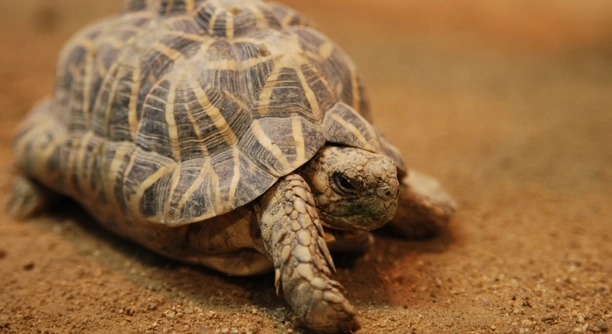
Turtles are fascinating creatures that can sometimes show unusual behaviors in their tanks. One common action is rubbing their backs, which can be confusing for turtle owners. This article will help you understand why this happens.
Turtles often rub their backs on tank surfaces due to the growth of their shells, itchiness, or the presence of external parasites. This behavior can also result from environmental stress or discomfort. Regular tank maintenance and observation are crucial for their well-being.
By understanding the causes behind this action, you can ensure your turtle stays healthy and comfortable. Keep reading to discover what might be happening in your turtle’s environment.
Understanding the Reasons Behind Back Rubbing
Turtles may rub their backs for several reasons, and it’s essential to pay attention to their behavior. One of the most common causes is the growth of their shells. As their shells grow, they can become itchy or uncomfortable. This rubbing could be their way of trying to scratch an itch or ease any discomfort caused by the shell’s development.
Another possible reason is the presence of external parasites like mites or algae. These can irritate the turtle’s skin and cause it to rub against surfaces. Stress or discomfort from the tank environment can also play a role. If the water temperature or quality isn’t ideal, your turtle might engage in this behavior as a reaction.
If you notice your turtle rubbing excessively, it’s time to check their environment. Regular cleaning, proper lighting, and maintaining a suitable temperature can help reduce discomfort. Ensuring that your turtle’s tank is free from harmful elements can prevent many of these issues.
How Tank Conditions Affect Your Turtle
Environmental factors significantly influence your turtle’s behavior. Poor water quality or incorrect temperature can cause stress, which leads to rubbing. The tank should be cleaned regularly, and the water should be filtered to keep it fresh. Turtles thrive in clean, stable environments.
By maintaining an optimal tank, you’ll notice fewer signs of discomfort. Water temperature, humidity, and proper lighting all contribute to your turtle’s health and happiness. Keeping these conditions in check will likely prevent behaviors like rubbing. Ensure that your turtle’s habitat is ideal to minimize stress and promote natural behaviors.
Shell Growth and Shell Health
As your turtle grows, its shell will continue to expand, and this can cause some discomfort. The shell hardens over time, which may cause itching or the need to stretch. This can result in rubbing against tank surfaces as your turtle tries to relieve the irritation. If you observe this behavior, it’s a natural part of growth, but you still need to monitor it closely.
Turtles need plenty of space and time to adjust to shell growth. The rubbing might be more frequent during the shedding process, when the outer layer of the shell is naturally being replaced. This process should be gradual, and your turtle should not experience any significant issues if the tank conditions are right. Keeping the tank clean and the water quality optimal can help minimize discomfort during this phase.
If the rubbing becomes excessive or if your turtle is showing signs of distress, it could be worth consulting a vet. They can examine the shell and confirm that everything is progressing as it should.
External Parasites and Skin Irritation
External parasites, such as mites or algae, can lead to skin irritation and make your turtle rub against surfaces in its tank. These parasites can latch onto the turtle’s skin or shell, causing discomfort. Regular checks for any unusual spots or growths on your turtle’s body can help identify parasites early.
If your turtle starts rubbing or scratching itself more often, it could be trying to get rid of parasites. Keeping the tank clean is essential to prevent any build-up of harmful organisms that can affect your turtle’s health. Regularly cleaning the tank, replacing the water, and maintaining good hygiene will help prevent these issues.
If you find parasites on your turtle, you may need to treat it with medications designed for reptiles. Consult your vet for advice on safe treatment options that won’t harm your pet. The sooner you address these problems, the better your turtle will feel.
Stress and Environmental Factors
Turtles can become stressed by changes in their environment, leading to behaviors like rubbing their backs. Factors such as noise, overcrowding, or sudden shifts in temperature can all contribute to stress. Your turtle may rub itself in an attempt to find comfort or alleviate that stress.
Stressful environments can also weaken your turtle’s immune system, making it more prone to other issues. Keeping the tank calm and quiet is essential for your turtle’s well-being. A stable environment with proper water conditions and minimal disturbances can help reduce stress-related behaviors.
Tank Size and Space Limitations
If your turtle doesn’t have enough space, it might engage in rubbing as a way to express frustration. Overcrowded tanks or small enclosures prevent your turtle from moving around freely, leading to stress. A spacious tank allows your turtle to swim, explore, and feel secure.
Make sure your turtle has enough room to move comfortably. The size of the tank should be at least four times the length of the turtle for swimming space. This helps maintain their mental and physical health, reducing the likelihood of behaviors like rubbing. The more freedom your turtle has, the happier and healthier it will be.
Incorrect Lighting or Temperature
Incorrect lighting or water temperature can cause discomfort for your turtle, triggering rubbing behavior. Turtles rely on proper lighting for vitamin D production, and the right temperature helps them regulate their metabolism. A tank that is too cold or lacks sufficient UVB light can stress your turtle out.
Ensure your turtle has access to a proper heat source and UVB light. These factors are critical for its overall health and can prevent many issues. Regularly check the temperature of the water, as well as the basking area, to ensure they’re both within the proper range. This will help your turtle feel more comfortable.
FAQ
Why does my turtle keep rubbing its back against the tank?
Rubbing its back is often a sign that your turtle is trying to relieve discomfort. This can happen due to shell growth, external parasites, or stress. If your turtle’s shell is growing, it may be itchy, and rubbing helps it feel more comfortable. External parasites like mites can also irritate the skin, prompting rubbing. Lastly, stress from poor tank conditions—such as overcrowding, inadequate lighting, or improper water temperature—can lead to this behavior. Keeping the tank clean and checking the environmental conditions can help resolve the issue.
What can I do if my turtle is rubbing excessively?
If your turtle is rubbing its back excessively, check its tank conditions first. Ensure the water is clean, the temperature is appropriate, and the lighting is correct. Clean the tank thoroughly to remove any algae, debris, or parasites. If the behavior doesn’t stop, it’s best to consult a vet to rule out any underlying health problems. A vet can help determine if the cause is due to parasites or any skin conditions that require treatment.
Can shell growth cause rubbing behavior in turtles?
Yes, shell growth is a common cause of rubbing behavior. As your turtle grows, its shell may feel uncomfortable or itchy. The rubbing helps relieve this discomfort. This behavior is especially noticeable in younger turtles whose shells are still growing. While this is generally normal, you should still monitor the situation. If your turtle’s shell appears to be growing abnormally or shows signs of damage, it’s important to consult a vet.
How do I know if my turtle has parasites?
Parasites, like mites or algae, can cause irritation and lead to rubbing. Look for unusual spots or growths on your turtle’s skin or shell. If your turtle starts rubbing more frequently, this might be a sign of irritation from parasites. Other signs to watch for include swelling, discoloration, or excessive scratching. If you notice any of these symptoms, it’s important to treat your turtle with medications designed for reptiles and consult a vet.
What type of tank setup should I have for my turtle?
Your turtle needs a spacious tank that allows it to swim freely. A tank should be at least four times the length of your turtle. The water should be kept clean with a good filtration system. It’s also important to provide a basking area where your turtle can dry off and warm up. Lighting is essential, so make sure there is both UVA and UVB light available for your turtle. Proper water temperature is equally important. The water should be kept between 75-80°F (24-27°C), and the basking area should be around 85-90°F (29-32°C).
Can stress cause my turtle to rub its back?
Yes, stress can lead to rubbing. If your turtle’s environment is too noisy, crowded, or not comfortable, it can become stressed and start rubbing its back. Tank mates that aren’t compatible or constant changes in its environment can also trigger stress. A stable and calm environment with proper space, lighting, and temperature is essential for reducing stress. Regular tank maintenance and providing hiding spots can help your turtle feel more secure.
What signs should I look for to determine if my turtle is in pain?
Turtles might hide signs of pain, but there are a few things to watch for. A turtle that’s in pain might stop eating, move sluggishly, or avoid swimming. It may rub its body more than usual or try to hide. If your turtle shows any of these signs or exhibits changes in behavior, it’s important to take it to a vet for an examination. Additionally, look for changes in the shell, such as cracks, softness, or unusual growth, as these can also indicate issues.
How often should I clean my turtle’s tank?
You should clean your turtle’s tank regularly to maintain a healthy environment. The water should be filtered, and the tank should be cleaned at least once a week. However, you’ll need to remove uneaten food and waste daily. This helps prevent harmful bacteria and algae build-up. A clean tank reduces the risk of parasites and helps keep your turtle comfortable. Regular water changes, about 25% every week, will also keep the water fresh and safe for your pet.
Is it normal for my turtle to scratch its shell?
Yes, it’s normal for turtles to scratch their shells occasionally, especially if they are growing. This could be due to an itch caused by new shell growth or shedding. However, if the scratching is excessive or leads to injuries, it may indicate a problem. In that case, check for external parasites or environmental stress factors. If scratching continues, it’s a good idea to consult a vet.
How can I help my turtle during the shedding process?
Shedding is a natural process for turtles, but it can cause some discomfort. To help your turtle, make sure the water is clean and at the proper temperature. The shell should shed gradually, but some turtles may need extra help, especially if there’s stuck skin. Adding a shallow, warm water soak can help loosen up old skin. Avoid scrubbing the turtle’s shell, as this can damage it. If shedding seems abnormal, consult a vet.
Can water temperature affect my turtle’s behavior?
Yes, water temperature plays a crucial role in your turtle’s behavior. If the water is too cold or too warm, it can cause stress and discomfort. Turtles are cold-blooded, meaning their body temperature depends on the environment. Too cold of water can lead to sluggishness, while too warm water can cause stress. Ensure the water temperature stays between 75-80°F (24-27°C) for the best comfort. The basking area should be warmer, around 85-90°F (29-32°C).
Final Thoughts
Understanding why your turtle keeps rubbing its back is essential for maintaining its health and well-being. While it may seem concerning at first, rubbing is often a normal behavior that stems from natural processes like shell growth or minor discomfort. However, it’s important to keep an eye on the frequency and intensity of this behavior, as it can sometimes indicate issues like stress, parasites, or unsuitable tank conditions. Regularly monitoring your turtle’s environment and health is crucial in ensuring it remains happy and comfortable.
If your turtle’s rubbing persists or becomes excessive, it’s a good idea to assess the tank conditions and make necessary adjustments. Ensuring the right water temperature, lighting, and tank size can help alleviate discomfort. A clean, stable environment is essential for your turtle’s health and can prevent many common issues. If you suspect external parasites or other health concerns, a visit to the vet can provide valuable insight and treatment options to address the problem effectively. Early intervention can make a significant difference in your turtle’s overall health.
By providing proper care and addressing any issues promptly, you can help prevent further discomfort for your turtle. Observing their behavior closely, checking for signs of stress or illness, and maintaining an optimal tank environment will go a long way in keeping your pet happy and healthy. Turtles are resilient animals, but they depend on their caretakers to provide the best possible living conditions. With a little attention and care, your turtle can live a long, healthy life free from unnecessary discomfort.

Hello,
If you enjoy the content that we create, please consider saying a "Thank You!" by leaving a tip.
Every little bit helps us continue crafting quality advice that supports the health, happiness, and well-being of pets around the world, for pets of all shapes, sizes, and species.
We really appreciate the kindness and support that you show us!