
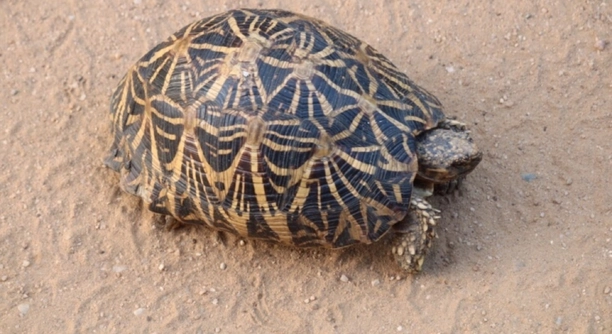
Turtles need a healthy diet to stay strong and active. As a turtle owner, it’s important to know which vegetables are safe for them. Offering the right greens ensures your pet stays happy and nourished.
There are several vegetables that are safe and healthy for turtles. Leafy greens such as kale, collard greens, and dandelion greens provide essential nutrients. These vegetables are rich in fiber, vitamins, and minerals, supporting your turtle’s overall health.
Including these vegetables in your turtle’s diet can provide them with the nutrients they need to thrive. Keeping your pet’s diet balanced is essential for long-term health.
Leafy Greens: A Turtle’s Best Friend
Leafy greens should be a regular part of your turtle’s diet. These vegetables provide a high amount of vitamins and minerals that are essential for your turtle’s growth and overall well-being. Greens such as kale, dandelion leaves, and collard greens are packed with calcium and vitamin A, which are crucial for strong bones and a healthy immune system. They also provide fiber, which supports proper digestion.
Not all greens are safe for turtles, so it’s important to stick to the safe options. Avoid offering iceberg lettuce as it has little nutritional value and can upset your turtle’s stomach. Instead, focus on dark, leafy vegetables that are more beneficial to their health.
You can offer these greens fresh and chopped to make them easier for your turtle to consume. A balanced mix of leafy greens will help keep your turtle healthy and hydrated. Just remember to wash them well to remove any pesticides or chemicals that may be harmful. The better the quality of the vegetables, the better your turtle will benefit from them.
Carrots and Other Root Vegetables
Carrots can be a healthy treat for your turtle in moderation. They’re rich in vitamin A and offer a good source of antioxidants, which help boost your turtle’s immune system. Root vegetables like sweet potatoes also provide essential nutrients, including fiber.
You should chop or shred these root vegetables into small pieces, making it easier for your turtle to eat them. These vegetables are a great supplement to your turtle’s diet, offering variety and texture. However, they should not be the main part of their meals, as too much carrot can be too sweet for their digestive system.
Cucumber: A Refreshing Treat for Turtles
Cucumbers are a great option for hydrating your turtle. They’re mostly water, which helps keep your turtle hydrated, especially during warmer months. They’re low in calories and safe to eat in small amounts.
When offering cucumbers, it’s important to peel them to remove any pesticides. Cut them into small, bite-sized pieces so your turtle can easily munch on them. Although cucumbers are not high in nutrients compared to other vegetables, they can serve as a refreshing, hydrating snack. You can give your turtle cucumber once or twice a week to complement its main meals.
Be mindful of how much cucumber you offer, as too much water can cause soft stools. It should not replace the essential leafy greens in your turtle’s diet but can be a great supplement to keep things interesting and refreshing.
Zucchini: A Light Vegetable Option
Zucchini is another safe vegetable that can add variety to your turtle’s meals. It’s low in fat and provides a good source of vitamins and minerals. This vegetable is mild in flavor, so most turtles enjoy it.
Zucchini can be offered raw or lightly cooked. If you choose to cook it, make sure not to use any oils, butter, or seasoning, as these can be harmful to your turtle. When feeding zucchini, it’s best to slice it thinly to avoid large chunks that may be difficult for your turtle to chew. You can give it to your turtle a few times a week for added variety in its diet.
Zucchini is high in water content, so it helps keep your turtle hydrated. It also has a soft texture, making it easier for smaller or older turtles to eat. While it shouldn’t be the main vegetable in their diet, it works well as a supplemental treat to offer alongside leafy greens and other healthy veggies.
Peas: A Tiny Powerhouse
Peas are packed with nutrients like fiber, vitamins A and C, and antioxidants. They’re easy for turtles to eat and can be a fun addition to their diet. Offer them occasionally, but don’t make them a staple.
Frozen peas can be used, but make sure to thaw and rinse them before serving. Peas are small, so your turtle can easily chew them, making them a safe snack for most turtles. They can be offered once or twice a week. Just remember, balance is key, and they shouldn’t replace other more nutritious options.
Bell Peppers: A Colorful and Nutritious Snack
Bell peppers, especially red and yellow ones, provide a good amount of vitamin C and beta-carotene. They’re a colorful and healthy vegetable option for turtles. The sweetness of bell peppers is usually a hit with turtles, and they’re easy to prepare.
You can chop them into small pieces, making it easier for your turtle to eat. Bell peppers should be served in moderation since they’re not as nutrient-dense as other leafy greens. Including them occasionally adds variety and helps keep your turtle’s meals interesting. Their vibrant color may also encourage your turtle to eat more eagerly.
FAQ
Can turtles eat tomatoes?
Yes, turtles can eat tomatoes, but in moderation. They contain vitamins and antioxidants that are good for your turtle’s health. However, too many tomatoes can upset their digestive system because of their high acidity. It’s important to remove the seeds and avoid giving your turtle the skin, which can be tough and harder to digest. Tomatoes should be offered as an occasional treat rather than a regular part of their diet. Always make sure to wash them thoroughly before feeding to remove pesticides or chemicals.
Are cucumbers good for turtles?
Cucumbers are safe for turtles to eat and are great for hydration due to their high water content. They’re low in calories, making them a good occasional snack. However, cucumbers don’t provide much nutritional value, so they shouldn’t be the main vegetable in your turtle’s diet. You can offer them once in a while as a refreshing treat. Make sure to peel and cut them into small, bite-sized pieces, and always wash them to remove any harmful chemicals.
What vegetables should I avoid feeding my turtle?
Some vegetables should be avoided when feeding your turtle. Iceberg lettuce, for instance, has very little nutritional value and can cause diarrhea. Also, vegetables high in oxalates like spinach and beet greens should be given sparingly as they can bind with calcium and prevent absorption, leading to potential bone health issues. Avoid feeding your turtle onions, garlic, or any vegetables that are toxic to pets, as they can cause serious health problems. Stick to safe, nutritious vegetables like leafy greens, carrots, and zucchini for the best results.
How often should I feed my turtle vegetables?
Turtles should be fed vegetables daily. However, the amount can vary depending on the species and age of your turtle. Juvenile turtles need more protein than adults, so their diet should include a combination of vegetables and protein. Adult turtles can thrive on a vegetable-heavy diet with occasional protein. It’s essential to offer a variety of vegetables to ensure they get the right balance of nutrients. A good rule of thumb is to fill 75-80% of their diet with vegetables and the rest with protein.
Can turtles eat fruit?
Yes, turtles can eat fruit, but it should be given sparingly. Fruits like strawberries, apples, and blueberries provide vitamins and antioxidants but are often high in sugar. Overfeeding fruit can lead to obesity or other health issues, so it’s best to offer fruit as an occasional treat. When giving fruit, be sure to remove any seeds or pits that could pose a choking hazard or be toxic to your turtle. Like with vegetables, balance is key.
Is kale safe for turtles?
Kale is safe and healthy for turtles. It’s packed with nutrients like calcium, vitamin A, and vitamin K, all of which are essential for your turtle’s health. You can feed your turtle kale regularly as part of a varied diet. However, it’s important to avoid overfeeding, as too much kale can cause digestive upset. Make sure to wash it thoroughly before feeding to remove any chemicals or pesticides. Offering a mix of different leafy greens, including kale, will help provide a balanced diet for your turtle.
How do I prepare vegetables for my turtle?
Vegetables should be washed thoroughly to remove any pesticides or harmful chemicals. For leafy greens, rinse them under cold water before offering them to your turtle. Larger vegetables like carrots and zucchini should be chopped or shredded into smaller pieces to make them easier for your turtle to consume. For harder vegetables, like carrots, you can even lightly steam them to soften them up. Avoid using oils, butter, or seasoning, as these can be harmful to turtles. Fresh, raw vegetables are always the best option for turtles.
Can I feed my turtle cooked vegetables?
Turtles can eat cooked vegetables, but they should be prepared in a way that preserves their nutrients. Steaming or lightly boiling vegetables can make them easier for your turtle to digest. Avoid using oil or seasoning, as these can be harmful. Cooking should be done minimally to retain the vitamins and minerals that are vital for your turtle’s health. While raw vegetables should still be the main part of their diet, cooked vegetables can be a healthy supplement, especially for tougher vegetables like carrots or sweet potatoes.
What should I feed my turtle in the winter?
During the winter months, your turtle’s diet may need some adjustments. If your turtle is hibernating or less active, it may not eat as much, so you should reduce the amount of food you provide. For active turtles, continue offering a balanced diet of leafy greens, vegetables, and some protein. You can provide more hydrating vegetables like cucumbers to help them stay hydrated. If your turtle is less active and not eating much, make sure to monitor its weight and consult a vet if necessary to ensure they stay healthy through the colder months.
Are there any vegetables that are toxic to turtles?
Yes, some vegetables are toxic to turtles. Vegetables like rhubarb and any part of the potato plant can be harmful. Rhubarb contains oxalates and anthraquinone glycosides, which can lead to kidney failure or other health problems in turtles. The leaves of the potato plant contain solanine, a toxin that can be fatal if consumed in large amounts. It’s essential to stick to safe vegetables like leafy greens, carrots, and zucchini and avoid anything that may be toxic to your turtle. Always double-check before introducing new foods to your turtle’s diet.
Can I feed my turtle leafy lettuce?
Leafy lettuce can be fed to turtles, but it’s best to avoid iceberg lettuce. Iceberg lettuce offers little nutritional value and can cause digestive issues. Romaine lettuce, on the other hand, is a better option and provides some vitamins and minerals. Lettuce should be served as part of a mix of different leafy greens for variety. However, lettuce should not be the main vegetable in your turtle’s diet since it doesn’t provide the same nutrients as other leafy greens like kale or collard greens. Use lettuce sparingly and always balance it with other vegetables.
Final Thoughts
Feeding your turtle a variety of safe and nutritious vegetables is essential for its health and well-being. It’s important to provide a mix of leafy greens, vegetables, and occasional fruits to ensure your turtle gets all the necessary nutrients. Leafy greens like kale, collard greens, and dandelion leaves are some of the best options, as they are rich in calcium, vitamins, and fiber. Carrots, cucumbers, zucchini, and bell peppers can also be added to your turtle’s diet, but they should not make up the majority of its meals. While cucumbers and zucchini are good for hydration, they lack some of the key nutrients your turtle needs.
Turtles have specific dietary requirements, and it’s important to avoid feeding them vegetables that could be harmful, such as iceberg lettuce or those with high levels of oxalates. Foods like rhubarb and potatoes are toxic to turtles and should always be avoided. By researching and understanding the right foods for your turtle, you can prevent health issues like digestive problems or calcium deficiency. Remember, variety is key. Offering a range of safe vegetables helps keep meals interesting and balanced for your pet, which in turn promotes good health.
Finally, while vegetables should be the main part of your turtle’s diet, it’s important to feed them in moderation. Overfeeding even healthy vegetables can lead to digestive problems or other health concerns. Regularly monitor your turtle’s weight and behavior to ensure it is thriving. You can also consult a veterinarian who specializes in reptiles if you have any concerns about your turtle’s diet or health. Providing a well-balanced diet with the right vegetables will help ensure your turtle lives a long, healthy life.

Hello,
If you enjoy the content that we create, please consider saying a "Thank You!" by leaving a tip.
Every little bit helps us continue crafting quality advice that supports the health, happiness, and well-being of pets around the world, for pets of all shapes, sizes, and species.
We really appreciate the kindness and support that you show us!