
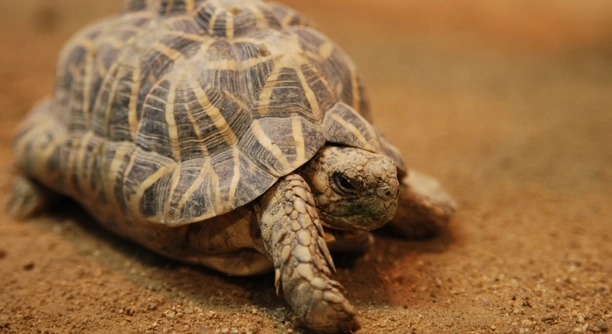
Turtles need sunlight for their health and well-being. Sometimes, you may notice that your pet isn’t acting quite like itself. It could be a sign that it needs more exposure to natural light.
Turtles rely on sunlight to regulate their temperature, metabolism, and immune system. Insufficient sunlight can lead to health problems, including weakened shells and lack of appetite. Providing the right amount of UVB exposure is essential for your turtle’s overall well-being.
Ensuring your turtle gets enough sunlight will help it stay healthy and happy. Keep reading to learn how to spot the signs that indicate your turtle needs more sunlight.
Your Turtle May Be More Lethargic Than Usual
When turtles don’t get enough sunlight, they often become more sluggish and spend most of their time hiding. Turtles are cold-blooded animals, which means they rely on external heat sources like the sun to warm their bodies. If your turtle is not basking under the light or seems uninterested in moving around, it could be a sign it’s not getting the necessary UVB rays to stay active. This lack of energy can lead to reduced activity and appetite, making it harder for your turtle to function properly. A consistent routine of sunlight exposure helps boost your turtle’s energy levels and promotes overall health.
Lack of sunlight leads to a drop in the turtle’s body temperature, which contributes to lethargy. If you notice a pattern of inactivity, it’s time to adjust its habitat.
Turtles naturally thrive in environments where they can regulate their body temperature by basking in the sun. Without enough light, your turtle’s internal systems slow down, which can result in a lack of interest in moving around. This can lead to your turtle becoming less responsive and more withdrawn. It’s important to ensure that your turtle’s habitat mimics the natural conditions it would experience in the wild. If it has a proper basking area, where it can enjoy natural sunlight or the right type of artificial UVB light, your turtle will feel more energized. By providing this, you’ll help your pet remain active and prevent health issues that come from inactivity.
Your Turtle’s Shell May Show Signs of Weakness
If your turtle’s shell looks soft, weak, or deformed, it might not be getting enough sunlight. UVB light helps turtles metabolize calcium, which is crucial for maintaining a strong, healthy shell. Without the proper amount of sunlight, your turtle’s body can struggle to absorb calcium, leading to shell problems.
Calcium absorption is vital for your turtle’s shell development. Without it, they can experience bone deformities and shell softness. This can make the shell more prone to cracking or injury.
Providing your turtle with proper UVB light helps it synthesize vitamin D3, which is necessary for calcium absorption. A lack of sunlight or UVB exposure directly impacts this process, causing the turtle’s shell to become weak over time. This is particularly concerning for young turtles, as they need more calcium during their growth stages. Over time, a weakened shell can cause other serious health issues, such as infections or deformities that may require veterinary attention. To ensure your turtle’s shell remains strong, set up a proper basking area that allows it to soak up the sun or use UVB lights to mimic sunlight in your pet’s habitat.
Your Turtle’s Appetite May Decrease
If your turtle isn’t eating as much as usual, it might not be getting enough sunlight. A lack of UVB light can slow down your turtle’s metabolism, causing it to lose interest in food. Regular exposure to sunlight helps stimulate the turtle’s appetite.
Without sufficient sunlight, a turtle’s digestive system may not function properly. This can lead to a decrease in hunger and a reluctance to eat. Sunlight is essential for your turtle’s ability to process food and absorb nutrients. If you notice a drop in your turtle’s eating habits, ensure it’s getting proper sunlight or UVB exposure to encourage healthy digestion.
Turtles need UVB rays to metabolize food correctly. When they don’t get enough light, they may experience a slowdown in digestion, leading to a lack of appetite. This issue can also result in poor growth and overall health. If you notice your turtle skipping meals or showing disinterest in food, it may be a sign that it’s not getting the proper UVB light. Setting up a well-lit basking area with natural sunlight or a UVB lamp will help improve your turtle’s feeding habits and encourage better digestion.
Your Turtle’s Behavior May Be More Aggressive
Lack of sunlight can affect your turtle’s temperament, leading to aggressive or territorial behavior. Turtles that don’t receive enough UVB exposure might feel stressed or uncomfortable, which could make them act out.
When turtles are stressed, they often become more territorial and defensive. They may also show signs of aggression, like biting or chasing other turtles in their habitat. UVB light helps regulate their hormones and behaviors, so without it, they may become irritable. This can lead to unnecessary conflict, especially in a shared enclosure.
A turtle’s behavior is influenced by its environment, and sunlight plays a big role in keeping it calm and content. When turtles don’t get enough UVB light, their stress levels increase, which can result in more aggressive tendencies. Proper sunlight exposure helps balance their hormones, promoting better behavior and reducing unnecessary stress. Ensure that your turtle has a basking area with consistent UVB lighting. This not only improves their mood but also contributes to their overall well-being and social stability.
Your Turtle’s Skin May Appear Dull or Dry
If your turtle’s skin seems dry or dull, it might not be getting enough sunlight. UVB light helps maintain healthy skin by promoting vitamin D3 production, which supports skin regeneration and overall hydration. Without it, your turtle’s skin may look unhealthy or rough.
A lack of proper sunlight can lead to dehydration, which causes the skin to appear dry or flaky. UVB rays are necessary for the synthesis of vitamin D3, which in turn helps your turtle absorb calcium and maintain healthy skin. Without sufficient light, your turtle may struggle to shed properly, leaving skin that looks dull or dry. Providing the right amount of UVB light can make a noticeable difference in your turtle’s skin condition, improving its overall appearance and health.
Your Turtle May Show Signs of Respiratory Issues
Turtles that don’t get enough sunlight may develop respiratory issues. Without UVB exposure, their immune systems can weaken, making them more susceptible to infections. Regular sunlight helps keep their lungs strong and their immune system functioning properly.
UVB light plays a critical role in boosting the turtle’s immune system, helping it fight off illnesses like respiratory infections. Without adequate exposure, the turtle’s body becomes more vulnerable to bacteria and viruses that can lead to lung infections. This can result in wheezing, labored breathing, and a general lack of energy. If your turtle starts showing signs of respiratory distress, it could be linked to insufficient sunlight. To avoid this, make sure your turtle gets proper UVB exposure, either from natural sunlight or a UVB lamp, to support its immune health.
Your Turtle Might Have Trouble Shedding
Turtles rely on sunlight to help them shed their skin properly. Without enough UVB light, they may experience difficulty with shedding, leading to old, stuck skin. This can cause irritation and even infections if not addressed.
Shedding is a natural process for turtles, but without the proper environmental conditions, this process can go wrong. When turtles are deprived of sunlight or UVB light, their skin may not shed correctly. This can result in patches of old skin clinging to the body, creating irritation. Additionally, improper shedding can lead to infections if bacteria or fungi get trapped under the old skin. To ensure proper shedding, make sure your turtle has access to the right amount of sunlight or UVB light to help its body shed naturally and avoid skin-related issues.
FAQ
How much sunlight does my turtle need each day?
Turtles generally need around 10 to 12 hours of sunlight each day. If you’re using a UVB lamp, you should aim for a similar amount of exposure. Too little sunlight can affect their health, while too much can cause overheating. If your turtle spends time outdoors, make sure it has access to a shaded area in case it gets too hot. It’s important to balance exposure to prevent any stress from excess heat while ensuring they get enough UVB to stay healthy.
Can I use a regular light bulb instead of a UVB light?
No, a regular light bulb will not provide the necessary UVB rays that turtles need for proper health. UVB light helps turtles produce vitamin D3, which is essential for calcium absorption and maintaining a healthy shell. You should invest in a proper UVB light designed for reptiles to ensure your turtle gets the right kind of light. This type of light mimics natural sunlight and helps your turtle stay healthy.
How do I know if my turtle is getting enough UVB light?
One of the main signs that your turtle isn’t getting enough UVB light is if it appears lethargic or shows signs of a weakened shell. You may also notice that it isn’t eating or basking as often. If your turtle’s skin is dry or dull, this could also indicate a lack of UVB exposure. Monitoring your turtle’s behavior and health is key. If you see any of these signs, it’s a good idea to check your lighting setup to ensure it’s providing enough UVB light.
What happens if my turtle doesn’t get enough UVB light?
Without proper UVB light, your turtle can suffer from various health issues. The most common problem is metabolic bone disease, which occurs due to a lack of calcium absorption. This leads to a soft or weakened shell, poor growth, and other skeletal issues. In some cases, turtles may become more susceptible to infections and develop respiratory problems. UVB light is also vital for maintaining a strong immune system and proper digestion. Ensuring your turtle gets adequate UVB exposure is essential for its long-term health.
Can my turtle get enough sunlight if it’s kept indoors?
Yes, it’s possible to provide your indoor turtle with enough sunlight if you set up the proper lighting system. A combination of a UVB light and a basking area will simulate the sunlight your turtle needs. If you can place your turtle’s enclosure near a window where it can receive natural sunlight, that can also help. Just ensure the glass doesn’t block UVB rays, as most glass does. The key is ensuring a consistent, controlled environment that mimics natural sunlight to keep your turtle healthy.
How can I make sure my turtle is getting enough calcium?
Along with providing UVB light for vitamin D3 production, it’s important to ensure your turtle is getting enough calcium in its diet. You can do this by feeding calcium-rich foods like leafy greens (e.g., collard greens, dandelion greens) or adding calcium supplements to its food. Sometimes, dusting food with a calcium powder can help, especially if your turtle isn’t eating as much. Be sure to check the diet and supplement options if you notice any issues with the shell or growth.
Can my turtle get UVB from a window?
While natural sunlight through a window can provide your turtle with some UVB exposure, most windows block UVB rays. This means your turtle will not get the full benefit of UVB light when placed near a window. It’s best to use a UVB light designed for reptiles to ensure your turtle gets enough UVB rays. You can place your turtle outside in a safe, controlled environment for a short period to get proper sunlight, but only if it’s safe and the weather conditions are appropriate.
Is there such a thing as too much sunlight for my turtle?
Yes, it’s possible for your turtle to get too much sunlight. Overexposure to UVB light or excessive heat can lead to dehydration, stress, or overheating. If your turtle spends too much time basking in the sun, it may experience heat stress. To avoid this, ensure your turtle has access to shade when outside and is not exposed to extreme temperatures. If using a UVB lamp indoors, monitor the temperature to ensure it’s not too high for your turtle to feel comfortable.
How long should I leave the UVB light on for my turtle?
You should keep the UVB light on for 10 to 12 hours a day, mimicking a natural day-night cycle. This helps regulate your turtle’s circadian rhythms and ensures it receives the necessary UVB exposure. It’s important to turn off the light at night to give your turtle a rest period. Consistent light and dark cycles will help your turtle maintain proper health and behavior. Using a timer can help make sure the UVB light is on for the right amount of time each day.
Can I use a heat lamp and UVB light together for my turtle?
Yes, you can use both a heat lamp and a UVB light together for your turtle. The heat lamp provides warmth, while the UVB light ensures your turtle gets the necessary rays for calcium absorption and overall health. When setting up your turtle’s basking area, make sure the heat lamp is positioned in a way that provides a warm spot for your turtle, while the UVB light covers the full basking area to ensure it receives the right light. Always monitor temperatures to ensure the basking area is at the right temperature range for your turtle’s species.
Final Thoughts
Ensuring your turtle gets enough sunlight is crucial for its overall health. Without the proper UVB exposure, your turtle can face a variety of issues, including shell weakness, poor appetite, and respiratory problems. UVB light is essential for calcium absorption, which helps keep your turtle’s bones and shell strong. It also supports the immune system, allowing your pet to fight off infections more effectively. Regular access to sunlight or a UVB lamp is necessary to mimic the natural environment that turtles need to stay healthy.
A well-lit basking area is the key to providing your turtle with the right amount of UVB light. Whether you are using natural sunlight or artificial UVB lights, consistency is important. Make sure the lighting setup allows your turtle to bask comfortably, without overheating. It’s also vital to remember that UVB light doesn’t last forever, so be sure to replace your UVB bulb regularly. This will ensure your turtle continues to get the full benefits of the light it needs to thrive. Proper lighting helps prevent health issues and encourages natural behaviors like basking and eating.
By observing your turtle’s behavior, you can better understand its needs. If you notice any signs of lethargy, poor shell condition, or changes in eating habits, it may be a sign that your turtle isn’t getting enough sunlight. These signs are signals that need to be addressed to maintain your turtle’s well-being. With the right care, including proper lighting and diet, your turtle can live a long and healthy life. Take the time to assess its environment regularly and ensure it has everything it needs to stay happy and healthy.

Hello,
If you enjoy the content that we create, please consider saying a "Thank You!" by leaving a tip.
Every little bit helps us continue crafting quality advice that supports the health, happiness, and well-being of pets around the world, for pets of all shapes, sizes, and species.
We really appreciate the kindness and support that you show us!