
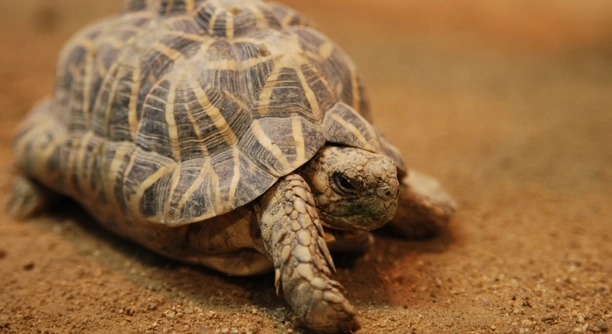
Turtles are fascinating creatures, but caring for them comes with its own set of challenges. One common concern among turtle owners is when a turtle’s plastron, or bottom shell, begins to sink inward.
A sinking plastron in turtles is often caused by health issues, such as metabolic bone disease (MBD), improper diet, or lack of proper UVB lighting. These factors can weaken the shell structure, leading to the sinking appearance.
Understanding the causes of this issue will help you identify what steps to take to improve your turtle’s health and prevent further complications.
Common Causes of a Sinking Plastron
The sinking of your turtle’s plastron can result from several key issues. One of the most common causes is metabolic bone disease (MBD), a condition that occurs when a turtle doesn’t receive enough calcium or vitamin D3. Without these essential nutrients, the shell and bones can become weak, leading to deformation or sinking. Poor lighting is also a major factor. Turtles need exposure to UVB light for proper calcium metabolism. Without it, they cannot absorb calcium effectively, which weakens their bones. Lastly, an improper diet can contribute to these health problems. If your turtle is not getting the right balance of foods, it can result in malnutrition, impacting their shell and overall well-being.
A weak plastron indicates that something is wrong with your turtle’s environment or diet.
Addressing these issues early on is crucial to avoid further damage to the shell and to your turtle’s health. Improving diet, lighting, and ensuring proper care can help reverse the condition or at least prevent it from worsening.
How to Prevent the Plastron from Sinking
Prevention starts with creating a balanced environment. Make sure your turtle’s habitat includes a UVB light to support calcium absorption. The light should be positioned properly to ensure it reaches the turtle’s basking area. Make sure to replace UVB bulbs regularly, as they lose their effectiveness over time. Additionally, provide a varied diet rich in calcium and vitamin D3, such as leafy greens, calcium supplements, and occasional high-quality pellets. Consider providing a basking area for your turtle to ensure it gets enough warmth to properly digest its food and absorb essential nutrients.
If your turtle is showing signs of a sinking plastron, it’s vital to take immediate action. Consult a vet who can guide you on how to correct your turtle’s diet and recommend treatment for any underlying health issues.
The Role of Diet in Shell Health
A poor diet can quickly lead to a sinking plastron. If your turtle’s diet lacks calcium or vitamin D3, it can cause their bones and shell to weaken. Calcium is especially important for shell development, and without it, your turtle won’t be able to maintain a strong, healthy plastron. High-quality turtle pellets should be supplemented with leafy greens, such as kale or dandelion greens, which are rich in nutrients. Including protein sources like insects is also necessary for a balanced diet.
Without the right nutrients, your turtle may not be able to fully absorb calcium from their food, even if they are eating calcium-rich items. In this case, calcium supplements can help. Be careful not to overdo it, as excessive calcium can cause its own health problems. A balanced diet with both proper supplements and natural food sources is key to preventing shell deformities.
It’s also important to avoid feeding your turtle processed or high-fat foods, which may provide little to no nutritional value. Stick to fresh vegetables and appropriate supplements to ensure they get what they need for proper shell health.
The Importance of UVB Lighting
UVB light is critical for your turtle’s health. It allows them to produce vitamin D3, which helps with calcium absorption. Without UVB light, even a proper diet will not be enough to prevent shell issues, including a sinking plastron. Make sure your turtle has access to direct UVB lighting for several hours each day.
UVB bulbs should be replaced regularly, as their effectiveness diminishes over time. They must be placed within a specific distance from your turtle to ensure proper exposure. The basking area should be set up carefully to let your turtle bask in the light comfortably. If possible, place the light over a dry basking spot where they can warm up.
If you’re unsure whether your UVB light is working effectively, there are UVB meters available for testing. Keeping track of the quality and intensity of the light will ensure your turtle’s shell stays healthy and strong.
Environmental Factors Affecting Shell Health
Temperature and humidity levels play a large role in your turtle’s overall well-being. If the environment is too cold or too dry, it can lead to weakened bones and shells. Turtles require a proper balance of heat and humidity for digestion and metabolism.
Ensure your turtle’s habitat has both a warm basking area and a cooler zone where they can regulate their body temperature. Regularly monitor the humidity levels to prevent dehydration, which can also affect their shell health. Using a thermometer and hygrometer will help maintain the correct environment for your turtle.
The Impact of Inadequate Exercise
Inadequate exercise can contribute to a weak and unhealthy plastron. Turtles need space to move around and swim in order to maintain muscle strength and healthy bones. Without enough activity, their shells may become deformed over time.
Provide your turtle with an adequate-sized enclosure that allows them to swim and explore. You can also offer different types of enrichment, such as hiding places or obstacles, to encourage movement. Regular activity helps to promote strong bones and supports a healthy plastron.
FAQ
What is metabolic bone disease (MBD)?
Metabolic bone disease (MBD) is a common health issue in turtles, especially when they don’t get enough calcium, vitamin D3, or UVB light. This condition weakens the bones and shell, causing deformities like a sinking plastron. Without the right nutrients and light, the turtle’s shell becomes soft and can eventually collapse. MBD is often preventable by providing proper diet and lighting. If your turtle shows signs of MBD, it’s important to act quickly to correct their diet and environment.
How can I tell if my turtle has MBD?
If your turtle’s plastron begins to sink inward, or if their shell feels soft and flexible, these are key signs of MBD. You might also notice your turtle becoming lethargic or having difficulty moving. In severe cases, they may have visible bone deformities or fractures. It’s important to take your turtle to a veterinarian if you suspect MBD, as it can lead to further complications if untreated.
How can I treat a sinking plastron?
To treat a sinking plastron, focus on improving your turtle’s diet, lighting, and environment. Make sure they have access to proper UVB lighting for 10-12 hours a day, as this is necessary for calcium absorption. Offer a diet rich in calcium and vitamin D3, including leafy greens and high-quality pellets. Calcium supplements may also help, but be careful not to over-supplement. In severe cases, a veterinarian may prescribe medications or other treatments to address underlying health issues.
Can I fix a sinking plastron at home?
While some cases of a sinking plastron can improve with changes to diet and lighting, severe cases require veterinary attention. If your turtle has metabolic bone disease or another underlying issue causing the sinking plastron, a professional veterinarian will be able to guide you on the best course of treatment. Some issues, such as deformities caused by bone damage, may not be reversible, but proper care can prevent the condition from worsening.
How long will it take for my turtle’s plastron to heal?
The healing time for a sinking plastron depends on the severity of the issue and how quickly treatment begins. If the cause is nutritional or environmental, it may take several weeks to months for your turtle to show improvement. The most important thing is to address the problem as soon as possible. Consistency with the right lighting, diet, and supplements is key. Your turtle may need regular check-ups with a veterinarian to track progress and ensure their health is improving.
Can UVB light really prevent a sinking plastron?
Yes, UVB light is essential for calcium absorption and plays a major role in preventing a sinking plastron. Without proper UVB exposure, your turtle cannot effectively process calcium from their food, which leads to weakened bones and shells. Ensure that your turtle has access to UVB light for 10-12 hours daily. If your turtle is housed indoors, this lighting is even more crucial since natural sunlight may not be available.
What should I feed my turtle to prevent a sinking plastron?
A well-balanced diet is essential to prevent a sinking plastron. Include a variety of leafy greens, such as kale, dandelion greens, and collard greens. These provide calcium and other necessary vitamins. Additionally, feed your turtle high-quality pellets designed for their specific species, and offer protein sources like insects or worms. Calcium supplements may also be beneficial, especially if your turtle isn’t eating enough calcium-rich foods.
How can I tell if my turtle is getting enough calcium?
If your turtle’s shell feels hard and solid, they are likely getting enough calcium. A sinking or soft plastron is a clear indication that they are not. To check if your turtle is getting enough calcium, assess their diet to make sure they are eating calcium-rich foods like leafy greens and specialized turtle food. Consider adding a calcium supplement to their food if needed, but consult a vet before doing so to avoid over-supplementation.
Is it too late to fix a sinking plastron if it’s already sunk?
Even if your turtle’s plastron has already sunk, it’s not too late to improve their health. While some damage may be permanent, proper diet, lighting, and environmental changes can help prevent the issue from worsening. The earlier you address the situation, the better the chances of improvement. However, severe deformities may need veterinary intervention, and some physical changes may not be reversible.
Can stress affect a turtle’s plastron health?
Yes, stress can have a negative impact on your turtle’s health, including their plastron. Stress can be caused by improper temperature, lack of space, or aggressive handling. Chronic stress weakens the immune system and can lead to various health problems, including weakened bones and shells. Reducing stress factors and providing a stable environment will help improve your turtle’s overall well-being.
Should I consult a vet if my turtle’s plastron is sinking?
It is always a good idea to consult a vet if you notice any changes in your turtle’s health, including a sinking plastron. A vet can assess your turtle’s condition, provide a proper diagnosis, and recommend treatment options. Early intervention is important, especially when it comes to conditions like metabolic bone disease, which can lead to long-term damage if left untreated.
Final Thoughts
Caring for a turtle means paying close attention to its diet, environment, and overall health. A sinking plastron can be a sign that something isn’t right, and it’s important to address the issue quickly. While there are several factors that can contribute to a sinking plastron, the most common are inadequate nutrition, poor lighting, and improper environmental conditions. By providing a balanced diet, including the right amount of calcium and vitamin D3, along with proper UVB lighting, you can support your turtle’s health and prevent further issues. It’s crucial to make these adjustments as soon as you notice the problem to avoid long-term damage.
If you believe your turtle’s plastron is sinking, the first step is to assess its living conditions. Make sure the habitat includes a suitable basking area with proper UVB light exposure and the right temperature and humidity levels. Along with this, a varied diet consisting of leafy greens, high-quality pellets, and occasional protein sources will give your turtle the nutrients it needs to thrive. While diet and lighting are key factors, consistent environmental care is just as important. Turtles need space to move around, swim, and explore to stay healthy and active. Regular exercise is also vital for bone and shell health.
It’s important to remember that while some issues like a sinking plastron can be managed with adjustments to care, others may require the help of a veterinarian. If you notice that your turtle’s plastron continues to sink or the condition worsens despite your efforts, a vet can help determine if there’s an underlying health problem. Early intervention is critical, as conditions like metabolic bone disease can lead to more serious complications if not treated in time. By staying vigilant and responsive to your turtle’s needs, you can help ensure they live a long, healthy life.

Hello,
If you enjoy the content that we create, please consider saying a "Thank You!" by leaving a tip.
Every little bit helps us continue crafting quality advice that supports the health, happiness, and well-being of pets around the world, for pets of all shapes, sizes, and species.
We really appreciate the kindness and support that you show us!