
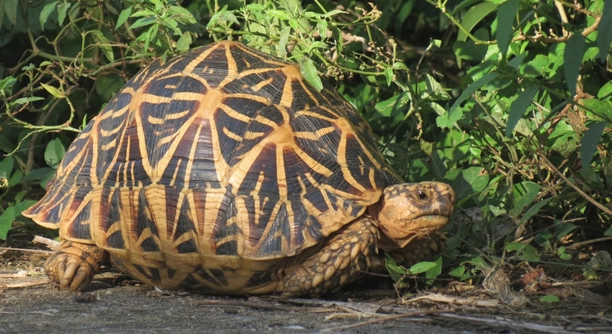
Turtles are fascinating creatures, but it can be puzzling when they start snapping at the air. It’s a common behavior many turtle owners notice, and it can be concerning if you don’t understand why it happens.
Turtles may snap at the air due to various factors such as hunger, excitement, territorial behavior, or simply as part of their natural instincts. Snapping can also occur when they feel threatened or are responding to sudden movements around them.
Understanding the reasons behind this snapping behavior will help you care for your turtle better. By identifying the root causes, you can ensure a happier and healthier life for your turtle companion.
Hunger or Feeding Time
One of the most common reasons your turtle might be snapping at the air is hunger. Turtles are opportunistic feeders, and they have a strong instinct to react to the sight or smell of food. If you’ve recently fed your turtle or it senses food nearby, it may become more animated, snapping at the air in anticipation. This behavior can be especially noticeable during feeding time when your turtle is actively searching for its next meal.
If you notice your turtle snapping, it might simply be a sign that it is hungry or excited about getting fed. This is a natural behavior, and often, it will calm down once food is offered. However, if your turtle is snapping excessively or appears to be fixated on food when it’s not feeding time, there may be other factors at play.
Turtles can also be trained to recognize feeding cues. Over time, they may start snapping when they associate certain movements or sounds with food, even if they’re not hungry at that moment. In this case, snapping is more of a learned response, signaling that food is on the way. If you want to reduce this behavior, try offering meals at regular times to help your turtle develop a predictable routine.
Excitement and Curiosity
Turtles can snap at the air when they’re excited or curious about their surroundings. Their natural instincts can trigger this behavior, especially when something catches their attention.
When something new or interesting happens in their environment, like a movement near their tank or a new object, they may instinctively snap at the air. This reaction is more common in younger turtles or in those still adjusting to their environment. Over time, as they become more accustomed to their space, this behavior might decrease.
As you observe your turtle, you’ll see that these moments of excitement can be linked to curiosity or attention to movement. Turtles, like many other animals, are curious creatures. They may be trying to figure out what’s happening around them, and snapping at the air is simply part of their response. Keep in mind that this behavior is typically harmless. However, if your turtle seems overly stressed or agitated, it may be worth looking into its living environment to see if changes are needed.
Territorial Behavior
Turtles can also snap at the air as a form of territorial display. When they feel their space is being invaded, whether by another turtle or something new in their environment, they may respond with snapping behavior. This is especially common in species that are more solitary by nature.
If you have more than one turtle in the same space, territorial snapping could become more frequent. The snapping serves as a warning to other turtles or animals to stay away. Even small changes in the environment, like a new decoration in the tank or a shift in lighting, can trigger this behavior.
It’s important to monitor how your turtle behaves if territorial snapping becomes an issue. If two turtles are in close proximity and this behavior escalates, it might result in aggressive interactions. Ensuring enough space for each turtle to claim its own area can reduce these territorial displays. Be mindful of changes that could make your turtle feel threatened or confined.
Stress and Anxiety
Snapping at the air could also be a sign that your turtle is stressed or anxious. Changes in its routine or environment can lead to this type of reaction. Stress in turtles can come from many sources, including sudden changes in temperature, lighting, or even the presence of other animals nearby.
If a turtle feels threatened by something in its environment, it might become more agitated, leading to repetitive behaviors such as snapping. A common cause of anxiety could be improper water conditions, such as too high or low temperatures, or inadequate filtration. Snapping can also happen if your turtle is being overhandled or feels trapped. Keeping your turtle’s environment stable and comfortable can help alleviate anxiety and reduce stress-related behaviors.
A stressed turtle may also show other signs, like hiding or refusing to eat. It’s crucial to observe these signs and address any factors that could be causing distress. Sometimes, simply adjusting the turtle’s living conditions can make a significant difference in its overall well-being.
Inadequate Space
If your turtle doesn’t have enough space, it may start snapping at the air. Turtles need room to move around and feel secure. Without enough space to explore or hide, they can become anxious, which leads to behaviors like snapping.
Overcrowding in the tank can be a big issue. Turtles need personal space to feel comfortable. If they are kept with other turtles or in a small area, they might act out by snapping when they feel threatened or confined.
The solution is to ensure that your turtle has enough room to swim and bask without interference. Make sure its tank is large enough to accommodate it and allow for natural movements. This can reduce stress and prevent unnecessary snapping.
Illness or Injury
Sometimes snapping at the air could signal that your turtle is in discomfort due to illness or injury. If your turtle isn’t feeling well, it might snap as a way to react to the stress.
Look for other signs of illness, such as lethargy, swelling, or difficulty eating. If your turtle is snapping suddenly and excessively, it could be experiencing pain or distress from an injury. In this case, it’s important to take your turtle to the vet for a thorough check-up to rule out any health concerns.
Boredom
Turtles are intelligent creatures, and without enough stimulation, they can get bored. Snapping at the air can sometimes be a sign of frustration from a lack of mental or physical activity. If a turtle feels bored or unstimulated, it may start exhibiting behaviors like snapping in an attempt to engage with its environment.
Try enriching your turtle’s space with new things to explore. Adding safe toys, hiding places, or changing the layout of the tank can help keep your turtle entertained and reduce boredom-induced behaviors. A well-stimulated turtle is more likely to remain calm and content.
FAQ
Why does my turtle keep snapping at the water?
Turtles may snap at the water for several reasons, including hunger, excitement, or territorial behavior. They might also snap at the water if they sense movement or perceive it as a threat. In many cases, snapping at water can be linked to their natural hunting instincts, where they’re trying to catch food or investigate their environment. Keep an eye on your turtle’s behavior and try to identify any triggers that may cause it to snap. If it becomes excessive, it may be a sign of stress or boredom.
Is snapping a sign that my turtle is aggressive?
Not necessarily. Snapping does not always indicate aggression. While some turtles may snap when they feel threatened or territorial, many simply do it out of curiosity or excitement. If your turtle is snapping towards you or other animals, it could be a sign of either territoriality or a lack of space. Turtles are generally not aggressive animals, but certain conditions, like overcrowding or sudden changes in their environment, might cause them to react this way.
How do I stop my turtle from snapping?
To reduce snapping, ensure your turtle’s environment is suitable for its needs. Provide enough space, proper temperature, and a comfortable habitat. Offering a predictable feeding schedule can help minimize snapping due to hunger. If the behavior persists, try observing your turtle’s reactions to different stimuli and make adjustments to its tank, lighting, or interactions to reduce stress.
Can snapping be caused by an injury or illness?
Yes, snapping could be a sign of injury or illness. If your turtle is in pain or discomfort, it might snap as a reaction to stress. Check for signs like swelling, limping, or changes in behavior, such as lack of appetite or lethargy. If you suspect an injury or illness, it’s best to consult a vet who specializes in reptiles to ensure proper care.
Why does my turtle snap at the air when I move around?
Turtles are highly sensitive to movement in their environment. When you move around, your turtle may react instinctively, snapping at the air as a response to your motion. This could be out of curiosity or as part of their natural hunting instincts, especially if they associate movement with food or other stimuli. Over time, your turtle may become more accustomed to your movements, reducing this behavior.
Should I be worried if my turtle snaps at me?
Occasional snapping at you is usually not a cause for concern. However, it could indicate that your turtle feels threatened or is trying to establish dominance in its territory. If the snapping becomes frequent or aggressive, it may be a sign of stress or discomfort in the tank. Adjusting its environment or handling it less frequently can help minimize this behavior.
How can I tell if my turtle is snapping because it’s stressed?
Stress-induced snapping often occurs when a turtle feels uncomfortable or unsafe. If your turtle snaps more often when its environment changes, such as after being moved to a new tank or being exposed to loud noises, stress is likely the cause. You may also notice other signs of stress, such as hiding more than usual, a lack of appetite, or erratic swimming behavior. Addressing the source of stress can help reduce snapping.
Can my turtle snap if it’s bored?
Yes, turtles can snap out of boredom. Like any animal, turtles need stimulation to keep them active and engaged. If your turtle is kept in a bare tank with few things to do, it might resort to snapping as a way of expressing its frustration or seeking attention. Providing enrichment, such as toys, new decorations, or changes to its environment, can help alleviate boredom and reduce this behavior.
What can I do if my turtle starts snapping when I’m near the tank?
If your turtle begins snapping when you approach its tank, it could be associating you with food or movement. Try to create a routine where your turtle associates your presence with positive things, like feeding. If the snapping is a sign of territorial behavior, giving your turtle more space or adding a hiding spot could help. Gradually introducing yourself into its environment and limiting abrupt movements can also reduce the snapping.
Can snapping be a sign of excitement in my turtle?
Yes, snapping can be a sign of excitement, especially during feeding time. Turtles often react to the sight or smell of food by snapping. If your turtle is snapping at the air or water and seems more animated than usual, it’s likely a response to excitement or anticipation of food. This is normal behavior, but ensuring regular feeding times can help manage excessive snapping.
Why is my turtle snapping at the glass?
Turtles may snap at the glass due to a variety of reasons. If they see something outside their tank, like a person or another animal, they might become curious and snap at the glass. It could also be a sign of frustration, as your turtle may want to explore beyond the confines of its tank. Sometimes, it’s simply a reaction to movement or an attempt to interact with what’s outside its environment.
Final Thoughts
Turtles are fascinating creatures, and their behavior can sometimes leave us puzzled, especially when they snap at the air or other objects. While this behavior is often linked to natural instincts such as hunger, excitement, or territoriality, it’s important to pay attention to the context in which it occurs. Most of the time, snapping is harmless, and your turtle is simply reacting to its environment in ways that are instinctive and natural. Understanding the causes behind this behavior is key to ensuring your turtle remains comfortable and happy in its habitat.
If your turtle’s snapping becomes excessive or seems out of place, it could be a sign of stress, boredom, or discomfort. By providing a well-balanced and enriching environment, you can help reduce this behavior. Ensure that your turtle has enough space, appropriate tank conditions, and opportunities to explore. Regular feeding and a stable routine can also prevent snapping that is tied to hunger or anticipation of food. Sometimes, a simple adjustment in its environment can make a big difference, creating a more relaxed and content turtle.
It’s always important to remember that while snapping might seem alarming at first, it’s usually a normal behavior in turtles. However, if you ever notice signs of illness, injury, or excessive stress in your turtle, seeking professional advice from a vet who specializes in reptiles is always a good idea. By understanding the reasons behind your turtle’s snapping, you can make informed decisions about how to improve its well-being and ensure it thrives in its environment.

Hello,
If you enjoy the content that we create, please consider saying a "Thank You!" by leaving a tip.
Every little bit helps us continue crafting quality advice that supports the health, happiness, and well-being of pets around the world, for pets of all shapes, sizes, and species.
We really appreciate the kindness and support that you show us!