
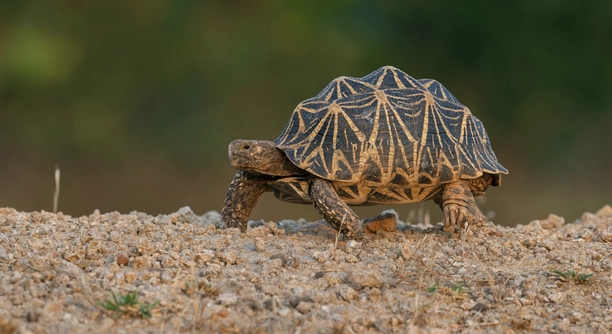
Turtles are wonderful pets, but sometimes their health can raise concerns. If you’ve noticed your turtle’s tail looking thinner, it’s important to understand what might be causing this change. Let’s take a closer look at this issue.
A thinner tail in turtles can be caused by a variety of factors, including poor diet, dehydration, or an underlying health condition. Stress and improper living conditions can also contribute to this issue, affecting your turtle’s overall well-being.
Addressing the reasons behind your turtle’s thinner tail can help ensure a healthier and happier pet. This article will explore the common causes and offer tips for improving your turtle’s health and care.
Possible Causes for a Thinner Tail
A turtle’s tail can appear thinner due to several reasons, often tied to its health and care. One common factor is diet. If your turtle isn’t getting enough nutrients, especially calcium and protein, its tail might begin to shrink in size. Turtles need a well-balanced diet to maintain proper body functions, including a healthy tail. Another potential cause is dehydration. Like all animals, turtles rely on sufficient water to stay hydrated, and dehydration can lead to noticeable changes in their body, including its tail.
Sometimes, stress can affect your turtle’s tail. If the environment is too noisy, cramped, or the water conditions are not suitable, your turtle may experience stress. This could lead to various health problems, including a thinner tail. It’s important to ensure your turtle has a calm, clean, and spacious environment to thrive. Additionally, improper habitat temperatures can stress the turtle, leading to health issues.
Diet and Hydration
A poor diet can significantly affect the health of your turtle’s tail. Without the right nutrients, your turtle may lose weight and become weak, which can lead to a thinner appearance in certain areas of its body.
The key to a healthy turtle is ensuring it receives the right food. A well-balanced mix of vegetables, protein, and calcium-rich foods can keep your turtle in optimal health. Lack of water intake can also be a big problem. Dehydrated turtles are more likely to have a thinner tail due to loss of hydration.
Stress and Environment
Stress is another major factor to consider. If your turtle is not getting enough space, or if it faces constant disturbances, it may experience negative effects, such as a thinner tail. It’s essential to offer your turtle a quiet and safe space, allowing it to feel secure and comfortable.
A proper tank setup is crucial for reducing stress in turtles. Make sure it’s spacious enough for your turtle to move freely and that the water is clean and the temperature is correct. Many turtles are sensitive to temperature shifts, so using a tank heater to keep the water warm will help maintain its health. When the turtle’s environment is comfortable, its chances of maintaining a healthy tail increase significantly.
Illness or Infection
Infections can also cause a thinner tail in turtles. Bacterial or fungal infections may affect their tail, leading to a loss of tissue and causing it to appear thinner. It’s important to look out for other signs, such as swelling, discoloration, or unusual growths around the tail. These signs can indicate an infection that requires prompt attention.
Infections often occur due to poor water quality, where bacteria and fungi thrive. If your turtle’s living conditions are not properly maintained, the risk of infection increases. Regular water changes, proper filtration, and keeping the tank clean are essential for preventing these issues. If you notice signs of an infection, it’s best to consult a veterinarian for proper treatment. Early intervention can help save your turtle from more serious health problems.
Parasites
Parasites can also affect your turtle’s health, leading to a thinner tail. These unwanted organisms can live in your turtle’s digestive system, causing weight loss and other issues. A parasitic infection can cause your turtle to become weak, which may result in a noticeable change in the tail’s appearance.
If you suspect your turtle may have parasites, you should check for signs like poor appetite, lethargy, and unusual behavior. Infected turtles may also shed skin more frequently or show visible changes in their feces. A veterinarian can test for parasites and provide medication to treat the infection. Proper hygiene in the tank and feeding healthy foods can help reduce the risk of parasites in the future.
Poor Tank Conditions
Improper tank conditions can directly impact your turtle’s health. If the water quality is poor or the temperature is inconsistent, it can cause stress, which affects its tail. Regular maintenance and water changes are crucial to keeping your turtle happy and healthy.
Turtles are sensitive to water temperature and pH levels. If the tank is too cold or too dirty, they can become stressed, leading to various health problems. The water should be cleaned regularly, and the heater should maintain the proper temperature range. Without a stable environment, your turtle might experience a thinner tail, among other issues.
Lack of Exercise
Turtles need to move around to stay fit and healthy. A lack of exercise can lead to weight loss and muscle wasting, which might make the tail appear thinner. It’s important to give your turtle enough space to swim and explore.
A well-exercised turtle has a better chance of staying in good health. If your turtle is confined to a small space with limited opportunities for movement, it may become weak and lose mass. Ensuring your turtle has room to move and swim is key to keeping it strong and maintaining a healthy appearance.
Age and Natural Changes
As turtles age, they may naturally lose body mass, including around their tail. This is a normal process, though it may be more noticeable in older turtles. Over time, their metabolism slows, and their body may go through various changes.
Age-related changes can be managed with proper care, but it’s important to monitor your turtle’s health as it gets older. Providing a suitable environment, balanced diet, and adequate hydration can help your older turtle stay healthy longer, ensuring that changes like a thinner tail don’t become too concerning.
FAQ
What should I do if my turtle’s tail looks thinner?
If you notice your turtle’s tail looking thinner, it’s important to first check its environment and diet. Make sure the tank is clean and the water quality is good, with appropriate temperature and filtration. Offer a balanced diet rich in calcium, protein, and vegetables. If the tail doesn’t improve or other health issues arise, it’s best to take your turtle to a vet for a proper diagnosis.
How do I know if my turtle has an infection?
Signs of infection in a turtle include swelling, redness, or unusual discharge around the tail or other body parts. If the tail appears thinner along with these symptoms, it could indicate an infection. Other signs include lethargy, loss of appetite, or changes in behavior. If these symptoms are present, consult a veterinarian for treatment.
Can parasites cause my turtle’s tail to shrink?
Yes, parasites can affect a turtle’s health and lead to weight loss, which might cause the tail to appear thinner. Infected turtles often show symptoms such as lethargy, poor appetite, and changes in their feces. If you suspect your turtle has parasites, it’s best to seek a vet’s advice for appropriate treatment.
What is the best diet for my turtle to keep its tail healthy?
To maintain a healthy tail, your turtle needs a balanced diet that includes a variety of foods. Include dark leafy greens like kale, dandelion, and collard greens, as well as high-protein foods like worms or small fish. Calcium-rich foods such as cuttlefish bone or calcium supplements are also essential for bone health.
Could stress be the reason my turtle’s tail is thinner?
Yes, stress can contribute to a thinner tail. Turtles may experience stress if they are kept in a cramped tank, if their environment is too noisy, or if there are issues with water quality. Stress can lead to various health problems, including weight loss, which could result in a thinner tail. Ensure your turtle’s tank is spacious, clean, and in a quiet area to reduce stress.
How often should I change the water in my turtle’s tank?
Water changes should be done regularly to maintain healthy water conditions. Depending on the size of the tank and filtration system, you may need to change 25-50% of the water weekly. A clean tank prevents bacteria and fungi from thriving, which can help avoid infections that may affect the tail.
Is dehydration a concern for my turtle’s health?
Yes, dehydration is a serious concern for turtles. It can lead to various health issues, including a thinner tail. Always provide access to clean water, and ensure your turtle is getting enough water through its food as well. If you notice signs of dehydration, such as lethargy or sunken eyes, increase its water intake and seek veterinary advice.
Can I prevent my turtle’s tail from getting thinner?
The best way to prevent your turtle’s tail from becoming thinner is by maintaining a proper environment and diet. Keep the tank clean, provide the right water temperature, and offer a well-balanced diet that includes calcium, protein, and vegetables. Regularly check your turtle’s overall health, and avoid stressors such as overcrowding or noisy environments.
What temperature should the water in my turtle’s tank be?
Turtles need a stable water temperature to stay healthy. The ideal water temperature for most turtles is between 75°F and 80°F (24°C to 27°C). A water heater can help maintain a consistent temperature, preventing stress caused by temperature fluctuations. Keep an eye on the tank’s thermometer to ensure it stays within the recommended range.
How do I know if my turtle is stressed?
Turtles show signs of stress through changes in behavior, such as decreased activity, lack of appetite, or excessive hiding. Stress can also cause physical changes like a thinner tail or changes in the shell. If your turtle is exhibiting these signs, evaluate its tank conditions and make necessary improvements to reduce stress.
Final Thoughts
Taking care of a turtle requires attention to detail and a consistent routine. If you notice your turtle’s tail is getting thinner, it’s important to address the issue as soon as possible. By ensuring your turtle has a proper diet, clean water, and a stable environment, you can greatly improve its health. A balanced diet with enough calcium, protein, and vegetables is essential for supporting its overall well-being, including a healthy tail. If your turtle’s tail continues to look thinner despite proper care, it may be a sign of an underlying issue such as an infection, parasites, or stress.
If you suspect that your turtle is ill, the best course of action is to consult a veterinarian. Early diagnosis and treatment can help prevent further complications. Infections and parasites can be treated with medication, but it’s important to address them quickly before they worsen. Additionally, stress from an unsuitable environment can often be resolved by making changes to its habitat. Make sure your turtle’s tank is spacious, quiet, and kept at the correct temperature. Regular water changes and proper filtration will ensure the water stays clean and free from harmful bacteria and fungi.
By paying attention to your turtle’s needs and monitoring any changes in its health, you can keep it happy and comfortable. Regular checks on its diet, environment, and behavior will help prevent many health issues, including a thinner tail. It’s also a good idea to perform periodic vet check-ups, especially if your turtle is older or showing signs of illness. In the end, caring for a turtle takes effort, but with the right care, your turtle will live a healthy life and thrive in its environment.

Hello,
If you enjoy the content that we create, please consider saying a "Thank You!" by leaving a tip.
Every little bit helps us continue crafting quality advice that supports the health, happiness, and well-being of pets around the world, for pets of all shapes, sizes, and species.
We really appreciate the kindness and support that you show us!