
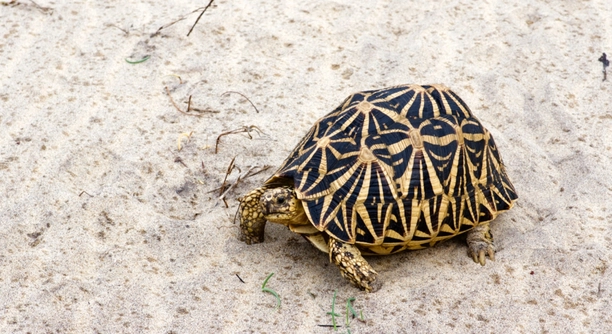
Turtles are fascinating creatures, and their shells are an essential part of their health. However, sometimes these shells can weaken, leaving your pet vulnerable. It’s important to know the signs that indicate your turtle’s shell may need attention.
The weakening of a turtle’s shell can be caused by various factors such as poor nutrition, environmental stress, or injury. Common signs include softness, cracks, discoloration, and changes in shape. Regular monitoring and proper care can help prevent further damage.
There are steps you can take to care for your turtle’s shell and ensure it stays healthy. Keep reading to learn about the most common signs of a weakening shell and how to address them effectively.
Soft Shells
If your turtle’s shell begins to feel soft or spongy to the touch, it’s a clear sign that something is wrong. A healthy turtle shell should be firm and solid. Softness can indicate poor calcium intake, which is crucial for shell development and overall strength. Without enough calcium, the shell cannot grow or harden properly, leaving it vulnerable to damage.
Weak shells may also make your turtle more prone to infections or injuries. Lack of proper lighting, specifically UVB rays, can prevent calcium absorption. A balanced diet, rich in calcium and vitamins, is essential to maintain a healthy shell. If the shell is soft, it’s important to make changes to your turtle’s care routine right away.
You should make sure your turtle has access to proper UVB lighting for at least 10-12 hours a day. Incorporating calcium-rich foods like leafy greens or calcium supplements can also help. Consistent care will allow your turtle’s shell to grow stronger over time.
Cracks or Breaks in the Shell
Cracks or breaks in a turtle’s shell are not uncommon, but they are concerning. These can happen from accidents, falls, or from a poorly maintained environment. If left untreated, cracks can become larger and may cause the turtle to experience pain or infections.
A turtle’s shell is made of bone and is vulnerable to physical damage if it falls or is bumped into hard surfaces. It’s important to monitor for any cracks, particularly in the edges, and seek professional care if necessary. Your turtle may need special attention to help repair the shell or avoid further damage.
In cases of shell cracks or fractures, it is essential to address the injury as soon as possible. A vet may recommend a shell repair treatment, depending on the severity. Ensuring your turtle’s living space is safe, free of sharp objects, and large enough to move comfortably can prevent such injuries.
Discoloration of the Shell
When a turtle’s shell starts to change color, it’s often a sign of stress or illness. Healthy shells are usually dark brown or green, but yellowing, whiteness, or other unusual colors can indicate an underlying issue. This could be linked to poor diet, water quality, or environmental factors.
One of the most common causes of discoloration is the lack of proper UVB lighting, which helps turtles synthesize Vitamin D3 and absorb calcium. Without this, their shells may become discolored or even soft. Regular exposure to UVB light and a proper diet are necessary to keep the shell healthy and vibrant.
Sometimes, discoloration can also result from fungal or bacterial infections. If you notice patches of white or yellow, it’s important to check your turtle for other signs of illness like lethargy or appetite loss. Addressing these issues early on can help prevent permanent damage to your turtle’s shell.
Deformed or Misshapen Shell
If your turtle’s shell starts to change shape, it could be a sign of nutritional imbalance or improper care. A misshapen shell may appear uneven or bulging, which is often linked to metabolic bone disease. This condition is usually caused by a lack of calcium, Vitamin D3, or UVB exposure.
Turtles with deformed shells might also struggle to swim or move around normally. This may interfere with their ability to eat or escape predators, leaving them more vulnerable to injury or health issues. If you notice any deformities, it’s important to take action quickly to correct the underlying cause.
Proper nutrition is crucial for preventing shell deformities. Ensure your turtle is fed a balanced diet rich in calcium, vitamins, and minerals. A proper basking area with UVB light is essential for shell health. If deformities worsen, a veterinarian can help diagnose and treat the condition.
Shell Shedding
Turtles naturally shed parts of their shell as they grow, but excessive shedding is a sign of a problem. If you notice large chunks of shell falling off, it could indicate poor nutrition or a fungal infection. Regularly monitor your turtle for signs of abnormal shedding.
Proper nutrition and care can prevent abnormal shell shedding. Ensure your turtle has access to a balanced diet with proper calcium, vitamin D3, and UVB exposure. If shedding is excessive or accompanied by other symptoms, like inflammation, it may be time to consult a vet to rule out underlying issues.
If your turtle is shedding too much, it’s a sign that something isn’t right in their environment or diet. Check for poor lighting, lack of proper food, or potential fungal infections. Fixing the root cause is necessary to stop abnormal shedding and prevent further harm.
Weakness in Movement
If your turtle seems to be moving slower than usual or has difficulty getting around, this could be a result of shell weakening. A weakened shell can cause discomfort or limited mobility. Pay attention to any changes in behavior that might suggest a larger issue.
Poor movement may also be linked to underlying health problems, such as metabolic bone disease or injury. If a turtle’s shell is soft or damaged, they may not be able to move as easily. Making sure your turtle has a proper diet and habitat can improve their movement over time.
A turtle’s shell supports their body, and any issue with the shell can affect their overall health. Maintaining proper care and providing an appropriate environment is key to preventing weakness in movement. If symptoms continue, a vet can assess your turtle’s condition and offer treatment options.
Poor Appetite
If your turtle is eating less or refusing food, it may be a sign of shell issues or illness. Turtles with weakened shells may experience pain or discomfort while eating, leading to a loss of appetite. This is a serious sign that shouldn’t be ignored.
A decreased appetite can also be linked to stress, poor water quality, or an unbalanced diet. If your turtle’s shell is not healthy, they may not have the energy to eat or may lose interest in food. Ensure your turtle’s habitat is clean, and their diet is nutrient-rich to encourage eating.
Lack of appetite combined with other symptoms like lethargy or shell changes is a clear indication that your turtle needs immediate attention. It’s crucial to address the issue before it leads to further complications. Taking action early will improve their overall health and prevent shell-related problems.
FAQ
How can I tell if my turtle’s shell is too soft?
A soft shell can be detected by gently pressing on the turtle’s carapace (top shell). If it feels spongy or bends under pressure, it’s too soft. This is often a sign of calcium deficiency. To help, provide proper UVB lighting and a diet rich in calcium. You can also consider adding calcium supplements to their food.
What should I do if my turtle’s shell is cracked?
If your turtle has a crack in its shell, it’s important to seek professional help immediately. The crack may need to be cleaned and treated to avoid infection. Avoid putting your turtle back into the water until a vet has assessed the injury. Keep your turtle in a clean, dry area and follow the vet’s instructions for care.
Is it normal for my turtle to shed its shell?
Turtles shed parts of their shells as they grow, but it’s not usually noticeable. If large sections are coming off, it might indicate an infection or poor diet. Normal shedding is gradual and should not leave exposed areas or damage the shell. You can help by maintaining proper nutrition and ensuring your turtle is under proper lighting.
How can I prevent my turtle’s shell from getting weak?
Preventing a weak shell starts with proper diet and care. Ensure your turtle gets plenty of calcium and Vitamin D3, which can be provided through calcium-rich foods like leafy greens and through UVB lighting. Regular vet checkups are also recommended to keep an eye on shell health.
Why is my turtle’s shell changing color?
A turtle’s shell may change color due to a variety of reasons, including stress, poor diet, or infection. Yellowing or whitening of the shell can indicate a lack of UVB exposure or a fungal infection. If you notice any changes in color, it’s important to monitor your turtle for other signs of illness and consult a vet if necessary.
What could be the cause of my turtle moving slower?
Slowness in movement could be a sign of weakness in the shell, poor health, or an injury. A weakened shell might cause discomfort, leading to slower movements. It’s important to ensure that your turtle is eating a balanced diet and that it has the right living conditions, such as proper lighting and a clean environment.
How often should I check my turtle’s shell for problems?
It’s a good idea to check your turtle’s shell every time you clean their tank or interact with them. Regular checks help spot early signs of shell issues, such as cracks, discoloration, or soft spots. The more often you monitor, the quicker you can address any concerns that arise.
Can I treat a fungal infection on my turtle’s shell at home?
If you suspect a fungal infection, it’s best to consult with a vet. While there are treatments available, such as antifungal creams, a professional diagnosis is needed to ensure proper treatment. Fungal infections can lead to more severe issues if left untreated, so getting help early is essential.
What are the signs of a calcium deficiency in turtles?
Common signs of calcium deficiency include soft or deformed shells, lethargy, and a lack of appetite. Turtles that don’t get enough calcium may also have difficulty moving or swimming. Make sure your turtle gets enough calcium through its food and supplements if necessary. UVB light is also crucial for calcium absorption.
What should I do if my turtle stops eating?
If your turtle refuses food, check for signs of injury or illness. A weakened or damaged shell may make it painful for them to eat. If your turtle is also showing signs of lethargy, slow movement, or changes in the shell, a vet visit is recommended to diagnose the problem.
Can improper lighting cause shell problems?
Yes, improper lighting is one of the most common causes of shell problems. Without proper UVB lighting, turtles cannot synthesize Vitamin D3, which is necessary for calcium absorption and healthy shell growth. Make sure your turtle’s enclosure has appropriate UVB lights to prevent shell weakening and other related issues.
Final Thoughts
Taking care of a turtle’s shell is crucial for their overall health and well-being. The shell not only protects them but also plays an important role in their growth and movement. A healthy shell requires proper care, including a balanced diet, appropriate UVB lighting, and a clean environment. By paying attention to the signs of a weakening shell, you can address potential issues before they become serious. Regularly checking for any changes in the shell, such as softness, cracks, or discoloration, will help you catch problems early.
It’s also important to understand that turtles, like all pets, require a lot of attention. Their care goes beyond just feeding them. Providing the right habitat, ensuring proper lighting, and offering a varied diet are all necessary to keep them healthy. If you notice anything unusual about your turtle’s shell or behavior, it’s always a good idea to consult a vet. Early intervention can make a big difference in treating shell-related problems and preventing further damage.
While it can be concerning if you see signs that your turtle’s shell is weakening, remember that with the right care, many issues can be corrected or prevented. A little extra effort in maintaining their environment and diet goes a long way in keeping your turtle happy and healthy. Always stay alert to changes in your turtle’s shell and health. Address any concerns quickly, and don’t hesitate to seek professional help when necessary. Your turtle’s well-being depends on how well you care for them.

Hello,
If you enjoy the content that we create, please consider saying a "Thank You!" by leaving a tip.
Every little bit helps us continue crafting quality advice that supports the health, happiness, and well-being of pets around the world, for pets of all shapes, sizes, and species.
We really appreciate the kindness and support that you show us!