
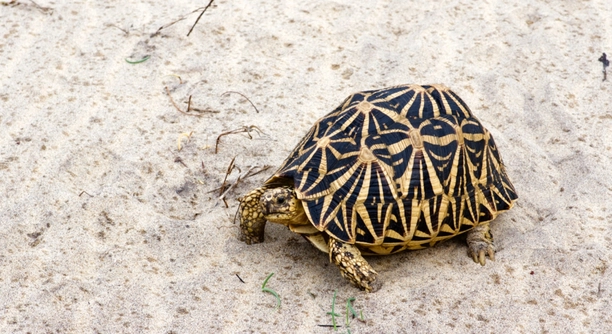
Creating a turtle-friendly outdoor habitat is a simple and rewarding way to support local wildlife. Turtles thrive in environments that offer space to roam, food, and shelter. This guide will help you build a space that welcomes these creatures.
To make a turtle-friendly outdoor habitat, start by providing safe access to water, native plants for shelter, and a variety of food sources. A quiet, shaded area with minimal human disturbance ensures turtles feel secure in their new environment.
With the right steps, your backyard can become a safe haven for turtles. Let’s look at the simple yet effective ways to create this habitat.
Provide Access to Water
Turtles need a reliable water source to thrive, whether it’s a pond, a shallow pool, or even a small water feature. Make sure the water is clean and free of chemicals like chlorine, as these can harm the turtles. The water should be deep enough for them to swim, but also have shallow areas where they can easily climb out. A gentle slope or a ramp can help turtles move in and out of the water safely. If you don’t have a natural water source, you can use a pond liner to create one.
Adding plants to the water area helps turtles feel secure. Floating plants like water lilies or submerged plants give them hiding spots. It also provides them with food like algae, insects, and aquatic plants. The plants help maintain water quality, ensuring the water stays clean. A well-maintained water area keeps turtles happy and healthy.
Creating a clean and accessible water feature is the first step to making a space inviting for turtles. Remember that turtles need both water to swim and land to bask in the sun.
Create Shade and Shelter
Turtles need access to shaded areas for comfort and protection. A combination of natural shade from trees, bushes, or man-made structures like shelters will work well. If your garden is sunny, providing a shaded spot is essential for keeping the turtles cool and comfortable during the hot summer months.
Consider planting a variety of native plants around the edges of the habitat. These plants will not only provide shade but also act as natural shelters. Turtles appreciate hiding spots, especially under low shrubs or thick ground cover. This also helps protect them from predators, like birds or small mammals, that might cause harm. Dense vegetation helps create a sense of security, encouraging turtles to stay in the habitat.
Providing shade and shelter reduces stress and promotes turtle well-being. Natural structures or planted areas help mimic their wild habitat, allowing them to feel safe and relaxed.
Provide Food Sources
Turtles are omnivores, and a variety of food sources should be available in their habitat. This includes native plants, insects, and small fish. You can also plant leafy greens like dandelion or clover for them to nibble on. Avoid using pesticides in your garden, as chemicals can harm the turtles.
Creating a natural food source helps reduce the need for human intervention. Allowing wild insects to thrive and offering a mix of native plants will keep turtles fed without much effort on your part. Turtles will find their food in the environment, promoting their natural behaviors.
In addition to plants, provide access to small aquatic creatures like snails and worms. These creatures help balance the ecosystem while feeding the turtles. You can also consider adding a small fish tank or allowing tadpoles to live in your pond, providing more food options for the turtles.
Maintain Cleanliness
Keeping the habitat clean is essential for the turtles’ health. Regularly remove debris, fallen leaves, and any waste that might accumulate in the water or on the land. Stagnant water can lead to algae buildup and attract unwanted pests.
Adding a filtration system to the water will help keep it clean and clear. This allows the turtles to stay in a healthy environment. A filtration system also reduces the growth of harmful bacteria that can thrive in dirty water, ensuring turtles stay disease-free. A good filtration system helps manage waste and keeps the water safe for the turtles.
Regularly cleaning and maintaining the habitat will keep it in optimal condition. Check for any signs of mold or rot, especially in shelters or hiding spots. A clean and well-maintained space is vital for turtle health, reducing stress and ensuring they thrive.
Avoid Chemicals
Turtles are sensitive to chemicals, so avoid using pesticides, herbicides, or fertilizers around their habitat. These chemicals can pollute the water and harm the turtles. Opt for organic or natural methods for gardening to keep your outdoor space safe for wildlife.
Use mulch or compost instead of chemical fertilizers to enrich the soil. This not only keeps the environment safe for turtles but also benefits the surrounding plants. Additionally, using natural products encourages a healthier ecosystem and supports local wildlife.
By removing harmful chemicals from your habitat, you are creating a more sustainable space for turtles to live and thrive.
Limit Human Disturbance
Turtles need a peaceful environment to feel secure. Limit noise, foot traffic, and sudden movements around their habitat to reduce stress. Turtles are more likely to stay and thrive when they feel undisturbed.
Creating a quiet, calm area encourages turtles to interact with their habitat naturally. Avoiding constant human interference allows them to feel safe in their space. A low-traffic area will help turtles adjust to their new environment and remain stress-free.
FAQ
What is the best type of water for turtles?
Turtles thrive in clean, fresh water. Avoid using tap water with chlorine or other chemicals, as this can harm the turtles. If tap water is your only option, let it sit for 24 hours to allow the chemicals to dissipate. Rainwater is ideal because it’s free of chemicals and usually clean. If you have a pond or water feature, consider installing a filtration system to keep the water clean and clear.
How deep should the water be in a turtle habitat?
The depth of the water depends on the size and species of the turtle. For most turtles, the water should be at least 6 inches deep, though larger species may need a deeper area. Include shallow spots so the turtles can easily climb out and bask when they need to. The key is to offer a variety of depths, allowing turtles to choose according to their needs.
Do turtles need a basking area?
Yes, turtles need a basking area to regulate their body temperature. Provide a flat rock or a dock that’s easily accessible from the water. The basking area should be dry and positioned in a sunny spot where the turtles can soak up heat. If you live in a colder climate, ensure the basking area has a heat lamp to provide warmth during cooler months.
What plants should I include in a turtle habitat?
Incorporating native plants is ideal for creating a natural environment. Submerged plants, like water lilies, provide shelter and food for turtles. Floating plants help create shaded spots, and terrestrial plants, such as grasses and low shrubs, offer hiding places. Avoid using toxic plants, as they can harm the turtles. Plants like clover, dandelions, and aquatic plants are safe options.
How can I protect my turtles from predators?
Turtles are vulnerable to predators, including birds and small mammals. To protect them, provide plenty of cover and hiding spots, such as dense plants, rocks, or log piles. Creating a secluded area with thick vegetation will help them feel secure. If possible, build a small, enclosed fence around the habitat to keep predators out.
How can I keep the water clean without using chemicals?
To maintain clean water, use a natural filtration system. A combination of aquatic plants, like water hyacinths and algae, can help filter the water. Regularly remove debris, such as leaves and fallen branches, to prevent the buildup of organic material. Adding a mechanical filter can also help keep the water clear.
Can I keep more than one turtle in the same habitat?
Yes, but it’s important to ensure that the habitat is large enough to support multiple turtles. Turtles are territorial, so make sure there is enough space for each turtle to claim its own area. A larger pond or garden will be needed to avoid stress and fighting. You should also monitor the turtles’ behavior and separate them if any aggression occurs.
How do I attract wild turtles to my habitat?
If you’re looking to attract wild turtles, make sure your habitat mimics their natural environment. Provide a clean water source, plenty of plants for shelter, and a variety of food sources. Keep the area quiet and free from heavy human activity. Turtles will naturally be drawn to environments that offer safety, food, and shelter.
What should I do if I find a turtle in my yard?
If you find a turtle in your yard, it’s important to observe its behavior first. If it seems healthy, allow it to roam freely and find its own way. If it looks injured or disoriented, contact a local wildlife rehabilitator. Be sure not to relocate the turtle too far from where you found it, as they tend to return to familiar locations.
Do turtles hibernate during the winter?
Yes, many turtle species hibernate during the winter months. During this time, they will bury themselves in the mud or seek shelter under rocks or debris. To help your turtles during the colder months, ensure they have a safe, insulated area to hibernate. Keep the water temperature from dropping too low, as this could affect their health.
How often should I clean the turtle habitat?
Clean the turtle habitat regularly to prevent bacteria buildup and ensure the turtles stay healthy. Remove waste, uneaten food, and debris weekly. Check the water quality and filter monthly, and deep clean the area once a year. Regular maintenance will keep the habitat in optimal condition for the turtles.
Can turtles live in a fenced-in backyard?
Yes, turtles can live in a fenced-in backyard as long as it provides the necessary elements for their habitat, such as water, food, and shelter. Ensure the fence is high enough to prevent turtles from climbing out, and check for any gaps or holes where they might escape. Also, make sure the backyard is safe from predators.
What should I do if my turtle isn’t eating?
If your turtle isn’t eating, it could be due to several factors, including stress, water temperature, or illness. First, check the water quality and temperature to ensure they are within the ideal range. If the problem persists, it’s best to consult a veterinarian specializing in reptiles for advice. Stress from a noisy environment or a lack of suitable food can also affect a turtle’s appetite.
How do I create a natural habitat for a turtle without a pond?
Even without a pond, you can still create a natural habitat by including a shallow water source, like a kiddie pool or a small water feature. Provide plenty of shaded areas, rocks, and native plants to mimic the turtle’s natural environment. Ensure there are food sources, such as plants and insects, and keep the habitat quiet and peaceful.
What temperature should the water be for turtles?
The ideal water temperature for most turtle species is between 75 and 85°F (24-29°C). However, the temperature may vary depending on the species. Research the specific needs of the turtle species in your care and adjust the water temperature accordingly. Using a submersible heater in the water will help maintain a consistent temperature.
Creating a turtle-friendly outdoor habitat is a simple yet rewarding way to help support local wildlife. By providing the right environment, you can encourage turtles to thrive in your backyard. Water, shelter, food, and safety are the most important elements to focus on. With a little effort, you can create a space that mimics their natural habitat and keeps them happy and healthy.
Making sure turtles have access to clean water, safe basking areas, and a variety of food will go a long way in making them feel at home. Turtles need a quiet, secure place to rest and hunt for food. By adding native plants and minimizing human disturbance, you’ll create a peaceful environment for them to enjoy. Avoiding harmful chemicals is also crucial, as turtles are sensitive to toxins. Keeping your habitat free from pesticides and using organic gardening methods can help maintain a safe space for wildlife.
Remember that maintaining the habitat is just as important as setting it up. Regular cleaning, checking the water quality, and making sure the turtles feel safe and undisturbed will help them thrive. Every step you take to create a turtle-friendly environment makes a positive difference. Whether you’re providing shelter from predators or offering food sources, small changes can go a long way in supporting these fascinating creatures.

Hello,
If you enjoy the content that we create, please consider saying a "Thank You!" by leaving a tip.
Every little bit helps us continue crafting quality advice that supports the health, happiness, and well-being of pets around the world, for pets of all shapes, sizes, and species.
We really appreciate the kindness and support that you show us!