
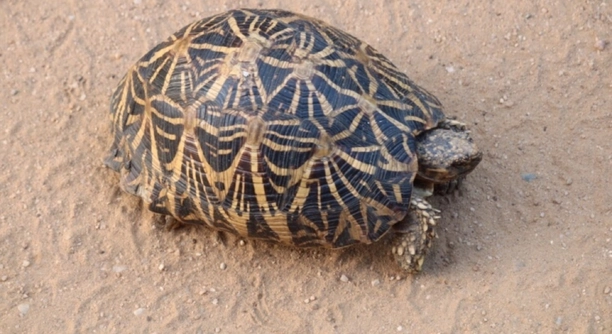
Turtles are fascinating creatures, and sometimes they display behaviors that make us wonder what’s going on. One such behavior is licking the walls of their tank. It can seem odd, but it’s actually fairly common among pet turtles.
Turtles lick the tank walls due to curiosity, the need for moisture, or even as a way of marking territory. They may also be trying to get the attention of their owners or seeking out food.
Understanding why your turtle licks the walls is essential for ensuring its comfort and well-being. In the following sections, we will explain why this happens and what you can do to address it.
Why Do Turtles Lick Tank Walls?
Turtles licking the walls of their tank is usually a behavior linked to instinct. In the wild, turtles explore their environment by touching and licking things. This helps them gather information about their surroundings. In captivity, they may continue this behavior because it’s their way of staying connected to their environment. Turtles have a keen sense of taste and smell, which they use to understand their habitat. This licking might also be an attempt to find food or moisture, especially if their tank isn’t as humid as it should be. It’s important to observe this behavior closely, as it could point to specific needs that your turtle has, whether physical or environmental.
Licking tank walls is a form of exploration and communication for turtles. They often do this to gather sensory information, which is how they make sense of their surroundings.
A dry tank can cause your turtle to lick more frequently. Turtles, like many reptiles, need proper humidity levels to thrive. If their environment is too dry, they may instinctively lick the walls to search for moisture. Keeping the tank at the right humidity level will help reduce this behavior. Similarly, if the tank isn’t big enough, they might be trying to explore areas they can’t physically reach. Turtles need plenty of space to feel secure, so it’s important to provide a sufficiently sized tank. Regular cleaning of the tank and adding hiding spots or decorations can help create a more enriching environment, which might reduce excessive licking.
How Can You Address This Behavior?
If you notice your turtle licking the tank often, it may indicate an issue with its living conditions. You should check the tank’s humidity level, as proper humidity is essential for turtle health.
If your turtle continues licking the tank walls, it could be due to the tank’s environment or the need for more stimulation. Ensure your turtle’s habitat includes the right water conditions, temperature, and enough space to explore. The water should be kept at an appropriate temperature, as this influences their activity levels and comfort. Additionally, adding plants, rocks, and other safe objects can give your turtle a richer environment to explore. If the tank’s conditions are optimal, the licking may naturally decrease. However, if the behavior persists, it’s always a good idea to check with a vet to rule out any underlying health issues.
The Importance of Proper Tank Setup
A proper tank setup is crucial for your turtle’s health and comfort. If the tank is too small or lacks the right environmental factors, your turtle will likely feel stressed and act out, such as licking the walls.
Turtles need a spacious tank to move around freely. A cramped space can cause anxiety, prompting them to try and find a way out, which may lead to licking. The water should be clean and at the right temperature to keep them comfortable. Make sure you’ve included areas for basking, hiding, and exploring. This will not only reduce the licking but also promote better overall well-being.
In addition to space and water conditions, lighting is just as important. Turtles rely on proper UVB lighting to metabolize calcium and stay healthy. Without it, they may exhibit unusual behaviors. Be sure your turtle has access to both heat and UVB lights throughout the day. With the right setup, your turtle will feel secure in its home and less likely to engage in behaviors like licking the tank walls.
Tank Cleanliness and Maintenance
Keeping the tank clean is another key factor in minimizing licking behavior. Dirty water or algae buildup can lead to discomfort for your turtle.
Regular cleaning prevents harmful bacteria from accumulating, which could cause your turtle to act strangely. Licking may increase if the water is murky or unpleasant. It’s important to change the water regularly and scrub the tank walls to avoid any buildup. You should also clean the filters to ensure water stays fresh. This not only improves your turtle’s environment but also reduces stress.
Along with cleaning, it’s essential to maintain the tank’s water quality by using a reliable filtration system. A good filter will keep the water clean and remove waste, preventing odors or harmful substances. If your turtle is constantly licking the walls of a dirty tank, it may be their way of trying to find a cleaner, more suitable environment.
Tank Size and Space
Turtles need a spacious tank to feel comfortable. If the tank is too small, they may feel restricted and act out, including licking the tank walls.
A larger tank allows your turtle to swim freely and explore. If the tank size is inadequate, your turtle will likely feel stressed, leading to repetitive behaviors like licking. Ensuring ample space reduces stress and helps maintain your turtle’s well-being.
Humidity and Temperature Control
Turtles require proper humidity and temperature for their health. Licking the walls can occur if the tank is too dry.
Maintaining a steady temperature is essential for your turtle’s comfort. A warm, humid environment helps keep their skin moist and aids in digestion. You should check the temperature regularly, using a thermometer to make sure it remains within the ideal range.
FAQ
Why does my turtle lick the tank walls?
Turtles lick the tank walls for a few different reasons. It could be out of curiosity, as they are naturally explorative creatures. They may also be trying to find moisture, especially if the humidity in their tank is too low. Another possibility is that they are searching for food or even attempting to get your attention. If the tank is too small or lacks proper enrichment, this behavior may also indicate that your turtle is stressed or bored.
How do I stop my turtle from licking the tank walls?
To reduce the licking behavior, start by ensuring your turtle’s tank has the proper environment. Make sure the tank is large enough for them to move around comfortably. Adding more hiding spots, plants, and things to explore can make the space more stimulating. Also, check the humidity levels and temperature. A more balanced environment will reduce stress, which could be a major cause of the licking.
Can low humidity cause my turtle to lick the tank walls?
Yes, low humidity can cause your turtle to lick the tank walls. Turtles, particularly aquatic species, require a specific level of humidity to stay healthy. If the air is too dry, they may instinctively lick the walls in an attempt to find moisture. Increasing the humidity in their tank will help stop this behavior.
Should I be worried if my turtle keeps licking the tank?
While occasional licking isn’t usually a cause for concern, if the behavior is constant, it could indicate an issue. It’s essential to check the tank’s environment, including temperature, humidity, and tank size. If everything seems fine and the licking continues, a visit to the vet may be necessary to rule out health problems or nutritional deficiencies.
How often should I clean my turtle’s tank?
You should clean your turtle’s tank at least once a week. Regular cleaning helps keep the water free from algae, waste, and bacteria, which could make your turtle uncomfortable. It’s also essential to clean the filter regularly, as this helps maintain water quality. By ensuring a clean environment, you can help prevent stress-related behaviors, like licking the tank walls.
Can my turtle be stressed if it licks the tank walls a lot?
Yes, excessive licking can be a sign of stress. Turtles may lick the tank walls if they feel confined, uncomfortable, or bored. Factors like a small tank, poor water conditions, or lack of enrichment can cause this stress. Providing a larger tank, better humidity levels, and more things for your turtle to interact with will help ease their stress and reduce the licking.
How do I make my turtle’s environment more enriching?
To make your turtle’s environment more enriching, add plants, rocks, and other decorations to the tank. These items provide your turtle with places to hide and explore, which can reduce stress. You can also add a basking area and make sure the tank is well-lit, with both heat and UVB lamps, to simulate their natural habitat. The more stimulating the environment, the less likely your turtle will engage in repetitive behaviors like licking the walls.
Is it normal for turtles to lick everything in their tank?
It’s normal for turtles to explore their environment by licking objects in their tank. This behavior is part of their natural instincts to gather sensory information. However, if they are constantly licking the walls or doing so excessively, it might indicate an environmental or health issue that needs to be addressed.
Can I change my turtle’s tank size to stop the licking?
Yes, increasing the tank size can help reduce licking. If your turtle is feeling cramped or restricted, they might exhibit signs of stress, including licking the tank walls. A larger tank gives your turtle more space to explore and reduces the likelihood of stress-related behaviors. Ensure the tank is large enough to allow your turtle to move freely and feel secure.
Do turtles need UVB light to stop licking the tank walls?
Turtles do need UVB light for their overall health, but it’s not directly related to licking the tank walls. However, if the tank is lacking UVB lighting, your turtle may feel uncomfortable and stressed. UVB light helps them synthesize vitamin D3, which is vital for calcium metabolism. Without proper UVB lighting, your turtle could develop health problems that may lead to stress and abnormal behaviors, such as licking the tank walls.
Final Thoughts
Turtles licking the walls of their tank can be puzzling, but it’s often a behavior that stems from a variety of factors. While it can be seen as a normal action for exploration, it’s important to understand why your turtle might be doing it. It’s usually a sign of curiosity or a need for moisture, especially if the tank’s humidity is low. However, excessive licking can also point to environmental issues such as stress, lack of space, or poor water quality. By paying close attention to your turtle’s living conditions, you can address the root cause of this behavior.
Providing the right tank setup is key to keeping your turtle happy and healthy. A spacious tank with appropriate humidity levels and clean water will reduce the chances of licking. Turtles need a proper basking area and adequate lighting to maintain their well-being, as these factors impact their overall comfort. Ensuring your turtle has a stimulating environment, with places to explore and hide, is essential. When your turtle feels secure in its environment, it will be less likely to engage in repetitive behaviors like licking the tank walls.
If you’ve already made adjustments to the tank but the licking continues, it might be a good idea to consult with a vet. Persistent licking could sometimes indicate a health issue, such as a nutritional deficiency or skin problem. A professional can help ensure your turtle is not experiencing any discomfort that might be causing it to act out. By keeping your turtle’s environment clean and balanced, you can prevent stress and promote a happier, healthier life for your pet.

Hello,
If you enjoy the content that we create, please consider saying a "Thank You!" by leaving a tip.
Every little bit helps us continue crafting quality advice that supports the health, happiness, and well-being of pets around the world, for pets of all shapes, sizes, and species.
We really appreciate the kindness and support that you show us!