
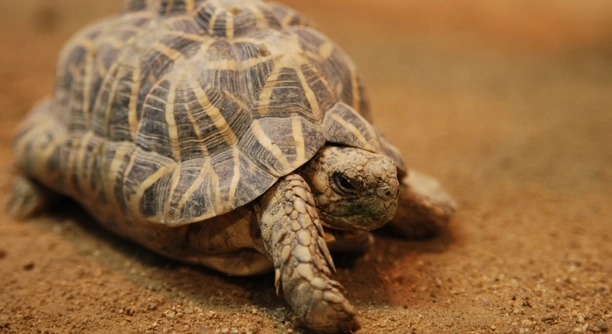
Turtles are fascinating creatures, and as pet owners, we want to ensure their health and well-being. One issue that may arise is a chipped beak, which can be concerning for both the turtle and its owner.
A chipped beak in turtles is typically caused by factors such as improper diet, lack of proper environmental conditions, or injury. In some cases, it can be a sign of an underlying health problem that needs attention.
Understanding the reasons behind a turtle’s beak damage is essential for ensuring its recovery. We’ll discuss what may be causing the chipping and how to address the issue for better health.
Why Does a Turtle’s Beak Chip?
A turtle’s beak can chip for several reasons, some of which may be easy to address. The most common causes are poor diet, insufficient care, and injury. For instance, feeding a turtle hard or improper foods can cause wear on its beak. Sometimes, physical trauma can also lead to chipping. Additionally, the lack of proper UVB light, which is vital for calcium absorption, can weaken a turtle’s beak over time. This is especially true for those kept in an environment lacking proper sunlight or artificial lighting. Beak damage can also occur from a lack of calcium in their diet, which is essential for strong, healthy bones and shells.
A proper diet, adequate UVB lighting, and a safe environment all play significant roles in preventing such issues.
Regular checkups and a well-maintained habitat ensure your turtle stays healthy and its beak remains intact. Be mindful of its nutrition and living conditions to avoid unnecessary wear and tear.
Preventing Beak Chipping Through Proper Care
The key to preventing beak chipping is a balanced diet rich in calcium and other nutrients.
Turtles require a varied diet that includes both animal protein and plant matter. Offering leafy greens, vegetables, and insects provides the necessary vitamins. Additionally, a calcium supplement should be added to their food or provided through cuttlebone. Along with a healthy diet, UVB lighting is essential. Turtles need exposure to UVB rays to synthesize Vitamin D3, which helps them absorb calcium properly. Without this, their bones and beak can weaken, making them more prone to damage. Keep in mind that the lighting needs to be both UVB-specific and placed correctly in the tank. Regular access to natural sunlight, when possible, is also highly beneficial.
Adjusting your turtle’s diet and habitat is essential to its long-term health. When properly cared for, the risk of beak chipping significantly reduces.
Diet and Nutrition
A well-balanced diet is crucial for preventing a turtle’s beak from chipping. Without the right nutrients, the beak can weaken, making it more vulnerable to damage.
Turtles need a mix of protein, vegetables, and calcium to stay healthy. Protein-rich foods like insects and worms support growth, while leafy greens, like collard greens and dandelion leaves, provide essential vitamins. Calcium is particularly important for a strong beak, shell, and bones. If your turtle isn’t getting enough calcium from food, consider adding a cuttlebone or calcium powder to their meals. This will help them maintain a healthy beak and avoid damage.
Be mindful of what your turtle consumes. Overfeeding high-protein foods, like meat or fish, can lead to an imbalance. Make sure to provide a mix of plant-based foods alongside protein sources for the best results. Regularly change the food variety to ensure all nutrient requirements are met.
Safe Habitat and Environment
An ideal habitat can help prevent stress, which may contribute to beak damage.
Proper tank conditions, including temperature, humidity, and UVB light, directly affect your turtle’s health. A temperature gradient in the tank allows the turtle to regulate its body heat. Warm areas encourage feeding and digestion, while cooler areas offer a comfortable retreat. UVB lighting is equally important. Without UVB rays, turtles cannot properly absorb calcium, which weakens their bones and beak. The correct lighting setup ensures that your turtle gets the necessary exposure, especially if they’re kept indoors.
Keep the tank clean, with appropriate hiding spots and room to swim. A clean, stress-free environment can reduce the chances of your turtle becoming injured. If your turtle is constantly bumping into sharp objects or trying to escape, it might experience beak wear or trauma.
Injury and Trauma
Injury is another common reason why a turtle’s beak may chip. Bumping into sharp objects or rough handling can cause damage to the delicate beak.
Turtles can sometimes injure themselves when they are kept in environments that are not properly set up. Avoid sharp tank decorations or objects that could harm the turtle. Always handle your pet gently and avoid causing unnecessary stress, which could lead to accidents.
Beak Overgrowth and Trimming
A turtle’s beak can also chip if it grows too long. Overgrowth can happen when the beak isn’t naturally worn down.
If the beak becomes overgrown, it may need to be trimmed. This should only be done by a professional or veterinarian. Regularly monitoring your turtle’s beak for any signs of overgrowth will help prevent long-term damage. Overgrown beaks can interfere with eating and lead to other health issues.
FAQ
What should I do if my turtle’s beak is chipped?
If your turtle’s beak is chipped, it’s important to first assess the severity. If the damage is minor, it may heal on its own over time, especially with proper care. However, if the chipping is more severe or causing your turtle pain, you should consult a veterinarian. They can offer professional advice and may trim or treat the beak if necessary. It’s also vital to ensure your turtle has access to the right diet and environment to prevent further damage.
Can a chipped beak heal on its own?
In some cases, a chipped beak can heal naturally, but it depends on the extent of the damage. Minor chipping may gradually smooth out as the beak continues to grow, especially if the turtle is in a stress-free environment with a balanced diet. However, if the chip is deep or causing problems, professional care might be needed to avoid infection or other health issues.
How can I prevent my turtle’s beak from chipping?
To prevent beak chipping, maintain a balanced diet, proper lighting, and a safe habitat for your turtle. Ensure your turtle is getting enough calcium and Vitamin D3 through a good mix of plant matter, protein, and supplements. Keep the tank clean and free of sharp objects. Also, ensure the tank is well-lit with UVB light to help your turtle absorb nutrients correctly.
How often should I check my turtle’s beak?
Checking your turtle’s beak regularly is essential for its overall health. Ideally, inspect your turtle’s beak every time you clean its tank or feed it. Look for any signs of damage, overgrowth, or changes in texture. Early detection can help you address any issues before they become severe. If you notice any chips, cracks, or unusual wear, consult with a veterinarian.
What should I feed my turtle to strengthen its beak?
A well-rounded diet that includes plenty of calcium, protein, and vitamins is essential for a healthy beak. Offer a mix of leafy greens, vegetables, and small amounts of animal protein like insects or fish. To ensure sufficient calcium intake, add cuttlebone to their tank or sprinkle calcium powder on their food. This helps to keep the beak strong and healthy.
Is it safe to trim my turtle’s beak myself?
Trimming a turtle’s beak is not something you should attempt on your own unless you have specific training or experience. Improper trimming can cause pain, infection, or further damage. It’s best to have a professional, such as a veterinarian, perform this task. If the beak overgrowth is a recurring issue, a vet can also provide advice on how to manage it.
Can stress cause my turtle’s beak to chip?
Yes, stress can contribute to physical issues, including beak damage. Stress in turtles can come from poor tank conditions, improper handling, or inadequate space. If your turtle is constantly stressed, it might try to escape or interact with objects in the tank in ways that can damage its beak. Keeping the tank environment calm, clean, and safe is crucial to preventing stress-related damage.
What are signs that my turtle’s beak is too long?
Signs of overgrowth or a too-long beak include difficulty eating, a visible gap in the beak, or abnormal wear. If the beak is preventing your turtle from properly biting or tearing food, it’s likely overgrown. You may also notice that the beak appears longer than usual or uneven. In these cases, it’s important to have the beak professionally checked and trimmed by a vet.
Can beak damage lead to other health issues in turtles?
Yes, untreated beak damage can lead to other health problems. For instance, a chipped or weakened beak can make eating difficult, which can result in malnutrition or weight loss. In some cases, it may even become infected if the chip exposes sensitive tissue. Furthermore, an unhealthy beak can affect your turtle’s ability to perform natural behaviors, such as hunting or foraging, impacting their overall well-being.
How can I make sure my turtle gets enough calcium?
To make sure your turtle gets enough calcium, feed them foods rich in calcium, such as dark leafy greens (e.g., kale, collard greens) and vegetables like broccoli. You can also provide cuttlebone or a calcium supplement. If your turtle is primarily aquatic, ensure it has access to UVB light, which is essential for the proper absorption of calcium and Vitamin D3.
What other health issues can affect my turtle’s beak?
Apart from injury, poor diet, and stress, other health issues like metabolic bone disease (MBD) can also affect your turtle’s beak. MBD results from a lack of calcium and can lead to soft or brittle bones, including the beak. This condition can make the beak more prone to chipping or cracking. Always ensure your turtle has proper lighting, a well-balanced diet, and regular checkups to catch any potential health issues early.
How long does it take for a turtle’s beak to grow back?
The growth rate of a turtle’s beak can vary depending on the species and its overall health. On average, a turtle’s beak will grow back slowly over time. However, it may take several months for a minor chip to become less noticeable. Regular care and monitoring will help the healing process along, and ensuring a proper diet will help maintain strong beak growth.
Are there any home remedies for a chipped beak?
It’s not recommended to treat a chipped beak with home remedies, as improper care could cause further harm. While minor chipping may heal naturally, more severe damage should always be evaluated by a veterinarian. Home remedies like applying topical ointments can be risky and might lead to infection or irritation. Always seek professional care if the damage seems significant.
Can different types of turtles have different beak issues?
Yes, different species of turtles can have varying susceptibility to beak issues based on their diet, environment, and genetics. For example, aquatic turtles may be more prone to calcium deficiencies if they aren’t exposed to UVB light, while terrestrial species may face issues with their beaks due to a lack of natural wear from the environment. Understanding your turtle’s specific needs can help prevent beak problems.
What role does UVB lighting play in beak health?
UVB lighting is crucial for your turtle’s overall health, particularly for proper calcium absorption. Without UVB exposure, turtles can develop soft, brittle bones, including their beaks. UVB light helps turtles produce Vitamin D3, which is necessary for absorbing calcium from their food. Ensure that your turtle has access to UVB lighting for at least 10–12 hours a day to maintain a healthy beak and shell.
Final Thoughts
Taking care of a turtle’s beak is an important part of ensuring their overall health. A chipped or damaged beak can lead to problems with eating, and over time, it could cause nutritional imbalances. Preventing beak damage starts with providing the right environment, a balanced diet, and adequate care. Regularly checking your turtle’s beak for any signs of wear or damage is a simple yet crucial step. If you notice anything unusual, it’s always best to consult with a veterinarian to avoid further complications.
Diet plays a significant role in maintaining a healthy beak. Turtles need a proper mix of protein, calcium, and vitamins to keep their beaks strong and to avoid overgrowth or brittleness. Supplements like cuttlebone can help provide essential calcium, especially for those in indoor environments without access to natural sunlight. Along with calcium, UVB lighting is essential for calcium absorption. Ensuring your turtle gets a proper amount of both nutrients and light will help prevent issues like chipping and weakening. It’s also important to keep their habitat safe, with no sharp objects or decorations that could cause injury to their beak.
If you notice a chipped beak, it’s not always a cause for panic, but it should be addressed. Minor chips can heal on their own with proper care, but deeper damage may require veterinary attention. Keeping your turtle’s environment clean, stress-free, and enriched with the right diet can prevent many common health problems, including beak issues. By staying proactive and observant, you’ll help your turtle live a long, healthy life, free from unnecessary complications. Always remember that taking small steps today, like maintaining a balanced diet and providing proper lighting, can make a big difference in your turtle’s well-being in the future.

Hello,
If you enjoy the content that we create, please consider saying a "Thank You!" by leaving a tip.
Every little bit helps us continue crafting quality advice that supports the health, happiness, and well-being of pets around the world, for pets of all shapes, sizes, and species.
We really appreciate the kindness and support that you show us!