
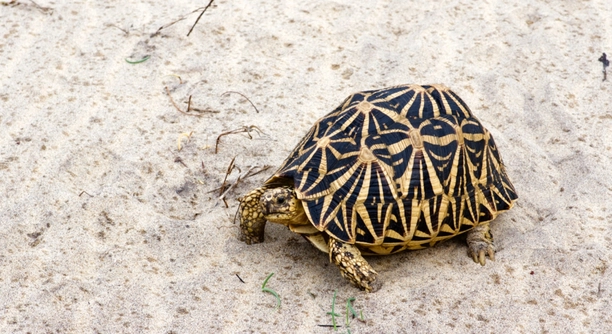
Turtles are fascinating creatures, but keeping their tank water clear can be a challenge. The right care and maintenance will keep their environment clean and healthy. Here are seven ways to ensure your turtle’s tank stays in top shape.
Maintaining clear water in a turtle’s tank requires regular cleaning, proper filtration, and mindful feeding. Adding live plants and ensuring the water has the right chemical balance are also essential for preventing algae and maintaining a healthy habitat.
By following these tips, your turtle will thrive in a clean and clear environment. Keep reading to learn how to achieve crystal-clear water while ensuring your turtle’s well-being.
Keep the Tank Clean with Regular Water Changes
One of the most effective ways to maintain clear water is to perform regular water changes. Turtles are messy creatures, and their waste can quickly build up, affecting water quality. Changing about 25-30% of the water every two weeks helps reduce the waste, bacteria, and algae growth. It’s essential to remove any uneaten food as well, as it can decay and pollute the water. Regular water changes prevent the tank from becoming too dirty, keeping your turtle’s environment healthier.
Using a water testing kit can help monitor the water quality. Ensure that levels of ammonia, nitrites, and nitrates are kept in check. If they’re too high, your turtle could be exposed to harmful toxins. Clean water not only helps keep your turtle healthy, but it also makes the tank look nicer.
When performing water changes, be sure to use a water conditioner to remove chlorine or chloramine from tap water. These chemicals can harm both your turtle and any beneficial bacteria in the filter. Keeping the water at a comfortable temperature is also important, as drastic changes can stress your turtle. A consistent cleaning routine will go a long way in keeping the tank water clear.
Choose the Right Filter for Your Tank
A good filter is essential for maintaining clear water.
Select a filter designed specifically for turtle tanks. These filters handle the extra waste that comes with turtles and help prevent the buildup of harmful substances. Make sure to clean the filter regularly to keep it working at its best.
Remove Uneaten Food
Leftover food can cloud the water quickly.
After feeding your turtle, check if any food remains uneaten. Use a net or siphon to remove it, as it can decompose and cause water pollution. You should do this every day to keep the water fresh and clear. If your turtle is overeating, adjust the amount you feed to avoid waste buildup.
In addition to uneaten food, waste such as turtle droppings should be cleaned up as soon as possible. A buildup of debris, including plant matter, can lead to cloudy water. Regular removal of waste will keep harmful bacteria from growing. Make sure to feed your turtle the appropriate amount of food for its size, and monitor the tank daily.
To prevent waste from accumulating in the first place, try feeding your turtle in a separate container. This ensures the tank stays cleaner for longer, as food debris won’t settle into the substrate or water. Cleaning up quickly will save you time and effort in the long run.
Maintain a Healthy Tank Temperature
Water temperature plays a big role in the tank’s cleanliness.
Turtles need water that’s warm enough for digestion, but not too hot. The ideal temperature range is between 75°F and 85°F. If the water is too cold, it can slow down your turtle’s metabolism and contribute to waste buildup. A proper temperature will encourage your turtle to be more active and help prevent stagnant conditions in the tank.
Using an aquarium heater can help maintain the correct temperature. Make sure it’s rated for the size of your tank to avoid overheating or underheating. Regularly check the water temperature with a reliable thermometer, and adjust the heater as needed. Temperature fluctuations can stress your turtle and disrupt the filtration process, which affects water clarity.
Use Live Plants in the Tank
Live plants can help maintain clean water.
Plants naturally absorb excess nutrients and provide hiding spaces for your turtle. They help prevent algae from growing by competing for the same nutrients. Make sure to choose hardy, turtle-friendly plants that can survive the conditions in the tank.
Adding live plants not only improves water quality, but it also provides a more natural environment for your turtle. They’ll enjoy having areas to explore and rest in. Plants like anacharis, java fern, and hornwort are excellent choices. Make sure to trim any overgrown plants to prevent them from taking over the tank.
Limit the Use of Chemicals
Avoid overusing chemicals in your turtle’s tank.
Chemical treatments should only be used when necessary. Excessive use of water conditioners, algae treatments, or cleaning agents can harm both your turtle and the beneficial bacteria in the filter. Opt for natural methods instead of relying heavily on chemicals to keep the water clean.
Invest in a UVB Light
UVB light is crucial for turtle health.
Turtles need UVB light to properly absorb calcium and maintain strong shells. A UVB light also helps regulate their natural day-night cycle. If you don’t provide the right lighting, your turtle’s overall health can suffer, and water quality might decline.
FAQ
How often should I change the water in my turtle tank?
Water changes are essential for keeping your turtle’s tank clean. You should change about 25-30% of the water every two weeks. If the tank is heavily polluted or the water seems cloudy, you might need to do a water change more frequently. Always remove uneaten food and waste daily to reduce the buildup of harmful bacteria and waste. The cleaner the water, the healthier your turtle will be.
Can I use tap water for my turtle tank?
You can use tap water, but it’s important to treat it first. Tap water often contains chlorine or chloramine, which are harmful to turtles. Always use a water conditioner to remove these chemicals before adding it to the tank. If possible, let the water sit for 24 hours to allow any residual chlorine to dissipate naturally.
What type of filter is best for a turtle tank?
For turtle tanks, it’s important to use a filter that can handle a larger bio-load. Turtles produce more waste than fish, so you need a filter that can process that efficiently. Look for a filter that is rated for a tank size larger than your actual tank, as this will ensure better filtration. Canister filters, external filters, or powerful internal filters are good options. Make sure to clean the filter regularly to prevent clogging and ensure it works properly.
How do I keep my turtle tank water clear without chemicals?
The best way to keep your turtle’s water clear naturally is by maintaining good filtration, regular water changes, and proper feeding habits. Remove uneaten food and waste daily, as they can quickly pollute the water. Adding live plants can also help absorb excess nutrients and prevent algae growth. A UVB light can help prevent bacteria and algae from flourishing.
How do I prevent algae growth in my turtle tank?
Algae thrive in tanks where there is too much light and excess nutrients. To prevent algae growth, limit the amount of direct sunlight the tank gets. You should also be mindful of feeding. Uneaten food contributes to nutrient buildup, which feeds algae. Using a good filter to remove excess nutrients will also help. Adding live plants can help absorb nutrients before algae can use them.
What is the best temperature for turtle tank water?
The water temperature should be between 75°F and 85°F for most turtle species. If the water is too cold, your turtle will not be able to digest its food properly, which can lead to waste accumulation and water quality issues. Using an aquarium heater with a thermostat will help maintain a stable temperature. Avoid drastic temperature changes, as they can stress your turtle.
How do I clean my turtle tank without stressing my turtle?
Cleaning your turtle tank carefully and regularly is important to avoid stressing your turtle. Always remove your turtle and place it in a safe, temporary environment while cleaning the tank. Use a siphon to remove debris and waste from the bottom, and scrub the sides with a soft brush to avoid damaging the tank’s surfaces. Avoid using harsh chemicals or strong-scented cleaners, as they can harm both your turtle and the environment inside the tank.
Do I need to use a heater in my turtle’s tank?
Yes, most turtles need a heater in their tank to maintain a proper water temperature. Without the right temperature, your turtle could experience health problems, including issues with digestion and immune function. Be sure to choose a heater suitable for the size of your tank, and monitor the temperature with a thermometer. Adjust as needed to keep it within the ideal range.
How can I tell if my turtle’s tank water is unhealthy?
Unhealthy tank water can look cloudy, have a strong odor, or be discolored. If the water has a strong smell or seems dirty despite regular cleaning, it could be a sign of poor filtration or excess waste. Regularly check the water parameters, including ammonia, nitrite, and nitrate levels, using a water testing kit. If they’re out of balance, take immediate action to improve the water quality.
Why is my turtle tank water cloudy?
Cloudy water can occur for a few reasons. One common cause is excess nutrients from uneaten food, waste, or decaying plants. Poor filtration can also contribute to cloudy water. Another cause might be bacterial bloom, which is a rapid growth of bacteria in the tank due to an imbalance in the water. To fix this, ensure regular cleaning, good filtration, and appropriate feeding habits. If necessary, do a partial water change to clear the tank.
How do I clean algae off the tank glass?
Algae buildup on the glass can be cleaned using an algae scraper or a soft sponge. Be gentle to avoid scratching the glass. You can also use a plastic scraper for stubborn spots. Avoid using any harsh chemicals or abrasives that could harm your turtle or damage the tank. Regular cleaning helps prevent algae from taking over.
Can I put my turtle in a larger tank?
Yes, a larger tank is generally better for your turtle. A larger tank provides more space for your turtle to move around and helps keep the water cleaner. It also makes it easier to manage the water quality, as there is more volume for the filter to process. Make sure the tank is appropriate for the size of your turtle and includes a basking area and UVB lighting.
How do I handle a turtle tank’s filter clogging?
If your filter is clogged, it’s important to clean it promptly. First, turn off the filter and remove it from the tank. Clean the filter media (sponges, cartridges, etc.) with tank water (never tap water) to preserve beneficial bacteria. If debris is stuck in the intake or outflow pipes, gently clear it with a brush or a pipe cleaner. Clean the filter regularly to prevent it from getting clogged and affecting water quality.
What can I do if my turtle’s shell is getting soft?
If your turtle’s shell is soft, it could be due to a calcium deficiency. Ensure your turtle is getting enough calcium in its diet, either from cuttlebone, calcium supplements, or by offering calcium-rich foods like leafy greens. Additionally, make sure your turtle is getting enough UVB light, as this helps with calcium absorption. If the problem persists, consult a vet to rule out other health issues.
Final Thoughts
Maintaining clear water in your turtle’s tank is essential for both their health and the appearance of the tank. Regular maintenance, including water changes, waste removal, and proper filtration, ensures that the environment remains clean and healthy for your turtle. By staying on top of these tasks, you help reduce the chance of water quality problems, which can lead to stress and illness for your turtle. Keeping the tank in top condition doesn’t require too much effort if you stick to a routine and make small adjustments when needed.
Adding natural elements like live plants to the tank can help improve water quality and prevent algae growth. These plants absorb excess nutrients in the water, which would otherwise contribute to cloudy or dirty water. A balanced tank environment that includes the right plants, proper filtration, and careful feeding goes a long way in ensuring that your turtle’s habitat stays clean and clear. Overfeeding is a common mistake that leads to water pollution, so be mindful of the amount of food your turtle is getting and remove any uneaten food promptly.
Your turtle’s well-being depends on the environment you provide. By managing the temperature, lighting, and water quality, you’re helping your turtle live a longer and healthier life. Investing in good filtration, using water conditioners when needed, and avoiding harsh chemicals will also protect the health of both your turtle and the tank’s ecosystem. It may take some time to find the right balance, but once you’ve established a good routine, it becomes much easier to keep the tank water clear and your turtle happy.

Hello,
If you enjoy the content that we create, please consider saying a "Thank You!" by leaving a tip.
Every little bit helps us continue crafting quality advice that supports the health, happiness, and well-being of pets around the world, for pets of all shapes, sizes, and species.
We really appreciate the kindness and support that you show us!