
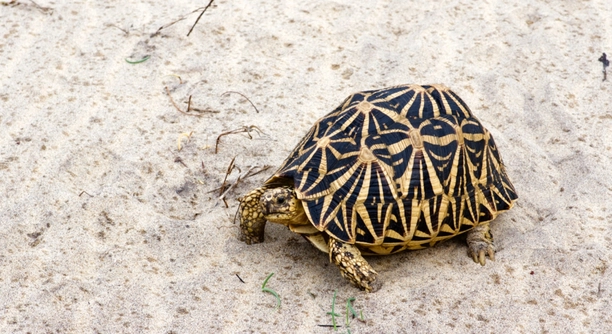
Turtles are wonderful pets, but sometimes their water can begin to smell unpleasant. This can be an indication of several issues that need attention. Understanding why your turtle’s water smells is essential for its health.
The main reasons for bad-smelling water in your turtle’s tank usually include excess waste, inadequate filtration, or overfeeding. Bacteria thrive in dirty water, producing unpleasant odors. Maintaining a clean tank and proper feeding habits can prevent this problem.
Proper care and simple changes can greatly improve your turtle’s environment. By addressing the common causes, you can ensure a healthier, more pleasant living space for your turtle.
1. Overfeeding Your Turtle
One of the most common reasons for smelly water in a turtle tank is overfeeding. When you give your turtle more food than it can eat, leftovers start to rot in the water. This decaying food attracts bacteria, which create an unpleasant odor. You may notice that the water smells worse after feeding time if your turtle doesn’t consume everything.
Feeding your turtle in moderation is key. Stick to the recommended portion sizes based on its age and size to avoid excess food waste.
To maintain a clean tank, remove uneaten food as soon as possible. This will help prevent buildup and keep the water fresher for longer. Consider feeding your turtle at specific times so you can better control what’s left behind.
2. Inadequate Filtration
A weak or poorly maintained filter can lead to dirty water. Filters help to break down waste and keep the tank water clean. Without a good filter, the buildup of waste from your turtle’s droppings, leftover food, and natural oils can lead to foul-smelling water.
Regular maintenance is essential for the filter. Clean or replace the filter media every few weeks to prevent clogs and ensure it works efficiently.
Without proper filtration, the water can turn murky and smelly very quickly. Invest in a high-quality filter that suits the size of your tank, and make sure it’s working well. You may also want to add a supplemental water change routine to keep things fresh.
3. Dirty Tank and Decorations
A dirty tank and decorations are another reason for smelly water. Algae, waste, and bacteria can collect on the surfaces of rocks, plants, and the tank walls. These buildup layers can make the water stink.
Regularly clean the tank, decorations, and any rocks or plants. Wipe down surfaces and remove visible debris. Scrub tank walls to avoid algae growth, and rinse decorations thoroughly when cleaning.
Changing the water regularly is essential. If algae build-up is a problem, consider using a small algae scraper to help with removal. This will reduce odors and create a healthier environment for your turtle.
4. Unstable Water Temperature
Water temperature plays a huge role in maintaining a clean tank. If the water is too warm or cold, it can affect the growth of bacteria, leading to foul smells. Warm water speeds up bacteria growth, while cold water can slow down your turtle’s digestion, contributing to waste build-up.
Maintain a consistent water temperature of about 75°F to 80°F. Use a reliable heater to keep the water within the ideal range. Regularly check the temperature to avoid fluctuations that may cause an imbalance in the tank.
If you notice the temperature fluctuating, it may also be time to clean the heater or check for any malfunctions. Keeping the water stable will prevent odor-causing bacteria from multiplying.
5. Infrequent Water Changes
Water changes are crucial for keeping your turtle’s environment fresh. If you only change the water once in a while, waste and debris will build up, leading to a bad smell. The longer you leave dirty water, the worse it gets.
Try to change about 25-30% of the water every week. This will help reduce the buildup of waste and bacteria. Fresh water will prevent unpleasant odors and create a healthier space for your turtle to live in.
6. Poor Diet and Digestion
Turtles’ diets also affect water quality. If they eat too much protein or fatty food, their waste can become more pungent. Poor digestion can lead to more waste being released into the water, which then contributes to foul smells.
Make sure your turtle’s diet includes a balance of vegetables, protein, and occasional treats. A healthy diet will not only keep your turtle in good shape but also help prevent water from smelling bad.
7. Water Quality and pH Imbalance
Poor water quality or an imbalanced pH can also lead to bad odors. If the water is too acidic or too alkaline, it may promote the growth of odor-causing bacteria. Regular testing is essential to keeping the water healthy.
Use a water testing kit to check the pH, ammonia, and nitrate levels. Keeping the water balanced helps control the growth of harmful bacteria. If necessary, add water conditioners or change the water more frequently to improve the quality.
FAQ
Why does my turtle’s water smell even after cleaning?
If the water still smells after cleaning, it’s likely that there’s still bacteria in the tank. Sometimes, leftover waste or food particles can be hiding in hard-to-reach places. Double-check decorations, plants, and the filter. You may also need to clean the filter more thoroughly or replace the filter media.
How often should I change my turtle’s water?
You should change 25-30% of the water every week. This helps reduce waste buildup, prevents bad smells, and maintains the water’s quality. If your tank is heavily populated or not well-filtered, you may need to do more frequent water changes.
Can I use any filter for my turtle tank?
No, not all filters are suitable for a turtle tank. Turtles need a filter that can handle both their waste and the debris they produce. Choose a filter with a high flow rate, preferably one that can filter the entire tank’s volume several times per hour.
How can I prevent algae from growing in my turtle’s tank?
Algae thrives in tanks with high light exposure and excess nutrients. Limit how much direct sunlight your tank gets, and clean the glass regularly to remove algae. If algae growth is persistent, consider using an algae scraper, or even introduce algae-eating species like snails.
What kind of water conditioner should I use for my turtle’s tank?
Use a water conditioner that neutralizes chlorine and chloramine if you’re using tap water. Look for one that’s safe for both turtles and aquatic plants. Some conditioners also help balance pH levels and remove heavy metals from the water. Always follow the recommended dosage.
Is it okay to feed my turtle in the tank?
It’s okay to feed your turtle in the tank, but make sure to remove any uneaten food after feeding. Leftover food can quickly decay and cause foul smells. If you notice the water turning murky or smelly soon after feeding, try feeding your turtle outside of the tank.
Can I add plants to my turtle tank?
Yes, you can add plants, but make sure they’re turtle-safe. Some plants may be eaten by your turtle, while others may not thrive in a turtle tank due to the water conditions. Live plants can help improve water quality by absorbing nutrients, but be sure to monitor their condition regularly.
How do I know if my turtle’s tank water is safe?
Test the water regularly for ammonia, nitrites, nitrates, and pH levels. Water that’s not in the proper range can harm your turtle. Invest in a water test kit and check for any signs of imbalance. Water should be slightly alkaline with a pH between 7.5 and 8.5.
Can I use soap to clean my turtle’s tank?
No, never use soap or chemical cleaners in your turtle’s tank. Soap residues can be toxic to your turtle. Instead, use warm water and a soft brush to clean the tank, decorations, and filter. For stubborn stains or algae, you can use a vinegar solution (diluted with water).
How do I keep the water at the right temperature?
Use an aquarium heater to maintain a consistent temperature between 75°F and 80°F. Avoid drastic temperature fluctuations as it can stress your turtle. Monitor the water temperature with an aquarium thermometer to ensure it stays within the ideal range.
Why is my turtle’s water so cloudy?
Cloudy water is often caused by an overload of waste, poor filtration, or an imbalance in the tank’s ecosystem. Check your filter, perform a water change, and test water parameters. Cloudy water may also result from bacterial blooms, which can be resolved by adjusting the filter or cleaning the tank.
How do I prevent overfeeding my turtle?
Stick to a regular feeding schedule and offer portions based on your turtle’s size and age. Most turtles eat only once a day or every other day. If your turtle consistently leaves food behind, you may be offering too much. Remove uneaten food within 30 minutes to avoid waste buildup.
Are there any specific foods that can make my turtle’s water smell worse?
Yes, high-protein or fatty foods, such as certain types of meat or fish, can cause stronger-smelling waste. Stick to a balanced diet with a mix of leafy greens, vegetables, and occasional protein. Overfeeding protein can also increase waste production, contributing to bad odors.
Should I remove my turtle from the tank when cleaning it?
Yes, it’s best to remove your turtle while you clean the tank. This ensures you can thoroughly clean the tank and filter without stressing your turtle. Place your turtle in a safe temporary container with water while you perform the cleaning tasks.
How can I reduce the smell without frequent water changes?
To reduce smell, ensure your filter is strong and efficient. Consider adding a biological filter to help break down waste. You can also use a turtle-safe water additive to help control bacteria growth. Still, water changes remain essential for overall tank health.
Why does my turtle’s water smell like rotten eggs?
The smell of rotten eggs usually indicates a buildup of sulfur-producing bacteria. This can happen when the water is stagnant, and the tank is not filtered properly. Increase water circulation, change the water more frequently, and ensure your filter is working properly to prevent this.
Final Thoughts
Taking care of a turtle involves more than just feeding and providing a safe space for it to swim. Keeping the water clean is one of the most important aspects of turtle care. If your turtle’s water starts to smell bad, it’s usually a sign of something that needs attention, whether it’s overfeeding, poor filtration, or an imbalance in the tank. By understanding the main causes of smelly water and making simple adjustments, you can improve the quality of the water and create a better environment for your turtle.
Consistency is key when it comes to maintaining a clean tank. Regular water changes, cleaning the filter, and removing uneaten food will help prevent waste buildup. It’s also important to monitor the water temperature and ensure the right balance in the tank. Turtles are sensitive to changes in their environment, so making sure the water stays clean and the conditions stay stable is crucial for their health and well-being. Even small changes can make a big difference in keeping the water smelling fresh and the turtle happy.
While it may take some time to figure out the right routine for your turtle’s tank, addressing the causes of bad water odor is a great first step. By staying proactive with cleaning and maintaining proper water conditions, you can ensure that your turtle’s habitat remains healthy. Keeping the water clean doesn’t just prevent bad smells; it also helps prevent potential health issues for your turtle in the long run. With a little effort, you can create a safe, clean, and comfortable environment for your pet.

Hello,
If you enjoy the content that we create, please consider saying a "Thank You!" by leaving a tip.
Every little bit helps us continue crafting quality advice that supports the health, happiness, and well-being of pets around the world, for pets of all shapes, sizes, and species.
We really appreciate the kindness and support that you show us!