
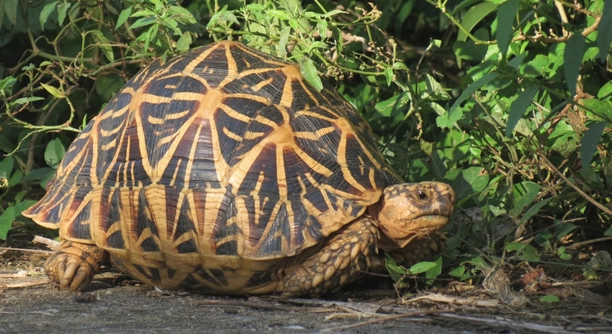
Turtles are fascinating creatures, and as pet owners, it’s important to understand how to care for them properly. Knowing whether your turtle is happy is crucial to its health and well-being. Recognizing the signs of a content turtle can help you provide the best environment for them.
Turtles show their happiness through behaviors such as basking, swimming, and eating well. A healthy turtle will be active, alert, and curious about its surroundings. They may also display calmness and comfort while interacting with their owners.
Understanding these key behaviors will help you gauge your turtle’s mood. If you notice any changes in these signs, it could be a signal to reassess their care. Keep reading to learn how to spot the signs of a happy turtle!
1. Basking in the Sun: A Sign of Happiness
Turtles are known for basking in the sun, and this behavior is one of the most common signs of a happy turtle. Turtles often seek warmth, especially in their basking areas. When they stretch out in the sun, it’s not just for warmth—it also helps them regulate their body temperature and promotes healthy shell growth. A happy turtle will typically spend some time basking every day, as this helps them metabolize their food and maintain good health.
A turtle that avoids basking or does so very little might be stressed or uncomfortable in its environment. If your turtle has easy access to a proper basking spot and spends time there, it’s a positive sign that it feels at ease in its space.
If your turtle basks regularly, you’re doing something right. Make sure the basking area is set up properly with both UVB light and heat lamps. UVB light is crucial for your turtle’s shell and overall health. Without it, they can develop serious health issues. The temperature should be warm enough for them to feel comfortable but not too hot to cause distress. A calm, well-lit basking spot is ideal for a turtle that enjoys and thrives in this behavior. It’s important to keep the area clean and ensure your turtle can move freely between water and land.
2. Active Swimming
When a turtle is swimming around energetically, it’s a clear sign of happiness. An active turtle loves to explore and interact with its environment, which means they feel safe and stimulated.
Healthy swimming habits help with physical exercise, promoting proper circulation and digestion.
3. Healthy Appetite
A turtle with a healthy appetite is generally a happy turtle. When your turtle is excited about food, it shows that it is comfortable and content in its environment. Turtles enjoy a variety of foods, from leafy greens to protein-rich insects or fish. A turtle that eagerly approaches its food bowl or eagerly hunts for its meal is usually in good health.
If your turtle is eating regularly and with enthusiasm, this is a good indicator of their overall well-being. A lack of interest in food may suggest stress, illness, or that their diet isn’t meeting their needs. Monitor their food intake and keep an eye on their behavior. If the lack of appetite persists, you should consult a vet.
Ensure your turtle’s diet consists of both plant-based and protein-rich foods. It’s important to provide a balanced meal to support their growth and immune system. Overfeeding can also be an issue, leading to obesity or other health concerns, so avoid giving them too much at once. Variety is key to keeping your turtle interested in eating, and it’s also essential for their health.
4. Relaxed Posture
When a turtle is relaxed, it will appear calm and at ease, typically resting with its head and limbs extended comfortably. A relaxed posture shows that your turtle is not stressed or anxious. If your turtle spends a lot of time resting comfortably, you are providing an environment where it feels safe.
A turtle that constantly hides or huddles in a corner could be showing signs of stress or discomfort. This might be caused by environmental factors like water temperature or lack of space. If your turtle appears to be more withdrawn than usual, it could be a sign that it’s not content with its surroundings.
It’s also important to monitor the turtle’s movements. If your turtle moves around comfortably and stretches out its limbs, it’s a clear sign that it is feeling relaxed. Providing ample space in their habitat allows your turtle to adjust their posture naturally. They need both a basking area and a swimming space that lets them feel secure. Keep their environment calm and quiet, as loud noises or sudden changes can disturb their sense of security.
5. Active Exploration
Turtles love to explore their surroundings. A happy turtle will actively swim around its tank, crawl across the ground, and even interact with new objects. Exploration is a key sign that they are curious, healthy, and enjoying their environment.
If your turtle is constantly moving and exploring, it’s a good indicator of their well-being. They’re not just looking for food, but also engaging with their surroundings, which helps them stay mentally stimulated. A lack of exploration may point to boredom or discomfort, so consider adding new elements to their habitat to keep them engaged.
To encourage exploration, try adding decorations, plants, or even safe hiding spots for your turtle to discover. Avoid cluttering the tank, though, as it could limit movement. A few carefully placed objects can provide both comfort and mental stimulation. Make sure the tank is large enough to allow them to move freely. Offering variety in their habitat helps prevent them from feeling confined or stuck in a routine.
6. Shell Condition
A healthy, well-maintained shell is a clear sign that your turtle is happy. If the shell is smooth, free from cracks, and not overly soft, your turtle is likely in good shape. A well-cared-for shell shows proper nutrition and care.
Poor shell condition could indicate an unhealthy environment, such as improper lighting, inadequate diet, or inadequate humidity levels. Regularly check your turtle’s shell for signs of deformities or soft spots, as these can signal problems. Ensuring that your turtle gets enough UVB light is essential for strong, healthy shell growth.
Take care to provide proper UVB lighting, which helps turtles metabolize calcium. Without it, their shells can become weak and prone to damage. Offering a balanced diet rich in calcium and vitamins also supports shell health. If you notice any irregularities, it’s important to seek veterinary advice quickly.
7. Normal Breathing Patterns
Turtles usually breathe slowly and steadily, showing no signs of distress. If your turtle is breathing normally, it’s a good indicator that they are calm and relaxed in their environment. Stress can cause breathing issues, so a normal rhythm means they are feeling secure.
Breathing irregularities, like heavy panting or gasping, could point to stress or illness. Keep a close watch on their breathing, especially if you notice them staying at the water’s surface more than usual. Ensure the water is clean and well-oxygenated, as poor water quality can cause respiratory problems.
FAQ
How can I tell if my turtle is stressed?
Turtles can show stress through various behaviors. If your turtle is hiding more often, swimming erratically, or refusing food, it could be a sign of stress. A stressed turtle might also have an abnormal posture or might be constantly trying to escape the tank. Keep an eye on their environment—things like water temperature fluctuations, overcrowding, or a lack of hiding spots can cause stress. It’s important to identify any changes in their behavior and address the root cause as soon as possible. A sudden change in behavior, like aggression or excessive hiding, may require adjustments to their habitat or care routine.
What should I do if my turtle isn’t eating?
A lack of appetite in turtles can be concerning. If your turtle suddenly refuses food, check the water temperature first. If the water is too cold, your turtle might not feel like eating. Ensure that you are offering a variety of food options that cater to your turtle’s species. Overfeeding or an incorrect diet can also make them disinterested in eating. If your turtle continues to refuse food for several days, or shows signs of illness, it’s best to consult a vet. In some cases, digestive issues or an infection might be affecting their appetite.
Is it normal for my turtle to sleep a lot?
Yes, it’s completely normal for turtles to spend a significant amount of time resting or sleeping, especially if they have a basking area where they feel safe and comfortable. Turtles are known to sleep during the day or night, depending on their species. If your turtle is resting in a normal posture, and is active when awake, this is a sign of good health. However, if your turtle becomes lethargic and stays inactive for long periods, it could indicate an underlying issue, such as a health problem or environmental stress.
Why is my turtle scratching its shell?
Turtles may scratch their shells for a variety of reasons. One common cause is the shedding of the outer layer of the shell, a natural process called scute shedding. If your turtle is scratching in a way that seems excessive or aggressive, it could be trying to remove debris or irritants from its shell. It’s important to ensure that your turtle’s shell is healthy, free of injuries, and not too dry. If the scratching seems abnormal, consider checking your turtle’s habitat for irritants or consult a vet to rule out any potential issues like shell rot or parasites.
How do I know if my turtle’s shell is unhealthy?
A healthy turtle shell is smooth, firm, and without cracks. If you notice your turtle’s shell becoming soft, cracked, or discolored, it could indicate poor health. Common signs of an unhealthy shell include pitting, deformities, or visible rot. Improper diet, lack of UVB lighting, or poor water quality can contribute to shell problems. Ensure your turtle is getting enough calcium and vitamin D3, both of which are essential for shell health. If you notice any abnormalities in your turtle’s shell, consult a veterinarian to get a proper diagnosis.
What is the ideal water temperature for my turtle?
Water temperature is crucial for your turtle’s health. Most aquatic turtles prefer a water temperature between 75°F and 80°F (24°C to 27°C). The water should never be too cold or too hot, as extreme temperatures can cause stress or even harm your turtle. If your turtle has a basking area, the temperature there should be higher, around 85°F to 90°F (29°C to 32°C). Invest in a reliable water heater and thermometer to maintain a stable environment for your turtle. Make sure the water is also clean and properly filtered to keep your turtle happy and healthy.
Why is my turtle’s skin peeling?
Turtle skin peeling is usually part of the normal shedding process. As turtles grow, their skin will shed periodically. This process can happen in patches or in small flakes, and it’s especially common after your turtle has grown quickly or has been exposed to heat or humidity changes. However, if the peeling is excessive, or if you see signs of irritation, redness, or infection, it could be a sign of a skin condition or an environmental issue. Ensure the humidity and water quality in the tank are appropriate. If the peeling continues or appears abnormal, consult a vet for advice.
How often should I clean my turtle’s tank?
Turtle tanks need to be cleaned regularly to prevent bacterial growth and ensure good water quality. At a minimum, you should clean your turtle’s tank once a week, changing out part of the water and removing any debris. A complete cleaning—scrubbing the tank walls, cleaning the filter, and replacing all the water—should be done every two to three weeks. Always monitor the water’s quality using a water testing kit, as turtles produce waste that can quickly affect water conditions. Clean water is essential for your turtle’s health, as dirty or polluted water can cause skin issues, infections, or respiratory problems.
Can I keep multiple turtles in the same tank?
It’s possible to house multiple turtles in the same tank, but it depends on their species and size. Turtles can be territorial, and housing more than one in a small tank could lead to fights or stress. If you plan to keep more than one turtle, ensure the tank is large enough to accommodate each turtle with plenty of space. You’ll also need to consider the personalities of your turtles. Some species are more social, while others prefer to be alone. Monitor the behavior closely for signs of aggression, and separate the turtles if necessary.
Caring for a turtle is rewarding but requires attention to detail. A happy and healthy turtle will show signs like active exploration, a healthy appetite, and a relaxed posture. By paying attention to their behaviors, you can ensure that their environment meets their needs. Keeping your turtle comfortable and stress-free is key to their overall well-being. This means providing the right diet, maintaining proper water temperature, and offering both basking and swimming areas that suit their needs. Simple observations will help you create a more enjoyable environment for your pet.
If you notice that your turtle is not acting as it usually does, it could be a sign of stress or health issues. Look for any changes in behavior, such as lack of appetite, excessive hiding, or abnormal swimming patterns. These signs are often linked to environmental factors or medical conditions that need to be addressed. If in doubt, always consult with a vet who specializes in reptiles to get advice on how to handle the situation. Keeping your turtle’s living space clean and free from potential hazards will also help reduce stress.
In the end, a little attention and care can go a long way in ensuring your turtle lives a long, happy life. Being proactive in monitoring their health and happiness will help you maintain a strong bond with your pet. Whether you are a new turtle owner or have been caring for one for years, learning to read the signs of a happy turtle will improve the quality of life for both you and your pet.

Hello,
If you enjoy the content that we create, please consider saying a "Thank You!" by leaving a tip.
Every little bit helps us continue crafting quality advice that supports the health, happiness, and well-being of pets around the world, for pets of all shapes, sizes, and species.
We really appreciate the kindness and support that you show us!