
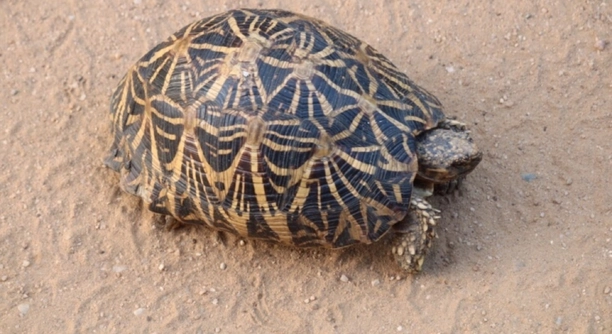
Turtles are known for their slow and steady nature, but sometimes, they seem more energetic, especially when they try to climb the lid of their tank. This behavior can be surprising for many pet owners.
Turtles often attempt to climb their tank lids due to boredom, limited space, or environmental stress. When they feel restricted or unchallenged, they may seek an escape or try to explore outside their habitat.
Understanding why this happens will help you create a more comfortable environment for your turtle, keeping them content and healthy.
Why Do Turtles Climb the Tank Lid?
Turtles can exhibit climbing behaviors for several reasons. One common cause is boredom. If their environment lacks enough stimulation, they may try to explore their surroundings by climbing the tank’s edges or lid. Another factor is a lack of space. A cramped tank limits their movement, causing them to search for ways to break free. Turtles are naturally curious creatures, and this instinct to explore is just part of their nature. If they feel confined, it can prompt climbing attempts as they look for an escape. Environmental stressors such as poor water conditions or uncomfortable temperatures can also play a role in this behavior.
Boredom and small tanks are two of the most common factors that contribute to turtles attempting to climb their lids. Ensuring a stimulating environment can reduce this behavior.
Providing adequate space and environmental enrichment for your turtle is essential. A larger tank, along with accessories like rocks, plants, and hiding spots, will help prevent climbing. Regularly changing the water and maintaining a stable temperature can keep them calm. This way, your turtle will feel more comfortable and less inclined to escape.
Lack of Space and Overcrowding
Turtles need ample space to move around. A tank that’s too small can make them feel confined, leading them to climb. Overcrowding in the tank can also contribute to stress, causing your turtle to act out.
If the tank is overcrowded, turtles may feel stressed or compete for space, leading them to search for relief. To prevent this, it’s important to provide enough room for each turtle. A general rule is to have at least 10 gallons of water per inch of turtle length. This allows them to swim freely and explore their surroundings without feeling pressured.
Adding hiding spots, rocks, and plants can also give them areas to retreat to, helping reduce stress. Giving your turtle a comfortable environment will keep climbing behavior to a minimum. Avoid overcrowding, and give each turtle the space it needs for a healthier, happier life.
Poor Tank Conditions
If the water is dirty or the temperature is off, your turtle may feel uncomfortable. Poor tank conditions lead to stress, and your turtle might try to escape to find better conditions.
Keeping the water clean and at the right temperature is crucial for your turtle’s well-being. Regular water changes and maintaining a consistent temperature of 75-85°F will ensure they are comfortable. In addition, check the filtration system regularly to ensure it’s functioning properly. If the water is murky or too cold, it can make your turtle restless and more likely to climb the tank lid.
A thermometer and water testing kits can help you keep track of the water quality. Investing in these tools ensures that your turtle has a clean, comfortable living environment, reducing climbing behavior.
Temperature Fluctuations
Turtles are sensitive to temperature changes. If the tank gets too hot or too cold, they may try to escape to find a more comfortable spot.
Constant temperature fluctuations can stress your turtle and lead to climbing attempts. To avoid this, invest in a reliable heater or cooling system, depending on your turtle’s species. Maintaining a consistent temperature between 75-85°F will keep them comfortable.
A stable environment helps turtles feel secure, reducing their need to climb. Keeping the water at the correct temperature supports their health and prevents unnecessary stress.
Hunger or Feeding Time
Turtles may climb the lid if they’re hungry or expecting food. This behavior is often a sign they’re anticipating a meal.
If your turtle is climbing, it might be trying to get your attention for food. Stick to a consistent feeding schedule to help them feel more secure and reduce this behavior. Providing meals at the same time each day can create a routine, making your turtle less likely to try climbing.
Feeding them the right amount ensures they stay satisfied and content.
FAQ
Why does my turtle keep trying to escape?
Turtles often try to escape due to boredom, stress, or inadequate tank conditions. If they feel cramped, lack stimulation, or have poor water quality, they may attempt to climb out. To address this, ensure your turtle has enough space, enrichment, and a comfortable environment. Providing a larger tank, hiding spots, and regular tank maintenance can reduce the urge to escape.
How can I stop my turtle from climbing the tank lid?
To stop your turtle from climbing, focus on improving its environment. Ensure the tank is spacious and filled with plants, rocks, or logs for climbing and hiding. Keep the water clean and at the right temperature, and avoid overcrowding. A happy, comfortable turtle is less likely to try to escape.
Can I put a lid on my turtle tank?
Yes, you can use a lid to prevent your turtle from escaping, but it should allow for proper ventilation. A secure, breathable lid will help keep your turtle safe without restricting airflow. Make sure the lid is heavy enough or secured tightly to prevent your turtle from pushing it off.
How often should I clean my turtle tank?
You should clean your turtle’s tank regularly to maintain good water quality. Perform partial water changes at least once a week. Additionally, clean the tank’s filter, decorations, and substrate to prevent buildup of waste and algae. A clean tank keeps your turtle healthy and comfortable, reducing climbing behavior.
What is the ideal tank size for a turtle?
The ideal tank size depends on your turtle’s species. As a general rule, provide 10 gallons of water per inch of your turtle’s shell length. This allows them enough space to swim, bask, and explore. A larger tank will keep your turtle more content and reduce climbing attempts.
Why is my turtle climbing after eating?
Climbing after eating can indicate your turtle is trying to find a spot to bask or digest. Turtles often climb to bask under a heat lamp after a meal. Ensure your tank has a designated basking area with the right temperature for them to rest and digest.
Can my turtle be stressed from too much handling?
Yes, excessive handling can stress out your turtle. Turtles are naturally solitary animals and may not enjoy being handled frequently. Limit handling to essential moments, such as cleaning the tank or during health checks. Allow your turtle to enjoy its space and feel secure in its environment.
How do I know if my turtle is unhappy?
An unhappy turtle may show signs of stress, such as climbing the tank lid, reduced appetite, hiding, or appearing lethargic. If your turtle is acting differently than usual, check its environment. Ensure the water temperature is stable, the tank is clean, and it has enough space to move around.
Do turtles need a basking light?
Yes, turtles need a basking light to regulate their body temperature and provide UVB rays for healthy shell growth and overall well-being. The basking light should be placed above a dry area in the tank, where your turtle can climb and bask. Make sure the light is positioned at the correct distance to avoid overheating.
What is the best way to enrich my turtle’s environment?
You can enrich your turtle’s environment by adding plants, rocks, logs, and hiding spots for them to explore. Varying the tank’s layout or adding a small pool of water for swimming can also provide mental stimulation. Rotate toys and objects to keep the environment interesting for your turtle.
How do I maintain the water temperature in my turtle’s tank?
To maintain the water temperature in your turtle’s tank, use a reliable aquarium heater. Monitor the water with a thermometer to ensure it stays between 75-85°F, depending on your turtle’s species. Make adjustments with a heater or cooler to keep the water at a consistent temperature. This reduces stress and supports their overall health.
Final Thoughts
Understanding why your turtle keeps trying to climb its tank lid can help you create a better environment for it. Turtles often climb as a response to stress, boredom, or discomfort in their tank. By identifying the cause, you can make simple adjustments to reduce this behavior and help your turtle feel more at ease. A well-maintained tank with enough space, clean water, and a comfortable temperature can significantly decrease the need for climbing.
In addition to adjusting the tank environment, consider the role of routine. A consistent feeding schedule, along with regular tank cleaning and water changes, keeps your turtle healthy and reduces stress. Adding enrichment, like hiding spots or rocks to climb, will provide stimulation and prevent boredom. Ensuring your turtle has a proper basking area is also essential, as it allows them to relax and digest their food comfortably. These simple steps can help your turtle feel secure and reduce climbing behavior.
If your turtle continues to climb despite these adjustments, it might be a sign of other underlying issues. In such cases, consulting with a veterinarian who specializes in reptiles can provide more insight. They can check for any health problems that might be causing stress or discomfort. By keeping an eye on your turtle’s behavior and making the necessary changes, you’ll be able to ensure its long-term health and happiness.

Hello,
If you enjoy the content that we create, please consider saying a "Thank You!" by leaving a tip.
Every little bit helps us continue crafting quality advice that supports the health, happiness, and well-being of pets around the world, for pets of all shapes, sizes, and species.
We really appreciate the kindness and support that you show us!