
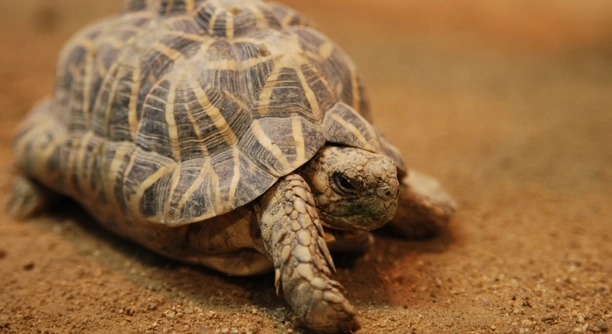
Encouraging your turtle to bask is an important part of keeping them healthy. Basking helps regulate their body temperature and supports vital processes, including digestion and shell health. Knowing how to encourage this behavior can benefit their well-being.
The main factors that encourage basking include creating a comfortable basking area, ensuring proper lighting, and maintaining the right temperature. Turtles prefer warm, dry spots where they feel secure. Regularly checking the conditions can ensure your turtle’s comfort.
Making simple adjustments to your turtle’s environment can lead to better basking habits. These tips will guide you in creating an ideal setup for your turtle’s needs.
Create a Comfortable Basking Area
Turtles need a warm, dry place to bask where they can fully dry off and absorb heat. The best basking areas are elevated, allowing your turtle to climb out of the water and onto a flat surface. You can use rocks, logs, or a special basking dock. It should be placed under a heat lamp to keep the area warm. The surface should also be easy for your turtle to climb onto, offering both comfort and security. Make sure the basking area is large enough for your turtle to stretch out.
Providing a comfortable basking area promotes healthier habits. Turtles will feel safer and more likely to use it regularly if the space is appealing and easily accessible.
A basking area should be positioned in a place that is free from disturbances, offering your turtle privacy while they rest. Ensuring the right temperature is key to this process. A heat lamp can be used to maintain a temperature between 85°F to 90°F. This range encourages basking behavior by creating a cozy, warm environment. Avoid overly bright lights or sharp heat, as this can cause stress. By making the basking spot inviting and comfortable, your turtle will be more inclined to use it frequently.
Proper Lighting and UVB Exposure
Proper lighting is essential for encouraging basking. UVB light helps turtles absorb calcium and maintain overall health. Without proper UVB lighting, turtles may become lethargic and refuse to bask.
A UVB light should be placed above the basking area. The bulb should be replaced regularly, as its effectiveness decreases over time. This light should be on a timer to simulate a day/night cycle, giving your turtle a sense of routine.
Maintain the Right Temperature
A consistent, appropriate temperature is crucial for encouraging basking. The basking area should be warm but not too hot, ideally between 85°F to 90°F. This helps regulate your turtle’s body temperature and triggers their instinct to bask.
To maintain this temperature, you can use a heat lamp or ceramic heat emitter. Position the lamp above the basking area to ensure the warmth stays concentrated. It’s important to have a thermometer to check the temperature regularly. Too much heat can cause stress, while too little may discourage your turtle from basking altogether.
Adding a water thermometer to check the water temperature is also important. Ideally, the water should be around 75°F to 80°F. This balance between water and air temperature will create a natural environment for your turtle, helping it feel comfortable and encouraging more time spent basking.
Offer Privacy and Security
Turtles are shy creatures and can be easily stressed if they feel exposed. To encourage basking, ensure the basking area is private and secure. Place the basking platform in a quiet, low-traffic area.
Turtles need a safe space where they won’t be constantly disturbed. Adding plants or objects around the basking area can help create a secure feeling. The platform should also be positioned high enough to keep the turtle safe from other pets or disturbances. When turtles feel secure, they are more likely to bask comfortably and frequently.
Minimize Stress Factors
Turtles can be hesitant to bask if they are stressed. Minimize loud noises or sudden movements around their enclosure to help them feel more comfortable. Stress can interfere with their natural behaviors, including basking.
Try placing your turtle in a quiet, calm area away from other pets or disturbances. Over time, reducing stress will help your turtle feel more secure and encourage basking.
Keep the Water Clean
Dirty water can discourage basking, as turtles prefer a clean environment. Regularly filter the water to keep it clear and free of waste. Perform water changes as needed to maintain a healthy habitat.
A clean water environment promotes good health and can make your turtle more willing to bask. Without a clean space, your turtle may avoid basking altogether to stay in the water, where it feels safer.
FAQ
Why isn’t my turtle basking?
There could be several reasons your turtle is avoiding the basking area. One common issue is improper lighting or temperature. If the basking area is too hot or too cold, your turtle may not want to bask. Another reason could be stress or discomfort. Make sure the area is quiet and private for your turtle. Also, ensure the water quality is good, as dirty water can discourage basking. Lastly, if your turtle is new to the habitat, it might take time to adjust before it feels comfortable enough to bask.
How long should my turtle bask each day?
Turtles generally need around 8 to 12 hours of basking each day. This time allows them to regulate their body temperature and absorb the necessary UVB rays for calcium absorption. If your turtle is not basking for enough time, it may not be getting the full benefits. Keep an eye on the basking area, and make adjustments to the environment as needed to encourage regular basking.
How can I tell if my turtle is basking enough?
If your turtle is basking regularly, you should notice it drying off completely, stretching out its legs, and possibly even falling asleep in the basking area. A well-basked turtle will have healthy, strong shell growth and will be active and alert. If your turtle seems lethargic or its shell looks soft or deformed, it may not be basking enough and could need better conditions.
Can I use a regular light bulb for my turtle’s basking area?
No, a regular light bulb does not provide the necessary UVB rays that turtles need. It’s essential to use a proper UVB light designed for reptiles. UVB light helps your turtle absorb calcium and promotes healthy shell growth. Regular light bulbs provide heat but do not offer the beneficial UVB rays. Make sure you choose a bulb specifically labeled for turtle care, and replace it regularly to maintain effectiveness.
Should I use a heat lamp or ceramic heat emitter?
Both a heat lamp and a ceramic heat emitter can be used to provide warmth, but there are key differences. A heat lamp will provide both heat and light, which can be beneficial for daytime basking. A ceramic heat emitter, on the other hand, only produces heat, making it ideal for nighttime use without disturbing your turtle’s sleep cycle. The choice depends on the needs of your turtle and the time of day.
How can I make the basking area more comfortable for my turtle?
You can make the basking area more comfortable by ensuring it is the right temperature, large enough for your turtle to stretch out, and free from disturbances. Adding rocks, logs, or a floating dock will provide a variety of textures and climbing options for your turtle. Also, ensure there is enough space for your turtle to move freely and dry off completely. A shaded area near the basking spot can also help your turtle regulate its temperature more easily.
Why does my turtle only bask in the water?
Some turtles prefer basking in the water rather than on a dry surface. This could be because the basking area is too cold or uncomfortable for them. Try adjusting the temperature or adding a more secure, private basking area. Some turtles may also feel safer in the water and might need more time to adjust to basking out of it. You can also gradually encourage basking by keeping the water warmer and increasing the appeal of the dry basking area.
Can I place my turtle’s basking area near a window for natural sunlight?
While natural sunlight can provide beneficial UVB rays, placing the basking area near a window may not be effective. Glass filters out most UVB rays, meaning your turtle won’t get the necessary benefits from sunlight. Additionally, a window can cause temperature fluctuations, making it harder to maintain a consistent basking temperature. It’s best to use a specialized UVB lamp for your turtle’s basking needs.
How do I know if my turtle is getting enough UVB exposure?
If your turtle is getting enough UVB exposure, its shell should remain strong, and it should be active and healthy. Lack of UVB can lead to a condition called metabolic bone disease, which causes a soft or deformed shell. You may also notice a lack of appetite, weakness, or lethargy. If you are unsure, it’s a good idea to replace the UVB bulb every six months, as its effectiveness decreases over time.
Can my turtle bask too much?
Turtles are naturally good at regulating their basking time. While it’s rare for a turtle to bask too much, spending excessive time under a heat lamp can potentially cause dehydration or overheating. Ensure that your turtle has access to fresh water and that the basking area temperature is not too high. If your turtle seems lethargic or appears to be spending too much time on the basking area without moving, check the temperature and overall environment to make sure it is not too uncomfortable.
What if my turtle refuses to bask altogether?
If your turtle refuses to bask, first check the environmental conditions. Ensure the basking area is at the correct temperature, has enough UVB lighting, and is private and secure. If these conditions are met, give your turtle time to adjust. Stress, especially from a new environment or other pets, can take time to overcome. If your turtle still refuses to bask after adjustments, consider consulting a veterinarian to rule out any health issues.
Final Thoughts
Encouraging your turtle to bask more is essential for its health and well-being. Basking helps your turtle regulate its body temperature, absorb necessary UVB rays, and maintain a healthy shell. If your turtle isn’t basking as much as it should, it’s important to consider all possible factors that could be affecting its behavior. Start by checking the temperature and lighting in the basking area. If it’s too hot or too cold, your turtle may avoid basking altogether. The proper temperature range for the basking spot is typically between 85°F to 95°F, and the basking area should be well-lit with UVB lighting for optimal health.
Another critical factor to consider is the cleanliness of the water. Dirty water can cause stress for your turtle, and this stress may prevent it from basking. Regularly clean the water and filter it to ensure that it remains clear and safe for your turtle. Additionally, stress caused by the presence of other pets or too much activity around its enclosure can discourage basking. Ensure your turtle’s environment is quiet, calm, and free from disruptions. This will allow your turtle to feel more comfortable and encourage it to bask as it would naturally do in the wild.
Lastly, patience is key. Turtles are creatures of habit, and it may take time for them to adjust to a new setup or routine. If you’ve made the necessary changes to the basking area and water conditions, give your turtle time to settle in. As long as the environment is suitable and stress levels are minimized, your turtle should start basking more regularly. However, if problems persist, it may be worth consulting with a veterinarian to rule out any underlying health issues that could be affecting your turtle’s behavior.

Hello,
If you enjoy the content that we create, please consider saying a "Thank You!" by leaving a tip.
Every little bit helps us continue crafting quality advice that supports the health, happiness, and well-being of pets around the world, for pets of all shapes, sizes, and species.
We really appreciate the kindness and support that you show us!