
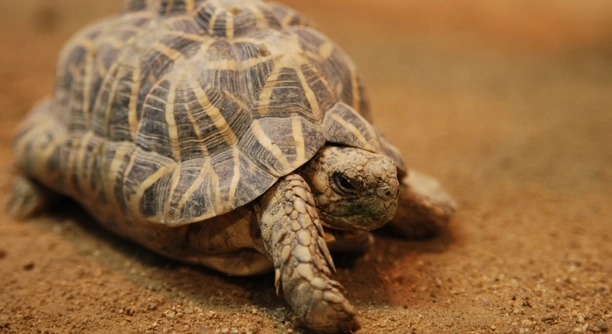
Shedding is a natural process for turtles, but if you notice it happening more frequently, you might start wondering what’s going on. Skin shedding is often a sign of healthy growth, but excessive shedding can be a concern.
Turtles shed their skin regularly as part of their natural growth process. However, excessive shedding can sometimes indicate an underlying issue such as improper habitat conditions, dehydration, or an illness. Proper care can help manage this problem.
Understanding the reasons behind your turtle’s shedding can help you create a better environment for its health and well-being. We’ll walk you through the possible causes and how to keep your turtle comfortable and happy.
Common Causes of Excessive Shedding
Turtles naturally shed their skin to grow, but too much shedding can be a sign that something isn’t quite right. It can sometimes be linked to issues in their environment, like improper temperature or humidity levels. Turtles need specific conditions to stay healthy. If the humidity is too low or the tank is too dry, it may lead to excessive shedding. Similarly, if the water temperature is inconsistent, it can stress your turtle out, leading to more skin loss. Also, poor diet and dehydration can contribute to this issue. Turtles need a balanced diet to maintain healthy skin. If they’re not getting enough hydration or the right nutrients, their skin might shed more than normal. A turtle’s habitat needs regular maintenance to stay optimal. Even small changes in their environment can affect their health, causing them to shed more often.
Skin shedding is natural, but excess shedding can also point to stress or illness. Adjusting the habitat conditions can help reduce the frequency of shedding.
In some cases, it’s worth paying closer attention to your turtle’s diet and water quality. Making simple changes might help prevent unnecessary shedding and improve your turtle’s overall health. Checking the water temperature, humidity, and your turtle’s food intake can make a significant difference.
When Should You Be Concerned?
Excessive shedding isn’t always a sign of serious problems, but it can be when accompanied by other symptoms. If your turtle is shedding a lot and seems lethargic, it might be a sign of a more serious issue. In this case, it’s important to act quickly. A decrease in activity or appetite, along with the shedding, could be a sign of illness, dehydration, or a poor diet. If you notice other abnormal behavior or signs of distress, it’s time to make adjustments to their environment and food.
A sudden or drastic increase in shedding should be addressed immediately. You may need to consult with a vet to rule out any health issues or nutritional deficiencies. Keeping track of their water conditions and diet can help you notice any changes early.
How to Improve Your Turtle’s Environment
If your turtle is shedding more than usual, adjusting its environment is the first step. Ensure the water temperature is within the right range, and keep the tank’s humidity levels high enough to prevent dehydration. Clean the tank regularly to avoid stress from dirty water.
Turtles need a consistent environment to thrive. A temperature range of 75-85°F in the water and 90°F on the basking area is ideal. If the humidity is too low, consider adding a humidity source, like a misting system or a shallow water dish, to help keep the skin hydrated. The basking light should be UVB to promote overall health, especially in their shells and skin.
It’s important to check the filter in the water regularly to ensure it’s not clogged and causing poor water quality. Turtles are sensitive to their surroundings, so a little extra attention to these details can reduce the frequency of shedding. Keeping their environment clean and stable helps maintain a healthy and stress-free habitat.
Importance of a Proper Diet
A healthy diet plays a major role in your turtle’s skin health. Ensure your turtle is getting the right balance of vegetables, proteins, and vitamins. A diet that’s too limited or lacking in necessary nutrients can lead to shedding problems.
Turtles should be fed a varied diet with leafy greens, such as kale and collard greens, along with occasional protein sources like worms, fish, or shrimp. Supplementing their diet with a high-quality turtle pellet will ensure they get the vitamins and minerals they need. Dehydration is another concern, so offering fresh water daily helps keep your turtle properly hydrated. Remember, balance is key. Overfeeding certain foods like high-fat options can also cause other health issues, so moderation is important.
The right diet helps boost your turtle’s immune system, allowing its skin to remain healthy and shedding to occur in a normal pattern. When your turtle’s diet is balanced and rich in nutrients, it will shed less frequently and more effectively.
Dealing with Illnesses or Infections
If your turtle’s excessive shedding is linked to illness or infection, you’ll need to take action immediately. Illnesses can cause abnormal shedding patterns, so it’s crucial to observe for any signs of sickness such as lethargy, lack of appetite, or unusual behavior.
Turtles can develop skin infections caused by bacteria, parasites, or fungal issues. If you suspect your turtle has an infection, it’s important to consult with a vet for proper treatment. They may prescribe antibiotics, antifungal treatments, or other medications to help restore your turtle’s health and prevent excessive skin shedding.
Regular monitoring of your turtle’s behavior and skin condition can help catch potential health problems early, making it easier to treat and prevent long-term damage.
When to Visit a Veterinarian
If shedding persists despite adjustments to the environment, it might be time to see a vet. They can rule out serious health conditions and help you address any underlying problems.
A vet will conduct an examination and may perform tests to diagnose the cause of the shedding. By catching any issues early, you can prevent further health complications and improve your turtle’s quality of life.
FAQ
Why is my turtle shedding so much skin?
Shedding is a normal process for turtles, but excessive shedding can be a sign of environmental stress, poor diet, or illness. If the shedding is abnormal, it’s important to check your turtle’s habitat conditions, such as water temperature, humidity, and cleanliness. Make sure they’re getting a balanced diet and enough hydration. If conditions are good and shedding still seems excessive, a vet visit may be necessary to rule out infections or other health issues.
How often do turtles shed their skin?
Turtles shed their skin regularly, but the frequency can vary depending on their age, environment, and health. Younger turtles tend to shed more often because they are growing quickly. Adult turtles usually shed their skin in smaller amounts over a longer period. On average, shedding occurs every few weeks, but the exact time frame can differ.
Can poor diet cause excessive shedding?
Yes, a poor diet can lead to excessive shedding. Turtles need a balanced diet that includes leafy greens, vegetables, proteins, and occasional fruits. A lack of essential nutrients, especially vitamins A and D, can affect their skin health and lead to abnormal shedding. Ensure your turtle gets a variety of foods to support its growth and overall health.
Can dehydration cause excessive shedding in turtles?
Dehydration is a common cause of excessive shedding in turtles. When turtles are dehydrated, their skin may dry out and shed more frequently. Make sure your turtle always has access to fresh water and a humid environment to keep its skin hydrated. If you notice signs of dehydration, such as sunken eyes or lethargy, it’s important to adjust their water conditions immediately.
What should I do if my turtle’s skin looks discolored or damaged?
If your turtle’s skin looks discolored, damaged, or has sores, it could be a sign of an infection or a health issue. In this case, you should consult a veterinarian right away. Infections can worsen if not treated properly. The vet may need to clean the wounds and prescribe medications to help your turtle recover.
How can I improve my turtle’s habitat to reduce excessive shedding?
Improving your turtle’s habitat is key to reducing excessive shedding. Ensure the water temperature is between 75-85°F, and the basking area should be around 90°F. Add a UVB light to help with shell and skin health. Keep the humidity in the tank around 60-80% to prevent dehydration. Regular cleaning and ensuring proper filtration will also help reduce stress on your turtle, improving its overall health.
How can I tell if my turtle is shedding or if it has an infection?
It can be difficult to tell if your turtle is shedding or if it has an infection. Typically, shedding will result in flakes of skin that come off naturally. However, if the skin appears swollen, red, or has open sores, it’s more likely to be an infection. If you’re unsure, it’s best to have a veterinarian evaluate your turtle’s condition to ensure proper care.
Is it normal for a turtle to shed in large patches?
Yes, it is normal for turtles to shed in larger patches, especially as they grow. However, if you notice large, irregular patches with uneven shedding or if the shedding is excessive compared to what you usually see, it might indicate an underlying issue like poor water quality or a nutritional deficiency. It’s important to address this as soon as possible to prevent further issues.
Can a change in water quality cause excessive shedding?
Yes, changes in water quality can cause excessive shedding. Poor water quality, such as high levels of ammonia or dirty water, can stress your turtle out, causing it to shed more. Be sure to keep the water clean by using a good filtration system and performing regular water changes. A healthy aquatic environment is essential for your turtle’s overall well-being.
What type of lighting does my turtle need to prevent excessive shedding?
Turtles need both UVA and UVB lighting to maintain proper health. UVB light helps turtles synthesize vitamin D3, which is crucial for calcium absorption and skin health. If your turtle doesn’t get enough UVB light, it can lead to skin problems and excessive shedding. Make sure to provide a UVB bulb that is designed for reptiles and replace it regularly, as its effectiveness can decrease over time.
Can stress cause my turtle to shed more?
Yes, stress is a common factor that can lead to excessive shedding in turtles. Stress can be caused by factors such as an overcrowded tank, sudden changes in the environment, or being handled too much. It’s important to keep your turtle’s environment stable and avoid stressing it with too much activity or handling. A calm and consistent habitat will help reduce shedding related to stress.
Final Thoughts
Turtles shedding skin is completely normal and part of their natural growth process. However, excessive shedding can sometimes point to underlying issues like environmental stress, dehydration, or poor diet. It’s important to observe your turtle closely and make sure its habitat is set up correctly to support its health. Maintaining the right water temperature, humidity, and clean living conditions can reduce shedding and ensure your turtle stays healthy.
If you notice that your turtle is shedding more than usual, first check the conditions in its tank. Are the water temperature and humidity levels appropriate? Is the tank clean and free of harmful bacteria? Often, making simple changes to the environment can help improve the shedding process. A well-balanced diet that includes the right vitamins and minerals is also essential to support your turtle’s overall health. Dehydration or a lack of nutrients can lead to more frequent shedding, so always ensure your turtle has access to fresh water and a varied diet.
In some cases, excessive shedding may still persist despite environmental changes. If this happens, it’s best to visit a veterinarian. A vet can diagnose if there is an infection or health condition causing the abnormal shedding. Timely treatment can prevent further complications and ensure your turtle’s well-being. By staying attentive to your turtle’s environment and diet, and seeking professional advice when needed, you can ensure your turtle’s skin stays healthy and its shedding remains within a normal range.

Hello,
If you enjoy the content that we create, please consider saying a "Thank You!" by leaving a tip.
Every little bit helps us continue crafting quality advice that supports the health, happiness, and well-being of pets around the world, for pets of all shapes, sizes, and species.
We really appreciate the kindness and support that you show us!