
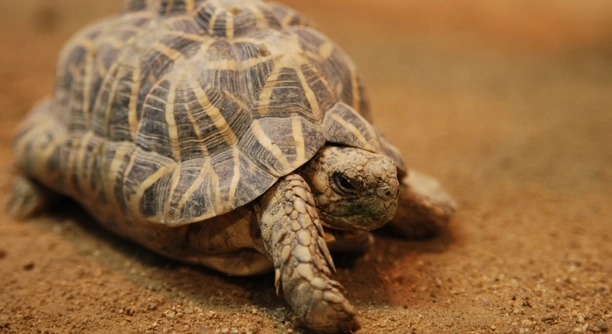
Are your turtle’s eyes swollen? This could be a sign of something serious, and it’s important to understand what might be causing it. In this article, we’ll explore the common reasons behind your turtle’s eye swelling.
Swollen eyes in turtles are often caused by infections, poor water quality, or an injury. Other possible factors include vitamin deficiencies, improper diet, or even stress. Addressing the root cause can help your turtle feel better.
Proper care and attention to your turtle’s health can prevent future problems. Read on to discover the common causes of eye swelling and how you can help your turtle recover.
Poor Water Quality
Turtles need clean water to thrive. If your turtle’s eyes are swollen, dirty water could be the problem. When the water isn’t filtered properly, harmful bacteria and toxins can build up. This can cause irritation in the eyes and even lead to infections. Regular cleaning and maintenance of your turtle’s tank will help prevent this from happening. Make sure the water is filtered, and change it often to keep the tank healthy. Using a high-quality filter is essential for maintaining a clean environment.
The water temperature is also important. Make sure it stays within the recommended range for your specific species. Poor water conditions can lead to a range of health issues, including swollen eyes.
If you notice that your turtle’s eyes become swollen shortly after you clean the tank, it’s possible that the water quality has worsened. This means the filter may need to be replaced or cleaned more frequently. Regular water testing can help you stay ahead of any issues and ensure your turtle’s environment is always safe.
Vitamin Deficiency
A lack of certain vitamins can also contribute to swollen eyes in turtles. Vitamin A is especially important for eye health. If your turtle doesn’t get enough vitamin A, it can result in swelling and other eye issues.
To ensure your turtle gets enough nutrients, offer a balanced diet with plenty of leafy greens, carrots, and other vitamin-rich foods. Vitamin A can also be found in commercially available turtle food. Make sure to feed your turtle a varied diet to avoid nutritional deficiencies that could affect its health.
Infection
Swollen eyes in turtles can often signal an eye infection, usually caused by bacteria or viruses. If the swelling is accompanied by discharge or cloudiness, this is a strong indicator of an infection.
Infections in turtles are common when their environment isn’t clean. Dirty water, poor tank conditions, or injuries can lead to bacterial growth. These bacteria can cause painful swelling and other symptoms in the eyes. Infected eyes can get worse quickly if not treated. Keeping the tank clean, removing any waste, and maintaining proper water filtration can reduce the risk of infection.
If you suspect an infection, it’s best to consult with a veterinarian. They might prescribe antibiotics or eye drops to help clear up the infection. Make sure to follow the vet’s instructions closely to avoid further complications. Treatment can be quick, but proper care is key.
Injury
Injuries can also cause swelling around a turtle’s eyes. A sharp object, fighting with tank mates, or even an accidental bump can lead to trauma.
Turtles can sometimes injure themselves when they’re trying to escape or explore their surroundings. In such cases, swelling might appear as a result of the injury. If the eye looks bruised or there’s visible swelling after a hit or scrape, it’s important to act fast. You can try to clean the wound gently, but it’s best to get the turtle to a vet to rule out any serious injury.
A vet will be able to assess the injury and provide treatment if necessary. For minor injuries, your turtle might need time to heal, but a vet will ensure that the healing process goes smoothly and the swelling doesn’t worsen.
Stress
Turtles, like other animals, can experience stress that affects their health. Stress can cause eye swelling, making the problem harder to identify. It’s important to pinpoint the stressor to help your turtle heal.
Stress in turtles can come from poor tank conditions, overhandling, or even being housed with aggressive tank mates. It’s essential to provide a calm and stable environment. A quiet, secure tank with enough space for the turtle to move freely will help reduce stress levels. If your turtle is stressed, try changing their surroundings and limit handling to allow them to relax.
Improper Diet
An improper diet can lead to various health issues, including swollen eyes. Lack of essential nutrients, like vitamin A, can directly affect eye health.
Feeding your turtle a balanced diet is key to avoiding swelling. Include a mix of leafy greens, vegetables, and specially formulated turtle food. Avoid feeding too much high-protein food or offering processed foods. These can cause nutritional imbalances that lead to eye problems or other health concerns. Regularly changing their diet and ensuring they get the proper vitamins will promote overall health.
Dehydration
Dehydration is another common cause of swollen eyes in turtles. When turtles don’t get enough water, it affects their entire system, including their eyes. Make sure your turtle has constant access to clean, fresh water. A turtle can’t drink from the same water they live in, so ensure there is always a separate drinking dish available.
How can I prevent my turtle’s eyes from swelling?
To prevent your turtle’s eyes from swelling, make sure the tank is clean and well-maintained. Regularly change the water and use a good filter to keep the environment healthy. Proper lighting and temperature are also important to prevent infections and stress. Providing a balanced diet, rich in vitamin A, will help avoid deficiencies that affect the eyes. Finally, avoid overhandling your turtle and keep it away from other aggressive tank mates to reduce stress.
What should I do if my turtle’s eyes are swollen?
If your turtle’s eyes are swollen, first check the water quality and clean the tank. Make sure the water is filtered and the temperature is within the proper range. If the swelling persists, look for other symptoms like discharge or cloudiness. If there are any signs of infection, consult a veterinarian for treatment. A vet might prescribe antibiotics or eye drops. You can also ensure your turtle is eating a nutrient-rich diet to support its recovery.
Can poor water quality cause my turtle’s eyes to swell?
Yes, poor water quality is one of the most common causes of swollen eyes in turtles. Dirty water can harbor bacteria, which can lead to eye infections. If you don’t regularly change the water and use a filter, harmful toxins and bacteria can build up, making your turtle more prone to health issues, including eye swelling. Keep the water clean, test it for proper pH levels, and ensure the water temperature is ideal for your turtle’s species.
Can vitamin deficiency cause swollen eyes in turtles?
Vitamin deficiency, especially a lack of vitamin A, can cause swollen eyes in turtles. Vitamin A is essential for eye health and overall well-being. A diet lacking in vitamin A can lead to eye problems like swelling, cloudiness, or discharge. Make sure your turtle eats a balanced diet with plenty of leafy greens, carrots, and other vegetables rich in this vitamin. You can also find vitamin A supplements specifically made for turtles if needed.
How can I tell if my turtle’s eyes are infected?
If your turtle’s eyes are infected, they may show signs such as swelling, redness, discharge, or cloudiness. The eyes may also appear slightly closed or watery. If your turtle’s eyes are swollen and these other symptoms are present, an infection could be the cause. It’s essential to consult with a vet to confirm the diagnosis and get the appropriate treatment, like antibiotics or eye drops. Don’t delay treatment, as untreated infections can worsen and lead to permanent damage.
What are the signs that my turtle’s eyes are injured?
Signs of injury in your turtle’s eyes include visible swelling, bruising, or scratches. If your turtle has recently bumped into something, fought with a tank mate, or had an accident, this could lead to an eye injury. If the swelling is due to trauma, you may also notice redness or the turtle avoiding using that eye. Carefully inspect your turtle’s eyes and if you find any injury or if the swelling does not improve, take it to the vet for a checkup.
Is stress affecting my turtle’s eye health?
Yes, stress can cause swelling in your turtle’s eyes. Stress can be caused by overcrowding, aggression from other tank mates, or poor tank conditions like inadequate space or temperature. Stress weakens your turtle’s immune system, making it more vulnerable to health problems. To reduce stress, make sure your turtle’s environment is calm, the tank is spacious, and the water conditions are just right. Limit handling and avoid overcrowding to help keep your turtle relaxed and healthy.
Can dehydration lead to swollen eyes in turtles?
Dehydration can cause swollen eyes in turtles. If your turtle isn’t getting enough water, it can lead to various health issues, including problems with its eyes. Turtles need access to clean water for drinking and hydration, separate from their tank water. If you notice signs of dehydration, like swollen eyes, ensure your turtle is drinking water regularly. You can provide extra hydration by soaking your turtle in clean water for short periods, but make sure it has access to water at all times.
How often should I change the water in my turtle’s tank?
You should change the water in your turtle’s tank at least once a week, or more frequently if the tank is smaller or the water becomes dirty quickly. Regular water changes are crucial to maintaining a clean environment and preventing the buildup of harmful bacteria. Along with water changes, regularly clean the tank and filter to ensure your turtle has a healthy living space. Testing the water for pH and ammonia levels can also help keep things in check.
Can other tank mates cause my turtle’s eyes to swell?
Yes, aggressive tank mates can cause stress or injury that may lead to swollen eyes. Turtles may also scratch or bite each other, which can cause eye injuries. If you have more than one turtle or other species in the tank, ensure they are compatible and not fighting. Overcrowding can also contribute to stress. If you notice your turtle’s eyes swelling after it has been near another tank mate, monitor their behavior and consider separating them if necessary to reduce aggression.
Final Thoughts
Swollen eyes in turtles can be a sign of several underlying issues, ranging from poor water quality to infections or even stress. It’s essential to monitor your turtle closely and keep an eye out for other symptoms like discharge, redness, or cloudiness, as these can help identify the problem. The health of your turtle’s eyes often reflects the overall health of its environment. Ensuring that your turtle has access to clean water, a balanced diet, and a stress-free living space is crucial in preventing and addressing eye issues. Regular tank maintenance and proper care can help keep your turtle healthy and prevent these problems from occurring in the first place.
If you notice that your turtle’s eyes are swollen and the swelling persists or worsens, it’s always a good idea to seek help from a veterinarian. A vet can properly diagnose the problem and recommend treatments, such as antibiotics for infections or advice on improving water quality. Sometimes, eye swelling can be caused by something simple, like a slight injury or dehydration, but in other cases, it could signal a more serious problem. In either case, professional guidance can ensure your turtle receives the care it needs to recover and stay healthy.
Taking preventative measures can also help keep your turtle safe from common health issues, including swollen eyes. This includes providing a well-maintained tank with appropriate water filtration, proper temperature and lighting, and offering a diet rich in essential vitamins like vitamin A. Minimizing stress and ensuring your turtle has enough space and privacy can make a significant difference. By being proactive and attentive to your turtle’s needs, you can help ensure that it lives a long, healthy, and happy life.

Hello,
If you enjoy the content that we create, please consider saying a "Thank You!" by leaving a tip.
Every little bit helps us continue crafting quality advice that supports the health, happiness, and well-being of pets around the world, for pets of all shapes, sizes, and species.
We really appreciate the kindness and support that you show us!