
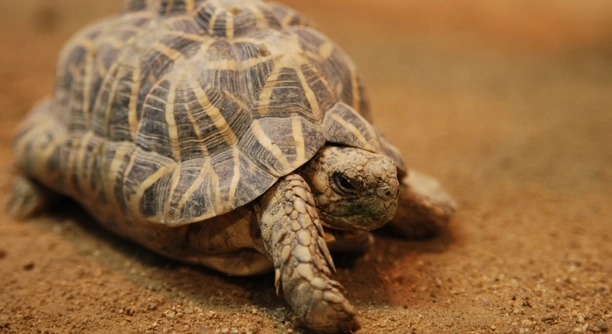
Turtles are unique creatures that communicate in different ways. One behavior you might notice is whistling sounds. These sounds can indicate several things about your turtle’s health or environment, requiring closer attention.
The whistling sounds from your turtle are typically caused by respiratory issues. Turtles may whistle if they are struggling to breathe, which can be due to an infection, environmental stress, or poor water quality.
Addressing these concerns early can help ensure your turtle stays healthy and comfortable.
Understanding Turtle Respiratory Issues
Whistling sounds often point to respiratory problems. Turtles have sensitive respiratory systems that can easily be affected by environmental factors. If your turtle is making these sounds, it could indicate an infection in the lungs or a blockage in the airways. Poor water quality, improper temperature, or lack of proper humidity are common causes. If these issues aren’t addressed quickly, they could lead to more serious complications for your turtle.
It’s essential to maintain a clean habitat for your turtle. Regular water changes and monitoring the temperature can prevent stress on their respiratory system.
Respiratory infections in turtles can be bacterial, viral, or fungal. These infections require prompt treatment, as they can progress quickly, making it harder for your turtle to recover. When a turtle makes a whistling sound, it’s important to check for additional signs, such as lethargy or difficulty swimming. A visit to a veterinarian specializing in reptiles is advised.
Importance of Clean Water and Proper Habitat
Clean water is vital for a turtle’s health. Poor water conditions can lead to infections, affecting their respiratory system.
Keeping your turtle’s environment clean, with regular water changes and correct filtration, reduces the risk of respiratory infections. Proper lighting and heating are also crucial for their overall well-being.
Signs of Respiratory Infection
Whistling is not the only sign of respiratory issues. You may notice your turtle swimming less or basking more than usual. Other symptoms include nasal discharge, bubbles from the nose, or labored breathing.
Respiratory infections in turtles often cause them to become lethargic. They may avoid eating or show a reduced interest in movement. The whistling sound is typically accompanied by a distinct change in their behavior. If you notice these signs, it’s important to take immediate action to prevent further health complications. Consulting a veterinarian can help identify the specific cause and start treatment early.
Ignoring these symptoms can lead to severe complications like pneumonia, which can be fatal. Early intervention is critical. Keeping a close eye on your turtle’s activity and behavior can make a significant difference in identifying respiratory infections before they worsen.
Treatment for Respiratory Infections
Treatment options will depend on the type of infection your turtle has.
Bacterial infections can often be treated with antibiotics, while viral infections may require more specialized care. In some cases, supportive care such as increasing the temperature of the water or providing a humid environment can help your turtle breathe easier. Consulting a vet will help determine the best course of action.
Preventing Respiratory Issues
Maintaining good water quality is essential in preventing respiratory problems. Regular water changes and proper filtration help reduce bacteria and toxins.
Ensure that your turtle’s environment is kept clean with proper lighting, temperature, and humidity. A stable environment minimizes stress and prevents illnesses.
The Role of Diet
A balanced diet supports overall health, including respiratory function. Turtles need a mix of protein, vegetables, and calcium.
Feeding your turtle a variety of foods ensures they get all the nutrients they need to maintain a healthy immune system. This reduces their risk of infections.
FAQ
What causes a turtle to make whistling sounds?
Whistling sounds are often caused by respiratory issues. In turtles, these sounds can indicate difficulty breathing due to a respiratory infection, such as pneumonia, or blocked airways. Poor water quality, incorrect temperatures, and humidity levels can also stress your turtle’s respiratory system, leading to these sounds. If your turtle is whistling, it’s important to check for other symptoms, such as labored breathing, lethargy, or loss of appetite.
How can I tell if my turtle has a respiratory infection?
Besides whistling, other signs of respiratory infections in turtles include nasal discharge, bubbles from the nose, and open-mouthed breathing. If your turtle is less active, eating less, or swimming awkwardly, these can also be symptoms. In some cases, your turtle may have a swollen neck or be reluctant to bask. Pay attention to any changes in behavior, as they can help you identify an infection early.
What should I do if my turtle is making a whistling sound?
The first step is to check the water quality and ensure the temperature and humidity levels are correct. If everything appears fine, observe your turtle for other signs of illness. If the whistling persists or other symptoms appear, it’s best to take your turtle to a reptile vet. Early treatment is crucial in preventing more severe health issues.
Can I treat a turtle’s respiratory infection at home?
While it’s important to take your turtle to a vet for proper diagnosis and treatment, you can make them more comfortable by improving their environment. Increase the water temperature slightly, but avoid extreme changes. Providing a warm, humid area can help your turtle breathe more easily. If your vet prescribes medication, follow their instructions carefully.
How can I prevent respiratory issues in turtles?
Prevention starts with maintaining a clean and stable environment. Regular water changes, proper filtration, and a controlled temperature and humidity will help keep your turtle healthy. Additionally, avoid overcrowding and ensure that your turtle has adequate space. A balanced diet with proper nutrition also strengthens their immune system, making them less susceptible to infections.
What are the most common causes of respiratory infections in turtles?
The main causes of respiratory infections are poor water quality, incorrect temperature, and high stress levels. Bacterial, viral, or fungal infections can develop when a turtle’s immune system is weakened. Stress can be caused by environmental factors, such as sudden temperature changes or inadequate space. Keeping the tank clean and stable is key to reducing the risk.
How long does it take for a turtle to recover from a respiratory infection?
The recovery time depends on the severity of the infection and how quickly it’s addressed. Mild cases may take a few weeks to recover, while more severe infections can take longer. Proper treatment and environmental care are essential for faster recovery. If your turtle is not showing improvement after a few days, follow up with your vet.
Can a turtle die from a respiratory infection?
Yes, if left untreated, respiratory infections can be fatal for turtles. The infection can spread to the lungs, making it harder for the turtle to breathe. This can lead to complications such as pneumonia, which can be life-threatening. Early detection and treatment are vital to prevent these serious issues.
Is there a way to boost my turtle’s immune system?
A healthy diet, proper living conditions, and regular tank maintenance can help support your turtle’s immune system. Make sure your turtle has access to natural UVB light or use a UVB lamp. A balanced diet of high-quality commercial turtle food, supplemented with fresh vegetables, will provide the necessary nutrients to strengthen their immune function.
Can stress cause whistling sounds in turtles?
Yes, stress can contribute to respiratory issues in turtles, including whistling sounds. Stress can result from overcrowding, sudden changes in their environment, or handling. It can weaken their immune system, making them more prone to respiratory infections. Reducing stress by maintaining stable water conditions and avoiding frequent handling can help.
Are there any long-term effects of respiratory infections in turtles?
If left untreated, respiratory infections can have long-term effects on a turtle’s health. Chronic respiratory issues can cause permanent damage to the lungs or other organs. Even after treatment, your turtle may have reduced lung function or be more susceptible to future infections. Regular vet check-ups can help ensure your turtle’s health.
What is the best temperature for a turtle’s tank to avoid respiratory issues?
Turtles generally thrive in water temperatures between 75-80°F (24-27°C). The basking area should be warmer, between 85-90°F (29-32°C), to allow your turtle to regulate its body temperature. Keeping the water at a consistent, appropriate temperature helps prevent stress and reduces the risk of respiratory infections.
Can I use a humidifier for my turtle’s environment?
Using a humidifier can help maintain proper humidity levels, especially in drier climates. Turtles need humidity levels between 60-80% to remain healthy. A humidifier can ensure the air in their tank stays moist, making it easier for them to breathe. Just ensure that the water temperature is also properly regulated to avoid sudden temperature fluctuations.
How can I tell if my turtle is stressed?
Signs of stress in turtles include reduced activity, loss of appetite, hiding more often, and abnormal swimming patterns. Stress can also cause your turtle to bask excessively. If you notice these changes in behavior, evaluate the environment to ensure it’s comfortable. Reducing handling and making environmental adjustments can help ease stress.
Final Thoughts
Whistling sounds in turtles can often signal underlying issues, especially respiratory infections. These sounds are a common symptom that should not be ignored, as they can be a sign of distress or illness. If your turtle starts making whistling noises, it’s essential to assess the tank’s environment. Ensure the water is clean, and the temperature and humidity levels are appropriate. A stable, stress-free environment is key to maintaining your turtle’s health. If you notice any additional symptoms, such as nasal discharge, lethargy, or changes in appetite, it’s best to consult a vet.
Preventing respiratory issues in turtles is largely about maintaining proper care and a clean environment. Regular water changes, proper filtration, and ensuring that the water temperature and humidity are at the correct levels can go a long way in preventing infections. Avoid overcrowding the tank and ensure your turtle has enough space to thrive. Additionally, offering a balanced diet will help keep your turtle’s immune system strong and reduce the risk of illnesses. A healthy turtle is less likely to experience respiratory issues, and providing them with the right conditions can greatly reduce the chances of whistling sounds and other signs of illness.
If your turtle is making whistling sounds or showing other signs of distress, it’s important not to wait for the situation to worsen. Early intervention can make a big difference in the outcome. Regular check-ups with a vet, especially for aquatic pets like turtles, can help catch health issues before they become serious. By ensuring that your turtle has the proper care, environment, and diet, you’re not only addressing the issue at hand but also supporting your turtle’s long-term health.

Hello,
If you enjoy the content that we create, please consider saying a "Thank You!" by leaving a tip.
Every little bit helps us continue crafting quality advice that supports the health, happiness, and well-being of pets around the world, for pets of all shapes, sizes, and species.
We really appreciate the kindness and support that you show us!