
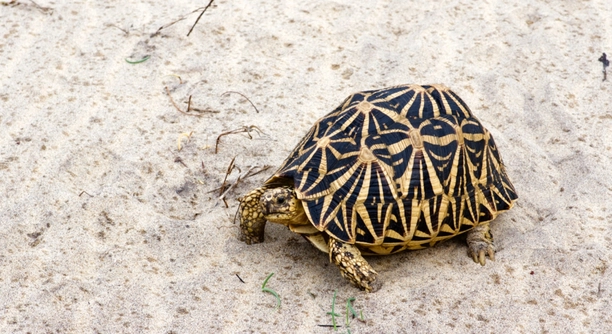
Turtles are wonderful pets, but sometimes they face health issues that require attention. If you’ve noticed your turtle’s tail is swollen, it’s essential to understand why and what you can do about it.
Swollen tails in turtles can be caused by a variety of health issues, including infections, injuries, or even problems with their diet or habitat. It’s important to observe any other symptoms and consult a veterinarian for proper diagnosis and treatment.
Proper care and a keen eye can help prevent future issues for your turtle. In this article, we’ll explore the causes and ways to help your pet recover.
Possible Causes of Swelling in Your Turtle’s Tail
A swollen tail in turtles can be alarming, but understanding the causes is the first step toward finding a solution. One of the most common causes is an infection. Bacterial or fungal infections can enter through cuts or abrasions, causing swelling and discomfort. Another cause could be an injury to the tail, which might result from fighting with other turtles, getting caught in something, or accidentally dropping something on it. Poor water quality can also affect your turtle’s health and make them more susceptible to infections. A contaminated tank may harbor harmful bacteria, which can lead to inflammation.
Keeping your turtle’s habitat clean is crucial. The water should be properly filtered, and regular water changes are essential. Poor diet can also contribute to health problems. A diet lacking in nutrients can weaken the turtle’s immune system, making it harder for the body to fight off infections.
To prevent these problems, ensure your turtle’s environment is well-maintained and that it’s fed a balanced diet. Also, check for any signs of injury or infection early on.
Signs You Shouldn’t Ignore
If you notice swelling in your turtle’s tail, it’s important not to ignore it. If left untreated, an infection can spread to other parts of the body, which may result in more serious health problems.
In addition to the swelling, other signs to look out for include redness, warmth around the tail area, or a decrease in your turtle’s activity levels. If these symptoms persist, it’s crucial to consult with a veterinarian. They can provide a proper diagnosis and offer treatment options to help your turtle heal.
How to Help Your Turtle Recover
Once you identify the problem, the next step is helping your turtle recover. If the issue is an infection, your veterinarian might prescribe antibiotics or antifungal treatments. It’s important to follow their instructions carefully to ensure your turtle’s full recovery. In cases where the swelling is due to injury, applying a warm compress may help reduce inflammation. It’s also essential to clean any wounds gently to avoid further infection. If the water quality in the tank is a factor, make sure to address it right away. A proper filtration system and clean water are essential for a healthy environment. You should also monitor your turtle’s diet and ensure it includes the right nutrients to support its immune system.
The healing process may take time, so patience is key. It’s essential to provide a calm, stress-free environment to help your turtle recover quickly. Make sure to check the tail regularly for any changes, and keep a close eye on your turtle’s overall health.
Preventing Swelling and Other Health Issues
The best way to prevent swelling in your turtle’s tail is by maintaining its health. Regularly clean the tank and change the water to ensure it’s free from bacteria. A well-balanced diet will help keep your turtle’s immune system strong.
Routine check-ups with a veterinarian can help catch potential health issues early on, before they become serious. Monitoring your turtle’s behavior and appearance regularly will make it easier to spot signs of any underlying problems. If you act quickly, you can prevent many health issues from becoming severe. Keeping your turtle healthy and happy requires consistent care, attention, and awareness.
When to Seek Veterinary Help
If your turtle’s tail swelling doesn’t improve after a few days or worsens, it’s time to see a vet. Ignoring it could lead to more severe health problems. Prompt treatment helps avoid complications and ensures your turtle stays in good health.
Turtles are often good at hiding signs of illness, so any visible change, like tail swelling, shouldn’t be taken lightly. If you notice a decrease in activity or a change in eating habits along with swelling, consult a vet right away. The sooner the problem is identified, the quicker treatment can begin. A veterinarian will perform a thorough examination and recommend the best course of action. They might take a sample from the swelling or perform tests to determine the cause.
Even minor swelling can indicate a deeper issue, so getting professional help sooner than later is crucial. Your vet can provide the proper medication and care to treat infections or injuries, preventing further damage and ensuring your turtle makes a full recovery.
Importance of a Clean Habitat
A clean habitat is one of the most important factors in keeping your turtle healthy. A dirty tank can quickly become a breeding ground for harmful bacteria and fungi that can lead to infections, including those that cause swelling in the tail.
It’s vital to clean your turtle’s tank regularly to avoid this problem. Start by removing any uneaten food, waste, or debris from the water. A high-quality filtration system is also important to maintain water cleanliness. Make sure the filter is working well and change it as recommended. In addition, perform regular water changes, especially if you notice any murky water or foul odors.
A clean habitat also reduces the risk of stress, which can negatively affect your turtle’s immune system. Keeping the water quality high will ensure your turtle stays strong and healthy.
Dietary Factors Affecting Your Turtle’s Health
A poor diet can contribute to swelling and other health problems in turtles. If your turtle’s nutrition is lacking, it may struggle to fight off infections or heal from injuries, making swelling more likely.
Make sure your turtle gets a balanced diet with the right mix of protein, vegetables, and calcium. Feed a variety of foods like leafy greens, aquatic plants, and specially formulated turtle pellets. Overfeeding or feeding the wrong types of food can lead to obesity and poor health, both of which can make your turtle more vulnerable to infections and swelling.
Identifying Signs of Infection
Infection is one of the most common causes of swelling in turtles. Look for additional signs such as pus or discharge around the tail area, redness, and warmth. An infected tail may also appear softer or more fragile than usual.
If you notice these symptoms along with swelling, it’s essential to take action quickly. Treating the infection early can help prevent it from spreading to other areas of your turtle’s body.
Tail Injuries and How to Treat Them
Tail injuries can happen if your turtle is aggressive or if it accidentally bumps into objects. Injuries often cause localized swelling, bruising, or even bleeding. If the injury is minor, you can clean the area with warm, clean water and apply a mild antiseptic.
For more serious injuries, a visit to the vet is necessary. They may recommend treatments such as antibiotics or anti-inflammatory medications to reduce swelling and prevent infection. Keep an eye on the injury, and ensure your turtle isn’t further stressing the area.
FAQ
What are the common causes of tail swelling in turtles?
Tail swelling in turtles is often caused by infections, injuries, poor water quality, or inadequate diet. Bacterial and fungal infections are the most frequent reasons. A sudden injury, such as a bite or bump, can also lead to localized swelling. Additionally, a poor diet lacking in essential nutrients can weaken your turtle’s immune system, making it more susceptible to infections and swelling. Finally, unclean water can introduce harmful bacteria and pathogens that contribute to health issues.
How can I tell if my turtle’s tail is infected?
An infected tail typically appears red, swollen, and may feel warm to the touch. You may also notice pus or discharge around the area. In some cases, the infection could cause the tail to soften or become discolored. If you observe any of these symptoms, it’s crucial to consult a veterinarian for proper treatment. Early detection and treatment are essential to prevent the infection from spreading to other parts of your turtle’s body.
What can I do if my turtle has an injured tail?
If your turtle’s tail is injured, clean the area gently with warm, clean water. Avoid using harsh chemicals or alcohol, as they can irritate the wound. Apply a mild antiseptic and monitor the injury for any signs of infection. If the injury is severe, or if swelling and redness continue to worsen, contact a veterinarian for professional care. The vet may recommend antibiotics or other treatments to ensure proper healing.
How often should I change my turtle’s water to avoid health issues?
It’s important to change your turtle’s water regularly to maintain good water quality. A general rule of thumb is to change 25-50% of the water once a week. However, if you notice the water getting cloudy, murky, or has a foul odor, it’s a sign that you need to change it more often. Clean water helps prevent bacterial growth and ensures your turtle’s health. Additionally, regularly cleaning the tank and maintaining the filtration system will reduce the risk of infections and swelling.
Is it okay to use antibiotics for my turtle’s swollen tail?
Using antibiotics for your turtle’s swollen tail is only advisable if prescribed by a veterinarian. While antibiotics can help treat bacterial infections, using them without professional guidance can be harmful. Misuse of antibiotics may cause further damage, including disrupting the natural balance of bacteria in your turtle’s system. Always consult a vet for the correct treatment and dosage.
Can poor diet contribute to tail swelling in turtles?
Yes, a poor diet can make your turtle more susceptible to health issues, including tail swelling. A lack of essential nutrients like calcium, protein, and vitamins can weaken the immune system and make your turtle more prone to infections. It’s important to feed your turtle a balanced diet, including high-quality turtle pellets, leafy greens, and other aquatic plants. Offering a variety of foods will help ensure your turtle stays healthy and strong.
How long will it take for my turtle’s swollen tail to heal?
The healing time for a swollen tail depends on the cause and the treatment provided. If the swelling is due to a minor injury, it may take a few days to a week to heal with proper care. Infections may take longer, especially if they require antibiotics. Severe infections or untreated injuries can lead to complications and may take several weeks or longer to heal. Regularly monitor your turtle’s condition and follow your vet’s advice for the best outcome.
Should I keep my turtle in isolation if it has a swollen tail?
Yes, isolating your turtle can help prevent stress and avoid further injury. Keeping it in a quiet, calm environment allows it to recover without the risk of aggravating the injury. Additionally, isolation helps prevent the spread of infection if the swelling is caused by a contagious issue. During recovery, it’s important to monitor your turtle closely and provide proper care, including clean water, a balanced diet, and any medications prescribed by the vet.
Can tank mates affect my turtle’s tail health?
Yes, aggressive tank mates can cause injury to your turtle’s tail, leading to swelling and other health problems. If you notice that your turtle’s tail is swollen and suspect aggression from other turtles or aquatic animals, it might be time to separate them. Even non-aggressive tank mates can sometimes carry bacteria that can contribute to infections. Keep an eye on your turtle’s behavior and the interactions with other creatures in the tank.
What are the signs of a serious infection in a turtle’s tail?
A serious infection in a turtle’s tail may cause excessive swelling, redness, and a noticeable change in the texture of the tail. You might also see pus or a foul-smelling discharge around the affected area. If your turtle becomes lethargic or stops eating, it’s a sign that the infection may be spreading. In such cases, it’s essential to seek veterinary help as soon as possible to prevent the infection from worsening.
Final Thoughts
When your turtle’s tail becomes swollen, it’s important to pay attention and address the issue promptly. Swelling can be caused by infections, injuries, poor water quality, or even an unbalanced diet. Understanding these potential causes will help you determine the right course of action for your pet. The sooner you spot any changes, the easier it will be to treat the problem before it becomes serious. Turtles are good at hiding pain, so even slight signs of swelling should not be ignored.
A clean environment is essential for your turtle’s health. Regular water changes, proper filtration, and maintaining the right temperature will prevent harmful bacteria from taking hold in the tank. Poor water quality can easily lead to infections, which can cause swelling and discomfort. Similarly, offering a well-balanced diet is crucial for keeping your turtle strong and able to fight off illness. By feeding your turtle a variety of foods, you can ensure it gets the necessary nutrients to maintain a healthy immune system. If your turtle is showing signs of swelling or other health issues, make sure to consult with a veterinarian who specializes in reptiles.
Taking care of a turtle requires vigilance and consistency. Keeping its environment clean, providing proper nutrition, and observing any changes in behavior or appearance will help prevent many common health problems. If swelling in the tail does occur, it’s essential to address it quickly to avoid further complications. While some issues may resolve with simple care at home, others may require professional treatment. By staying attentive and proactive, you can help your turtle recover and stay healthy for years to come.

Hello,
If you enjoy the content that we create, please consider saying a "Thank You!" by leaving a tip.
Every little bit helps us continue crafting quality advice that supports the health, happiness, and well-being of pets around the world, for pets of all shapes, sizes, and species.
We really appreciate the kindness and support that you show us!