
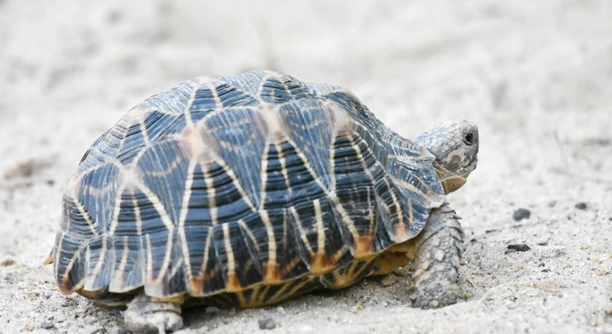
Algae growth in turtle tanks is a common issue that many pet owners face. Understanding the reasons behind this problem can help you take proper steps to manage it and ensure a healthier tank environment for your turtle.
Algae thrive in tanks when there is an excess of nutrients such as nitrogen and phosphates, typically from leftover food, turtle waste, and inadequate filtration. Algae also grow quickly under the influence of light, particularly in warm and humid conditions.
There are simple ways to reduce algae buildup, such as regular cleaning, improving filtration, and managing tank light. These steps can keep your turtle’s environment clear and healthy. Understanding algae’s causes will help maintain a cleaner, more stable habitat.
Why Does Algae Grow in My Turtle Tank?
Algae can quickly take over your turtle tank, and it usually happens when certain conditions are met. It’s important to remember that algae are tiny plants that thrive on light and nutrients. When your turtle’s waste, leftover food, or even decaying plants accumulate in the tank, it creates the perfect environment for algae to grow. The excess nutrients provide them with the food they need, while the tank’s warmth and light encourage rapid growth. If your tank gets plenty of sunlight or is under artificial lighting for too long, algae will flourish, creating that greenish, slimy layer on surfaces. Managing the light levels and keeping the tank clean are key to controlling the algae growth.
A tank that’s not cleaned regularly can trap waste and debris that fuels algae. A balance in the water’s nutrients is essential to prevent it from turning into a green mess.
To reduce algae, maintain good water quality by cleaning the tank regularly. Additionally, making sure there is adequate filtration and controlling the lighting will help manage the algae population. By doing so, your turtle’s habitat will stay healthy, and the algae will be kept under control.
How to Prevent Algae Build-Up in Your Tank
Controlling algae is possible with a few simple steps. The right filtration system is one of the best ways to reduce the buildup of nutrients in your turtle’s tank.
Start by choosing a filter that suits the size of your tank. A good filter helps remove excess waste and keeps the water clean. In addition to filtration, you should also regulate the amount of light your tank gets. Too much sunlight or artificial lighting will only fuel algae. Try limiting the light exposure by placing the tank in a location with indirect sunlight or using a timer for your tank lights. Lastly, avoid overfeeding your turtle. Extra food will only contribute to more waste, which algae love.
By following these simple tips, you can maintain a clean, algae-free tank that’s comfortable for your turtle. Regular tank maintenance is important, as it prevents any issues from developing and helps keep your turtle happy and healthy.
The Role of Water Quality
Water quality plays a major role in controlling algae growth. Poor water conditions lead to an accumulation of nutrients, which algae thrive on. Regular water changes can help maintain water quality and keep algae in check.
Changing the water in your turtle tank regularly is one of the easiest ways to reduce algae buildup. This helps eliminate any excess waste and food that contributes to nutrient levels. Aim for a partial water change every week to keep the water fresh. You should also monitor the water’s pH, ammonia, nitrite, and nitrate levels. Keeping these in check ensures your turtle’s tank is healthy, and algae won’t have the nutrients they need to grow.
In addition to water changes, use a good water conditioner to help break down organic waste in the tank. This helps to reduce nutrient overload and improves overall water quality. Always ensure the water temperature is suitable for your turtle, as higher temperatures can encourage algae growth. A clean tank equals fewer nutrients for algae, making your turtle’s environment healthier and algae-free.
Importance of Proper Tank Lighting
Lighting is one of the biggest factors contributing to algae growth. Too much light can trigger algae to grow faster, while insufficient light can affect your turtle’s health. Getting the right balance is key.
The best approach is to use a timer to limit the light exposure in the tank. This will help simulate a natural day-night cycle for your turtle and prevent the tank from staying lit all day. You should aim for about 10-12 hours of light each day. In addition to controlling light, avoid placing your turtle tank in direct sunlight. Sunlight can cause a sharp rise in algae growth, making it harder to maintain a clean tank.
Try using low-wattage lights specifically designed for aquariums. These lights provide the right amount of illumination for your turtle, without promoting algae growth. If algae still become an issue, consider switching to a type of light that emits less heat, as warm water encourages algae growth.
The Impact of Overfeeding
Overfeeding is one of the main reasons for algae growth in turtle tanks. Leftover food breaks down and increases nutrient levels in the water, which algae feed on. This creates an ideal environment for algae to grow quickly.
To prevent this, only feed your turtle what it can eat in a few minutes. Remove any uneaten food after feeding to avoid excess nutrients. It’s important to offer your turtle the right amount of food for its size and activity level. A feeding schedule will help keep track of how much food is given and reduce waste buildup.
Reducing overfeeding also benefits your turtle’s health, as too much food can lead to obesity or water quality problems. By controlling the amount of food, you’ll prevent unnecessary nutrient buildup and keep the tank cleaner for longer.
The Role of Filtration
A proper filtration system is essential for keeping algae in check. It helps remove excess waste and debris from the tank, preventing nutrient overload. Choosing the right filter for your tank size is key.
Investing in a good filter will help maintain water clarity and quality. The filter should be strong enough to handle the amount of water in your tank. A good filter helps prevent algae by removing organic matter before it breaks down into nutrients. Clean the filter regularly to ensure it operates efficiently and doesn’t become clogged with debris.
Using Algae-Eating Creatures
Introducing algae-eating creatures to your tank can be an effective way to reduce algae growth. Many types of fish, snails, or shrimp are natural algae eaters and can help balance your tank’s ecosystem.
Adding creatures like zebra snails or algae-eating fish such as plecos can assist in controlling algae growth. However, ensure the animals are compatible with your turtle’s environment and won’t compete for food. Monitor their population closely, as an overpopulation of algae-eaters can also become a problem.
FAQ
Why does algae grow so quickly in my turtle tank?
Algae grow rapidly when there are high levels of nutrients like nitrates and phosphates in the water. These nutrients come from excess food, turtle waste, and decaying plants. When the water temperature is warm and the tank is exposed to light for long periods, algae are able to thrive. Poor filtration and infrequent water changes also contribute to the issue by not removing the waste and excess nutrients from the tank. Regular maintenance and proper lighting can help reduce algae growth significantly.
How often should I clean my turtle tank to prevent algae?
To prevent algae, you should clean your turtle tank regularly, ideally once a week. This includes changing about 25-30% of the water, removing waste, and scrubbing the tank surfaces. If you notice excessive algae buildup, you may need to clean more frequently. Clean the filter every 2-4 weeks to ensure it’s working effectively. Regular cleaning helps remove excess nutrients and keeps the tank environment healthier for your turtle.
What is the best way to remove algae from the tank?
The best way to remove algae from the tank is by physically scrubbing the surfaces with a sponge or algae scraper. For tougher algae, you can use a non-toxic aquarium-safe cleaner. Avoid using harsh chemicals, as they can harm your turtle. If the algae are stuck in the substrate, use a gravel vacuum during water changes to help suck them up. Be sure to clean the decorations and filter as well.
Should I reduce the light in my turtle tank?
Yes, reducing the light in your turtle tank can help control algae growth. Algae thrive in tanks with excessive light. Aim to provide your turtle with about 10-12 hours of light per day, simulating a natural day-night cycle. If the tank is exposed to direct sunlight, try moving it to a location with less light exposure. Using a timer for your tank lights can help maintain a consistent lighting schedule.
Can I use algae-eating fish or snails to control algae?
Yes, algae-eating fish or snails can help control algae growth. Snails like zebra snails and fish like plecos or Siamese algae eaters are natural algae eaters and can help keep the tank cleaner. However, make sure these creatures are compatible with your turtle. Some fish may be eaten by turtles, and too many algae-eating creatures can result in overcrowding. Regular monitoring of their population is essential to prevent any problems.
How do I choose the right filter for my turtle tank?
When choosing a filter for your turtle tank, you should consider the size of your tank and the type of filtration it requires. A good rule of thumb is to get a filter that can handle at least 3-4 times the volume of your tank’s water per hour. A canister filter or an external filter is often recommended for turtle tanks due to their powerful filtration capabilities. Make sure the filter is also capable of handling solid waste, as turtles tend to produce more waste than other pets.
What can I do if my turtle tank still has algae despite all the cleaning?
If algae persist despite your efforts, it’s likely that your tank still has an imbalance in nutrient levels, lighting, or filtration. Double-check your feeding routine and ensure you’re not overfeeding your turtle, as excess food can contribute to algae growth. Consider using a water test kit to check for high levels of nitrates or phosphates and adjust accordingly. You may also want to look into adding an algae-eating creature or installing a UV sterilizer, which can help reduce algae growth by killing algae spores in the water.
Can too much filtration cause algae problems?
While good filtration is important for reducing algae, too much filtration can disrupt the balance of the tank’s ecosystem. If the filter is too strong, it may create strong currents that your turtle doesn’t like or cause stress. Additionally, over-filtration might remove beneficial bacteria, which play a crucial role in breaking down waste and keeping the tank’s water balanced. It’s essential to choose a filter with an appropriate flow rate for your tank’s size and your turtle’s needs.
What are some signs that my turtle tank has an algae problem?
The most obvious sign of an algae problem is seeing green, brown, or slimy growth on the tank’s walls, substrate, or decorations. Algae may also appear on your turtle’s basking area. Additionally, you might notice poor water clarity or an unpleasant smell, which indicates that waste and nutrients have built up. If you see these signs, it’s time to take action by cleaning the tank, reducing light, and improving filtration.
How can I balance my turtle’s diet to prevent algae growth?
To balance your turtle’s diet and prevent algae growth, avoid overfeeding. Offer a variety of foods, including pellets, vegetables, and occasional protein. Make sure to remove any uneaten food from the tank to prevent it from decaying and adding extra nutrients. This will not only benefit your turtle’s health but also reduce the chances of algae thriving.
Final Thoughts
Algae growth in a turtle tank is a common issue, but it’s manageable with the right care. Algae thrive in tanks with excess nutrients, poor water quality, and too much light. By keeping these factors under control, you can reduce algae and maintain a cleaner, healthier tank for your turtle. Regular cleaning, proper filtration, and managing light levels are the first steps in preventing algae from taking over. Additionally, monitoring your turtle’s diet and avoiding overfeeding will help keep the nutrient levels in check, preventing excess waste from fueling algae growth.
Using algae-eating creatures like snails or certain fish can also help manage algae, but they should be chosen carefully. Some fish may not be safe for turtles, while others may overcrowd the tank. Ensure the creatures you add are compatible with your turtle and are beneficial to the overall tank ecosystem. It’s also important to maintain a consistent tank routine, including regular water changes, filter cleaning, and monitoring of water parameters like pH and nitrate levels. With these steps, algae can be kept under control and your turtle’s habitat can stay clean and healthy.
Remember, maintaining a turtle tank is an ongoing process. Even with the best care, algae can still appear occasionally, but it can be managed with the right approach. By staying on top of the water quality, light exposure, and feeding habits, you’ll help ensure that your turtle’s tank remains a safe and comfortable environment for your pet. Regular attention to these details will reduce the likelihood of algae becoming a significant problem and keep your turtle’s tank in good shape for the long term.

Hello,
If you enjoy the content that we create, please consider saying a "Thank You!" by leaving a tip.
Every little bit helps us continue crafting quality advice that supports the health, happiness, and well-being of pets around the world, for pets of all shapes, sizes, and species.
We really appreciate the kindness and support that you show us!