
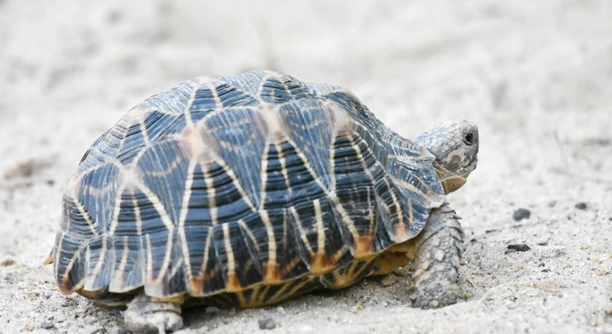
Many turtle owners want to create a comfortable and safe environment for their pets. A well-set-up tank is essential to their health and happiness. Small adjustments can make a significant difference in their well-being.
Improving your turtle’s tank setup involves focusing on water quality, proper lighting, adequate space, and the right accessories. Each of these factors plays a crucial role in ensuring your turtle’s environment meets their needs for optimal health.
With these improvements, you can create a thriving space that supports your turtle’s physical and mental well-being.
Ensure Proper Water Quality
The quality of the water in your turtle’s tank directly impacts its health. Dirty water can cause skin infections, respiratory problems, and stress, leading to poor overall well-being. Regularly check the water’s pH, ammonia levels, and temperature. Using a high-quality filter can help maintain cleanliness. If the water becomes cloudy or has an unpleasant smell, it’s time to change it. A simple water change can reduce the risk of bacteria buildup and improve your turtle’s environment.
A good filter is necessary to remove waste, food particles, and toxins. It helps keep the water clean for longer, reducing the need for frequent changes.
Besides filtration, maintaining a proper temperature is key. Turtles thrive in warm water, ideally between 75°F and 80°F. Cold water can weaken their immune systems, leading to health issues. Regular monitoring of the water temperature with a reliable thermometer ensures your turtle stays comfortable and active.
Provide the Right Lighting
Proper lighting is essential for your turtle’s tank. Turtles need both UVA and UVB light to stay healthy. UVA light provides warmth, while UVB light helps with vitamin D3 synthesis, which is necessary for calcium absorption. Without it, your turtle can develop shell deformities and weakened bones.
UVB bulbs should be replaced every six months, as their effectiveness decreases over time. Ensure the bulb is positioned correctly, about 12 inches above the basking area. Additionally, providing a 12-hour day-night cycle helps your turtle maintain a natural sleep pattern.
Adequate Space for Movement
Turtles need space to swim, bask, and explore. A cramped tank can cause stress and lead to poor health. The minimum tank size for a single adult turtle is 40 gallons, with an additional 10 gallons for each extra turtle. This ensures they have enough room to move freely.
In addition to space, the tank should be arranged to provide different zones for various activities. This includes a water area for swimming and a dry area for basking. The dry area must be large enough for your turtle to completely dry off and warm up under a heat lamp.
Turtles can become territorial if confined to too small of a space. When they don’t have enough room, they may exhibit aggressive behaviors or refuse to eat. Providing ample space will help reduce these risks, allowing your turtle to live a stress-free life.
Proper Tank Accessories
Adding accessories to your turtle’s tank is essential for both comfort and enrichment. A basking platform, floating plants, and a hiding spot can enhance the environment and make your turtle feel more at home. These accessories also help to simulate the turtle’s natural habitat.
Choose accessories that are easy to clean and maintain. Avoid sharp objects or anything that could injure your turtle. The basking platform should be large enough for the turtle to fully rest on and should be positioned close to the heat lamp for effective warming. Additionally, adding plants or rocks gives your turtle a place to explore and hide.
Proper tank accessories help create an environment that supports your turtle’s natural behaviors. A well-equipped tank improves your turtle’s mental and physical health, allowing them to live a more active and fulfilling life.
Proper Filtration System
A reliable filtration system is crucial for maintaining water cleanliness. It helps remove waste, excess food, and harmful chemicals. A strong filter will also ensure that your turtle’s environment stays clean with minimal effort from you. Make sure the filter is suitable for the size of your tank.
Filters need to be cleaned regularly to maintain their effectiveness. Depending on the type of filter, this might mean changing the media or simply rinsing it. Keeping the filter in top condition will reduce the chances of bacteria growth and keep the water clear.
Correct Water Temperature
Maintaining the right water temperature is essential for your turtle’s health. Ideal temperatures range from 75°F to 80°F, which allows your turtle to thrive. If the water is too cold, your turtle could become sluggish and develop health problems.
Use an aquarium heater to regulate the temperature. Ensure that it’s set to the correct range for your turtle’s species. You can also use a thermometer to monitor the water temperature regularly.
FAQ
How often should I clean my turtle’s tank?
Cleaning your turtle’s tank depends on the size of the tank and the number of turtles you have. As a general rule, the tank should be cleaned at least once every two weeks. However, if the tank is smaller or there are more turtles, you may need to clean it more often. Regular water changes and filter maintenance also help keep the tank clean in between full cleanings.
What type of filter should I use for my turtle’s tank?
The best filter for a turtle tank is one that can handle a high volume of water. Canister filters or internal filters are recommended, as they provide powerful filtration to handle waste produced by turtles. Look for a filter rated for at least double the size of your tank. The stronger the filter, the less often you’ll need to do a complete water change.
What is the ideal water temperature for my turtle?
The ideal water temperature for most turtles is between 75°F and 80°F. This range keeps your turtle active and healthy. For tropical species, it’s best to maintain the water slightly warmer. Use a submersible heater to regulate the temperature and ensure a consistent environment. Always monitor the water temperature with a thermometer.
How can I make sure my turtle is getting enough UVB light?
UVB lighting is crucial for your turtle’s health, as it helps them produce vitamin D3 for calcium absorption. Place a UVB bulb in the tank above the basking area. The bulb should be replaced every 6 months, as its UVB output decreases over time. Make sure your turtle has access to the basking area during the day for proper exposure.
Can I have more than one turtle in the same tank?
Yes, but you’ll need to provide enough space for each turtle. It’s best to have at least 40 gallons of water for one adult turtle, with an additional 10 gallons for each extra turtle. Keep in mind that turtles can be territorial, and some species may not tolerate other turtles. Monitor their behavior closely for signs of aggression.
What kind of substrate should I use in my turtle’s tank?
Avoid using fine sand or gravel as a substrate, as turtles may ingest it, which could lead to digestive issues. Instead, use larger stones, smooth river rocks, or a bare bottom tank. These surfaces are easier to clean and reduce the risk of impaction.
Should I provide plants in my turtle’s tank?
Live plants can help mimic your turtle’s natural environment and provide a hiding place. However, be careful with the types of plants you choose, as some may be toxic to turtles. You can also opt for plastic plants, which are easier to maintain. Ensure the plants are securely anchored to avoid them being eaten or uprooted.
How often should I feed my turtle?
Turtles are omnivores, and their diet should be balanced between animal protein and plant matter. Most adult turtles only need to be fed 2 to 3 times per week. Juveniles, on the other hand, need daily feedings. Make sure to offer a variety of food, including pellets, live food, and leafy greens.
Can turtles live without a basking area?
No, turtles need a basking area to regulate their body temperature and dry off. A heat lamp or basking light is necessary for your turtle to properly warm up. Without a basking area, your turtle can develop health issues, such as shell rot or weakened immune systems.
What should I do if my turtle is acting lethargic?
Lethargy in turtles can be a sign of stress or illness. Check the water temperature, cleanliness, and make sure the turtle has access to enough UVB light. If the problem persists, consult a veterinarian who specializes in reptiles to rule out any underlying health issues.
Final Thoughts
Properly setting up a turtle tank is essential for the health and well-being of your turtle. The right tank size, filtration system, and accessories help create an environment that mimics their natural habitat. Space for swimming, basking, and hiding is necessary for turtles to thrive. Without these elements, your turtle could become stressed, leading to health issues. A clean, well-maintained tank with the right temperature, UVB light, and appropriate filtration will keep your turtle healthy and active.
It’s important to regularly monitor the tank’s conditions, including water temperature and cleanliness, as well as check the health of your turtle. A good filtration system can help keep the water clear and reduce the frequency of full cleanings. If you notice any signs of stress, illness, or unusual behavior, it’s best to address the issue as soon as possible. Keeping an eye on your turtle’s activity and making adjustments to the tank setup when necessary ensures that they stay healthy and comfortable.
Creating the ideal habitat for your turtle may take some effort, but it will lead to a happier, healthier pet. Regularly cleaning the tank, providing the proper accessories, and ensuring the correct temperature and lighting are all key to success. By following these guidelines, you can give your turtle the best possible living environment, allowing them to live a long and fulfilling life.

Hello,
If you enjoy the content that we create, please consider saying a "Thank You!" by leaving a tip.
Every little bit helps us continue crafting quality advice that supports the health, happiness, and well-being of pets around the world, for pets of all shapes, sizes, and species.
We really appreciate the kindness and support that you show us!