
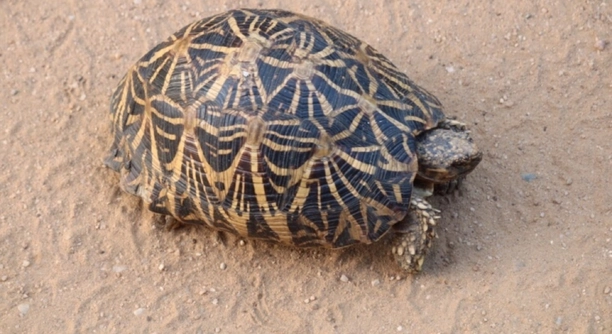
Turtles are unique creatures that require special care to thrive. Many factors can stress them out, affecting their overall health and well-being. Knowing what might cause this stress is key to keeping your turtle happy and healthy.
Several factors can lead to stress in turtles, including improper habitat conditions, diet, handling, and environmental disturbances. Stress can negatively impact their immune system, leading to various health problems, making it crucial to address these issues promptly.
Understanding these stressors is essential for creating a better environment for your turtle. By making small changes, you can help reduce their stress and improve their quality of life.
1. Poor Habitat Conditions
Turtles need a carefully set up habitat to feel safe and comfortable. If their environment isn’t right, it can cause stress. For example, improper lighting, temperature, or humidity can all be harmful. Turtles are cold-blooded, meaning they rely on external sources of heat to regulate their body temperature. Without the right basking areas or water temperature, they may feel uncomfortable and anxious. Additionally, a tank that’s too small or crowded can limit their space to roam, adding to their stress. The water quality must also be kept in check, as dirty water can lead to skin infections and other health problems. Keeping these conditions stable helps your turtle feel more secure.
A properly maintained habitat ensures your turtle feels comfortable and healthy. The right lighting, temperature, and water conditions are key to reducing stress.
A spacious tank with the correct equipment will allow your turtle to live a long, healthy life. Be sure to adjust the temperature to around 75-85°F for the water and 90°F for basking areas. Also, invest in a good water filter to keep the water clean. Regularly check the water’s pH level and chlorine content, as high levels can irritate your turtle’s skin and eyes. Keeping a consistent routine for tank cleaning and maintenance will help reduce stress and prevent illness. Providing adequate space is also vital, as turtles are active creatures that need room to move around. A small or cramped tank will quickly stress them out. A large tank with proper hiding spots and platforms for basking will make a huge difference in your turtle’s well-being.
2. Inconsistent Feeding Schedule
Turtles rely on a predictable feeding schedule. When meals are missed or given at irregular times, it can cause them stress. Regular feeding is important because it helps turtles maintain a balanced diet and avoid unnecessary anxiety. An inconsistent feeding routine can confuse their internal clock, affecting their appetite and overall behavior. Stick to a schedule so they feel safe and know when food is coming. A steady routine also supports healthy digestion, as irregular eating can upset their stomach.
Establishing a consistent feeding time can greatly reduce your turtle’s stress levels. It helps them feel secure and promotes better digestion.
A balanced diet plays a huge role in your turtle’s health. Feeding them a variety of vegetables, protein sources, and commercial turtle food will keep them nourished. However, avoid overfeeding, as this can lead to obesity and health problems. Offer food at the same time each day, and give your turtle time to eat without distractions. If you have multiple turtles, make sure they all have enough space to eat without fighting. This reduces stress and ensures each turtle gets its fair share of food. Make sure to remove any uneaten food to keep the tank clean and free of bacteria.
3. Handling and Overexposure
Turtles don’t like being handled too often. Constant handling can make them feel threatened or stressed. It’s important to let your turtle explore their habitat without constant interaction. Holding them too much can disturb their routine and cause anxiety. Always handle them gently and briefly, only when necessary.
When you do need to handle your turtle, make sure to do so in a calm and safe manner. Avoid picking them up by their limbs or tail, as this can cause pain or discomfort. Instead, gently lift them by supporting their body underneath. When placing them back in their tank, ensure they have a quiet space to relax and get comfortable. Also, avoid exposing them to loud noises or sudden movements during handling. Stressful situations like these can cause a variety of health problems, including loss of appetite or even shell deformities.
The key is respecting your turtle’s need for space and independence. Limit handling to short periods and always allow your turtle time to rest and recuperate afterward. This ensures they don’t feel overwhelmed or anxious. Being mindful of their comfort level will promote a healthy, low-stress environment.
4. Environmental Disturbances
Loud noises, sudden changes in light, and other environmental disturbances can stress out turtles. They are sensitive creatures, and disruptions to their environment can make them feel unsafe. Avoid placing their tank in high-traffic areas or near loud appliances. Consistency and a calm atmosphere are crucial.
If your turtle is in a noisy or busy environment, try moving their tank to a quieter location. Ensure the area stays relatively calm, especially during feeding times or when they need to bask. Turtles rely on their surroundings to feel secure, and too much disturbance can cause them to become anxious. It can lead to behaviors like hiding more often or becoming more defensive. Maintaining a stable, predictable environment allows your turtle to feel more at ease and reduces unnecessary stress.
Additionally, provide proper cover in their tank. A hiding spot or a shelter can give them a place to retreat when they feel threatened. Creating a safe and peaceful space within their habitat helps lower stress levels.
5. Unbalanced Diet
Feeding your turtle the wrong foods can lead to stress and health issues. A diet lacking in essential nutrients can weaken their immune system and make them feel sluggish. It’s important to offer a variety of foods to meet their nutritional needs.
A balanced diet for your turtle includes vegetables, fruits, and proteins. A lack of proper nutrition can cause stress, making them more vulnerable to illness. Stick to a diet that includes leafy greens like kale and dandelion, protein like worms or shrimp, and a variety of safe fruits. Avoid processed or too many high-fat foods.
6. Inadequate Water Quality
Dirty water can seriously stress out your turtle. Turtles spend most of their time in water, and if it’s not clean, it can cause skin and eye infections, affecting their overall well-being. Regular water changes and a good filtration system are vital.
Keeping the water clean is simple but essential. Change the water regularly and make sure the filter is running well. This helps remove waste and keeps the water clear. Check the water’s temperature as well; it should be comfortable for your turtle and in the correct range. Turtles will feel much more relaxed in clean, healthy water.
7. Temperature Fluctuations
Temperature changes can cause stress for your turtle, especially when it comes to basking and water. Turtles need consistent warmth to digest their food and stay healthy. If the temperature is too high or low, they may become sluggish or irritable.
FAQ
What should I do if my turtle is stressed?
If your turtle is stressed, first check their habitat conditions. Ensure the water temperature, lighting, and humidity are at optimal levels. Adjust the size of the tank if necessary and make sure there’s enough space for them to move around. Clean the water regularly and check for any signs of disease. If your turtle is still stressed, limit handling, and ensure they have a quiet, calm environment to rest in. Stress can take time to resolve, so be patient and consistent in your care routine.
How often should I clean my turtle’s tank?
Cleaning your turtle’s tank should be done regularly to maintain a healthy environment. Perform partial water changes every week to keep the water fresh and remove waste. The tank itself should be cleaned every two to four weeks, depending on the size of the tank and the number of turtles you have. Always monitor the water’s pH and temperature, and make sure your filter is working well. A clean tank helps reduce stress and prevents illness.
Can I feed my turtle the same food every day?
While it may seem easier to feed your turtle the same food daily, it’s important to vary their diet. A diverse diet ensures they receive all the necessary nutrients. Offer a mix of leafy greens, vegetables, fruits, and protein sources like insects, fish, or commercial turtle food. This variety helps keep your turtle healthy and reduces the chance of them becoming stressed due to dietary deficiencies.
How do I know if my turtle is too stressed?
Signs of stress in turtles can include loss of appetite, hiding more often, swimming erratically, or acting lethargic. If your turtle shows these signs, take a closer look at their environment and feeding routine. Stress can also cause physical symptoms like shell abnormalities or skin issues. Pay attention to their behavior and health to identify stress early.
Is it normal for my turtle to bask all the time?
It’s normal for turtles to bask, but they should not be doing so excessively. Turtles bask to regulate their body temperature and absorb UVB light, which is important for their health. However, if your turtle is spending too much time basking and not swimming or eating, it could be a sign of stress or an underlying health issue. Ensure their basking area is the correct temperature and that they have access to fresh water for swimming and hydration.
How can I tell if my turtle is sick?
Sick turtles often display changes in behavior. They might become lethargic, lose interest in food, or spend excessive time basking. Physical symptoms like swollen eyes, a soft or cracked shell, or unusual discharge from their nostrils or mouth can indicate illness. If you notice any of these signs, consult with a vet who specializes in reptiles as soon as possible.
Why is my turtle swimming in circles?
Turtles swimming in circles may be showing signs of stress or discomfort. It could be due to improper water conditions, an inappropriate tank size, or a lack of hiding spots. If the behavior continues, check the water quality and ensure that the tank has enough space for your turtle to roam. Circle swimming can also be a sign of a more serious health issue, so monitoring your turtle closely is important.
Can I house different species of turtles together?
It’s not always recommended to house different species of turtles together. Different species may have different habitat requirements, and housing them together could lead to competition for resources, aggression, or stress. Additionally, diseases can spread more easily between species. If you do house multiple turtles, ensure that the tank is large enough to provide each turtle with its own space and that the environment meets all their needs.
How do I keep my turtle from being bored?
Turtles can get bored, which can contribute to stress. Provide plenty of enrichment in their tank. This can include rocks, plants, or logs for them to climb on and hide under. You can also add water features like a current or filter with an interesting flow. Offering new foods occasionally also helps keep them mentally stimulated. Avoid too much handling, as it can cause stress, but ensure they have enough to explore in their tank.
Why is my turtle’s shell soft?
A soft shell can be a sign of a calcium deficiency, which is common in turtles that don’t receive enough UVB light or a balanced diet. Ensure your turtle has access to proper UVB lighting for at least 10-12 hours a day. Also, feed them a diet rich in calcium, such as dark leafy greens, and consider adding a calcium supplement. If the shell remains soft, consult a veterinarian for further evaluation.
Can my turtle get stressed from being in a tank with other pets?
Yes, other pets can stress out your turtle, especially if they are loud or very active around the tank. Dogs and cats are particularly curious and may try to get too close or even disturb the turtle’s space. It’s important to place the tank in an area where it’s safe from the interference of other pets, which can help your turtle feel secure.
How do I manage temperature in my turtle’s tank?
To manage temperature, you’ll need both a basking area and a water section in your turtle’s tank. The basking area should be about 90°F, while the water temperature should be around 75-85°F. Use a reliable heater and thermometer to monitor the water’s temperature and avoid large fluctuations. Providing a heat source will help your turtle regulate its body temperature and feel more comfortable in their environment.
Final Thoughts
Turtles are resilient creatures, but they still need a lot of care to stay healthy and stress-free. A calm and consistent environment is essential for their well-being. By providing the right habitat conditions, including proper lighting, temperature, and water quality, you can reduce stress and help your turtle thrive. Their diet also plays a big role in their overall health. Offering a variety of fresh vegetables, proteins, and occasional fruits ensures they get all the nutrients they need. A balanced diet combined with clean water and appropriate tank size creates a safe space where your turtle can feel at ease.
Handling your turtle with care is another important part of keeping them stress-free. Turtles are not like pets that enjoy constant attention. Handling them too much or too roughly can make them feel threatened. When necessary, always support their body gently and limit physical interaction to avoid overwhelming them. Letting them have time to bask, swim, and explore their tank freely is just as important as any other aspect of care. A good rule of thumb is to handle your turtle sparingly and allow them to establish their own routine.
Lastly, being mindful of environmental factors like noise, other pets, and frequent disturbances is crucial. A peaceful and quiet tank location helps prevent unnecessary stress. If your turtle shows signs of stress, it’s important to identify the cause quickly and adjust their surroundings or routine accordingly. Stress can lead to health problems, so addressing it early on can make a big difference. By staying observant and making adjustments when needed, you’ll help your turtle live a long, happy, and healthy life.

Hello,
If you enjoy the content that we create, please consider saying a "Thank You!" by leaving a tip.
Every little bit helps us continue crafting quality advice that supports the health, happiness, and well-being of pets around the world, for pets of all shapes, sizes, and species.
We really appreciate the kindness and support that you show us!