
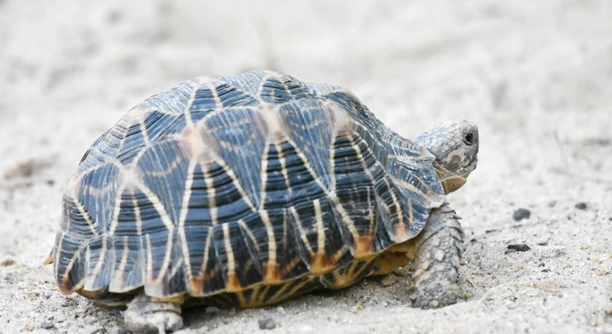
If you’ve noticed that your turtle isn’t eating like it used to, it can be frustrating. A turtle’s lack of interest in food could signal something important, but it’s also often part of their normal behavior.
A turtle’s disinterest in food can stem from various factors, such as stress, poor water quality, seasonal changes, or health issues. Monitoring its environment and overall health is essential in determining the cause and ensuring proper care.
Understanding why your turtle refuses to eat will help you take the necessary steps to get it back on track. Keep reading to learn more about potential reasons and solutions.
Stress and Anxiety in Turtles
Turtles can experience stress for many reasons, and stress can lead to a loss of appetite. If there have been any recent changes to their environment, such as moving to a new tank or a change in temperature, they may feel uneasy. Other causes of stress include the presence of loud noises, sudden movements, or handling them too frequently. Turtles are naturally shy animals, and too much interaction can cause them to feel threatened, leading to anxiety. It’s important to observe your turtle’s behavior and identify anything that might be causing stress, as this could significantly affect their eating habits.
Changing their habitat too often or introducing new tank mates can also make them uncomfortable. When stressed, they may withdraw and stop eating as a coping mechanism. Ensure that your turtle has a safe and peaceful space to thrive. Keeping the tank stable and avoiding unnecessary handling can help reduce stress levels.
A calm environment is essential for your turtle’s well-being. Try to observe them more closely to see if there are any triggers for their anxiety.
Poor Water Quality
Water quality is vital for the health of your turtle. If the water in the tank is dirty or improperly filtered, it can cause your turtle to lose interest in food. Turtles are sensitive to changes in their environment, and unclean water can lead to stress or even illness. Regularly testing the water for proper pH, ammonia, and nitrate levels is crucial to keeping your turtle healthy. If the water is too warm or too cold, this can also affect your turtle’s appetite. A tank with poor water quality can quickly lead to sickness, so frequent cleaning and proper filtration are essential for maintaining a healthy environment.
To improve the water quality, ensure the filter is working correctly and clean the tank regularly. Regular water changes will keep the environment fresh and free of harmful bacteria. Remember to monitor the water temperature and make sure it falls within the ideal range for your species of turtle.
Maintaining clean water will go a long way in encouraging your turtle to eat regularly. It’s one of the simplest yet most effective steps in ensuring its health.
Health Issues
If your turtle isn’t eating, health problems may be to blame. Turtles can suffer from various illnesses, such as respiratory infections or shell rot, which can make them lose their appetite. Checking for signs of illness, like labored breathing, lethargy, or unusual shell appearance, is crucial for identifying health concerns early.
A lack of interest in food can also result from internal parasites or vitamin deficiencies. If your turtle is not eating and appears weak or ill, it is best to seek advice from a veterinarian who specializes in reptiles. Delaying a visit to the vet may worsen the condition and lead to further complications.
Regular check-ups can help catch problems early. If your turtle is sick, it will need specific treatment to get back to health. Taking care of any health issues promptly will improve its appetite and overall well-being.
Seasonal Changes
Many turtles experience a natural decline in appetite during colder months. Turtles are cold-blooded, which means their body temperature depends on their environment. As the temperature drops, their metabolism slows, and they tend to eat less. This is a normal part of their behavior, and it’s usually nothing to worry about.
To ensure your turtle remains comfortable, you can adjust the temperature in its tank to mimic the natural changes that occur during seasonal transitions. For instance, providing a proper basking area with heat will help regulate their body temperature and maintain their appetite. However, don’t make drastic changes too quickly, as that can stress them out.
Understanding your turtle’s natural behavior during colder seasons can help you manage their feeding habits better. If your turtle is eating less during this time, it may be due to its need for rest or to prepare for hibernation.
Diet and Nutrition
Sometimes, your turtle may not eat because of an unbalanced diet. Turtles need a mix of protein, vegetables, and calcium. If their food doesn’t meet their nutritional needs, they may refuse to eat. Offering a variety of foods can encourage your turtle to eat more consistently.
Ensure you’re providing the right amount of protein and vegetables. Too much protein or the wrong vegetables may cause your turtle to lose interest in food. Try to include leafy greens like kale and dandelion, along with occasional protein such as insects or fish.
Overfeeding
Overfeeding can also be an issue. If you feed your turtle too much, it may not feel hungry and may refuse to eat. Try to stick to a proper feeding schedule. A turtle that has been overfed might not eat for a while as it adjusts to the amount of food.
The best way to avoid overfeeding is to offer an amount of food your turtle can consume in 15 to 20 minutes. Leftover food should be removed promptly to prevent contamination of the tank. Regular portion control is key to maintaining a healthy feeding routine.
FAQ
Why is my turtle not eating after I changed its tank?
Turtles can get stressed after a tank change, which can cause them to lose their appetite. They need time to adjust to their new environment. It’s important to ensure that the water quality, temperature, and lighting are optimal. If you recently changed the tank setup, try to give your turtle a few days to settle in. Avoid handling it too much during this time, as stress can make the situation worse.
How long can a turtle go without eating?
The length of time a turtle can go without food depends on its age, health, and species. In general, a healthy adult turtle can go without eating for several days to a few weeks, especially if it’s entering a period of dormancy. However, if your turtle refuses food for more than a week and shows signs of lethargy or other health issues, it’s important to seek advice from a vet.
Should I be worried if my turtle isn’t eating?
It depends on the situation. If your turtle has refused food for a day or two but seems healthy otherwise, it’s probably nothing to worry about. However, if it continues to avoid food for several days or shows signs of illness, it could be a sign of stress, poor water quality, or a health problem. If you’re concerned, a vet visit is always a good idea.
What are some common signs that my turtle is sick?
Turtles often show subtle signs of illness, such as lethargy, wheezing or labored breathing, a lack of appetite, abnormal shell appearance, or swollen eyes. You might also notice changes in their behavior, like hiding more than usual or not basking properly. If you spot these signs, it’s best to consult a vet.
Can temperature affect my turtle’s appetite?
Yes, temperature plays a crucial role in a turtle’s appetite. If the water is too cold or too hot, it can decrease your turtle’s metabolism, causing it to eat less or not at all. Ensure the water temperature is within the ideal range for your species. A basking area with proper heating is also essential for regulating their body temperature.
How do I know if my turtle is just not hungry or if there’s something wrong?
If your turtle has a normal environment, is active, and shows no signs of illness, it’s likely just not hungry. Turtles don’t eat every day, and their appetite can vary depending on age, activity levels, and seasonal changes. However, if it refuses food for several days, especially with signs of illness, it’s time to check the water quality, consider any recent changes in its environment, and consult a vet if necessary.
Can I feed my turtle only vegetables?
While vegetables are an important part of a turtle’s diet, they should not be the only food offered. Turtles are omnivores, meaning they need a mix of animal protein, like insects, fish, and worms, and plant matter. Offering a variety of foods ensures that your turtle receives all the necessary nutrients for good health.
Is it safe to give my turtle human food?
It’s not recommended to feed your turtle human food, as many human foods are not suitable for them and can cause health problems. For example, processed foods or those high in salt or sugar can be harmful. Stick to foods specifically designed for reptiles, along with fresh vegetables, fruits, and insects. Always do research before introducing new foods to your turtle’s diet.
What can I do if my turtle is losing weight?
Weight loss in turtles can be a sign of poor nutrition, a health issue, or stress. If your turtle is losing weight, check its diet, water quality, and overall living conditions. Ensure it’s eating a balanced diet and isn’t under stress. If the weight loss continues or is accompanied by other symptoms, a vet check-up is necessary.
Can my turtle eat the same food every day?
It’s best to avoid feeding your turtle the same food every day, as variety is important for balanced nutrition. Offer a mix of leafy greens, fruits, and animal protein like insects or fish. Rotating foods prevents deficiencies in essential nutrients and encourages healthy eating habits.
Final Thoughts
It’s natural to feel concerned when your turtle isn’t eating, but most of the time, it’s just a temporary issue. Whether it’s due to stress, water quality, or even seasonal changes, turtles have their own way of responding to their environment. It’s important to keep an eye on their behavior and make sure that everything in their habitat is optimal for their needs. When you notice a lack of appetite, take a moment to review their setup, and be patient as they adjust. Sometimes, a simple change in the environment or routine can make a big difference.
If the issue persists, it’s essential to consider the possibility of health problems. Turtles can suffer from illnesses or injuries that might cause them to stop eating. Observing any other signs of distress, such as lethargy, abnormal behavior, or physical changes, can help you determine whether a trip to the vet is needed. A vet who specializes in reptiles can provide a diagnosis and offer the right treatment to get your turtle back on track. It’s always better to address potential health issues early on to avoid more serious complications.
Lastly, always remember that turtles are unique creatures with different needs depending on their species. While some turtles may go through brief phases of reduced appetite, others may have specific dietary requirements or environmental preferences. By paying attention to their individual needs and creating a consistent, stable environment, you can ensure your turtle remains healthy and content. Regularly maintaining their habitat, offering a balanced diet, and minimizing stress will go a long way in keeping your turtle happy and eating well.

Hello,
If you enjoy the content that we create, please consider saying a "Thank You!" by leaving a tip.
Every little bit helps us continue crafting quality advice that supports the health, happiness, and well-being of pets around the world, for pets of all shapes, sizes, and species.
We really appreciate the kindness and support that you show us!