
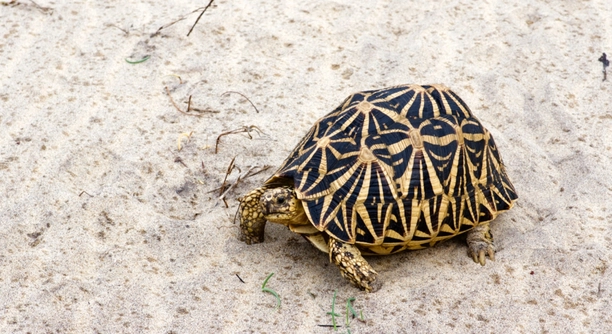
Turtles are fascinating creatures that have been around for millions of years. Their behavior is as unique as their appearance, and there’s a lot more to these animals than just their slow pace. Understanding how they live and interact can be quite interesting.
Turtles exhibit a variety of behaviors, including foraging for food, basking in the sun, and navigating their environment with remarkable precision. Their slow and steady pace is a survival strategy, and their behavior is shaped by their need for protection and finding resources.
From their slow movements to their unique methods of communication, turtles have plenty of surprises. Understanding their behaviors helps reveal the secrets of these ancient creatures and why they are such a key part of the natural world.
Turtles and Their Slow Pace
Turtles are known for their slow movements, but there’s more to this behavior than simply taking their time. Their pace is actually a form of self-preservation. By moving slowly, turtles avoid drawing too much attention to themselves. They blend in with their surroundings, making them less noticeable to predators. This strategy has kept them safe for millions of years. Turtles also have a hard shell, which acts as armor when they feel threatened. So, their slow, cautious pace is a combination of natural instinct and their physical features.
The slow movement is essential for conserving energy. Turtles are not built for speed, and overexerting themselves could leave them vulnerable. Instead, they rely on their shell for protection and their slow, deliberate pace to stay unnoticed.
For turtles, patience is key. They don’t rush, which helps them survive in environments where dangers lurk. Instead of racing to escape predators, they wait it out, knowing their shell can protect them when needed.
Turtles’ Basking Behavior
Turtles spend a significant amount of time basking in the sun. This behavior is essential for regulating their body temperature. As cold-blooded animals, turtles need external heat to stay active. Basking helps them warm up after spending time in colder water.
Basking also allows turtles to absorb necessary UV rays, promoting healthy shell growth and boosting their immune system. By lying on rocks or logs, turtles maximize their exposure to the sun. This behavior helps ensure they remain strong and healthy, ready to navigate their environment with ease.
While basking, turtles are alert to their surroundings, watching for any potential threats. Though they enjoy the warmth, they stay cautious and aware, keeping an eye out for predators. This time is crucial for both their physical health and safety. Basking is just one of the many ways turtles adapt to their environment.
Turtles’ Communication Methods
Turtles communicate in subtle ways, using sounds, body movements, and even touch. When they feel threatened or need to signal to others, they may make low, grunting noises. These sounds are not loud but are enough to convey their discomfort or alert others to potential danger.
Besides vocalizations, turtles also rely on their body language to communicate. For example, they may stretch their necks or use head bobs to signal to other turtles, especially during mating season. These gestures can indicate dominance or readiness to mate. Turtles also touch each other’s shells in a friendly or social manner, further strengthening their communication.
Though their communication methods may seem quiet and subtle, turtles are aware of their surroundings and actively interact with each other. These actions, often overlooked, play an important role in their social lives and survival. Their ability to convey messages through nonverbal signals is key to their interactions in both the wild and captivity.
Turtles’ Feeding Habits
Turtles are often opportunistic feeders, eating whatever is available to them. Their diet typically consists of plants, small animals, and insects. In the wild, they will consume aquatic plants, algae, and even small fish. This varied diet helps them get the necessary nutrients for survival.
Some species of turtles are more herbivorous, preferring grasses, fruits, and leaves. Others are omnivorous and will eat both plant and animal matter. In captivity, it’s important to provide a balanced diet to mimic their natural feeding behavior. A diet of pellets, vegetables, and occasional protein sources will help keep them healthy.
Turtles’ feeding habits are also affected by the time of year. During colder months, some species enter a state of brumation, where they eat less or stop eating altogether. Understanding their seasonal needs and providing the proper diet is crucial for maintaining a healthy turtle. This allows them to thrive in both natural and captive environments.
Turtles’ Nesting Behavior
When it’s time to lay eggs, female turtles leave the water and make their way to sandy shores. They dig a hole, lay their eggs, and cover them up to protect them from predators. This process is repeated each nesting season.
After laying their eggs, female turtles return to the water, leaving the eggs behind to incubate naturally. The temperature of the sand determines the gender of the hatchlings. Warmer sand tends to produce more females, while cooler sand leads to more males. This natural method ensures a balanced population in many species.
Turtles’ Lifespan
Turtles are known for their long lifespans, with some species living over 100 years. Their slow pace, combined with low metabolism, contributes to their ability to live so long. Most turtles are also protected by their hard shells, adding another layer of defense against predators.
Turtles’ longevity is linked to their slow growth and minimal energy expenditure. Because they don’t need to rush, they avoid many of the risks that other faster animals face. Their ability to endure harsh conditions also helps them live longer. This resilience is part of what makes them such ancient creatures.
Turtles’ Swimming Ability
Turtles are strong swimmers, and they spend a large portion of their lives in the water. Their flippers are specially adapted for propulsion, allowing them to move gracefully through the water. This helps them escape predators and find food.
In the water, they are incredibly efficient, using their flippers to glide with minimal effort. Turtles can swim long distances without tiring, which is essential for migratory species that travel across oceans. Their streamlined bodies reduce resistance, allowing them to swim quickly and effortlessly when needed.
FAQ
Why do turtles bask in the sun?
Turtles bask in the sun to regulate their body temperature. As cold-blooded animals, they rely on external heat sources to warm up, which helps them stay active. Basking also allows them to absorb ultraviolet light, which is important for their health. UV rays help promote shell growth and maintain a strong immune system. Without sufficient sun exposure, turtles can become sluggish or even ill, so basking is a crucial part of their daily routine.
How long do turtles live?
Turtles are known for their long lives, with many species living over 50 years. Some can even surpass 100 years, especially in the wild. Factors like species, environment, diet, and protection from predators influence their lifespan. The key to their longevity lies in their slow metabolism, cautious behavior, and protective shells. While turtles in captivity may not live as long due to different environmental factors, many can still live for decades when properly cared for.
Do turtles sleep?
Yes, turtles sleep, although not in the same way humans do. They don’t have a regular sleep cycle but tend to rest frequently. Turtles sleep both during the day and at night, depending on their species and environment. In the wild, they often find quiet, safe spots to sleep, such as under water or on land, where they can retreat from predators. Their sleep is lighter compared to mammals, as they remain alert to possible threats.
Can turtles live on land?
Some turtle species, like tortoises, spend most of their lives on land. However, other turtles, especially aquatic species, need water to survive. They can live on land for short periods, but they must return to water to stay hydrated and for feeding. Land-dwelling turtles, like tortoises, are adapted to dry, terrestrial environments, while aquatic turtles rely on water to maintain their health and well-being.
What do turtles eat?
Turtles have varied diets depending on their species. Some are herbivores, eating mostly plants, fruits, and vegetables, while others are omnivores and eat both plants and animals, such as insects, small fish, and aquatic plants. In captivity, they may be fed a combination of turtle pellets, vegetables, and occasional protein. Proper diet is important for their health, and it’s important to understand the specific needs of each turtle species to ensure they get the right nutrients.
How do turtles communicate?
Turtles communicate in a few ways. They use body movements, sounds, and touch to signal to other turtles. For example, they may bob their heads to show dominance or during mating displays. They can also make soft vocalizations, such as grunting or hissing, to communicate discomfort or alert others to danger. Turtles are social animals, and though their communication is more subtle than some species, it still plays an important role in their interactions.
Can turtles feel pain?
Yes, turtles can feel pain. Their nervous systems are complex, and they have the ability to experience discomfort. They can feel physical pain when injured or when they are stressed. It’s essential to handle turtles carefully to avoid causing harm. Ensuring their well-being means minimizing stress and providing a safe, comfortable environment where they can thrive.
How do turtles protect themselves from predators?
Turtles primarily rely on their hard shells for protection. When threatened, they can retract their heads and limbs into their shells, effectively hiding from predators. This natural defense mechanism has helped turtles survive for millions of years. Some species may also escape by swimming away, especially aquatic turtles. Turtles’ slow and cautious nature also keeps them out of harm’s way, as they tend to avoid risky situations when possible.
Are turtles endangered?
Many turtle species are considered endangered due to habitat loss, poaching, pollution, and climate change. The destruction of their natural habitats, such as beaches for nesting or aquatic environments, poses a serious threat to their populations. Conservation efforts are in place to protect these animals, but much work is still needed to ensure their survival. It’s important to be aware of the impact human activities have on turtle populations and support sustainable practices to protect them.
What should I do if I find a turtle in the wild?
If you find a turtle in the wild, the best thing you can do is observe it from a safe distance. If it’s a land turtle, be mindful of traffic or other hazards and consider gently helping it cross the road in the direction it was heading. For aquatic turtles, it’s important not to disturb their habitat. If the turtle appears injured or in distress, contact a wildlife rehabilitation center for assistance. Turtles are best left in their natural environment to ensure they continue to thrive.
Final Thoughts
Turtles are remarkable creatures with a unique way of life. From their slow and steady movements to their careful approach to survival, they’ve adapted to a variety of environments over millions of years. Their behaviors, such as basking in the sun, communicating through subtle body language, and even their feeding habits, are all essential for their health and well-being. Understanding these behaviors not only deepens our appreciation for these ancient animals but also highlights the importance of preserving their habitats.
The longevity of turtles is another fascinating aspect. Their ability to live for decades, and in some cases, over 100 years, speaks to their resilience. They have found ways to protect themselves, whether it’s by retreating into their hard shells or by carefully navigating their environment. However, many turtle species face serious threats, including habitat destruction, pollution, and climate change. It’s essential that we support conservation efforts to ensure they continue to thrive in the wild. Turtles are an integral part of our ecosystems, and their survival impacts the balance of nature.
Caring for turtles, whether in the wild or in captivity, requires understanding their specific needs. Ensuring they have the right diet, safe environments, and minimal stress is crucial for their well-being. By taking small steps, such as supporting turtle conservation programs, reducing plastic waste, and protecting their natural habitats, we can all contribute to their survival. Turtles, though often overlooked, play an important role in the environment, and it’s up to us to help protect them for future generations.

Hello,
If you enjoy the content that we create, please consider saying a "Thank You!" by leaving a tip.
Every little bit helps us continue crafting quality advice that supports the health, happiness, and well-being of pets around the world, for pets of all shapes, sizes, and species.
We really appreciate the kindness and support that you show us!