
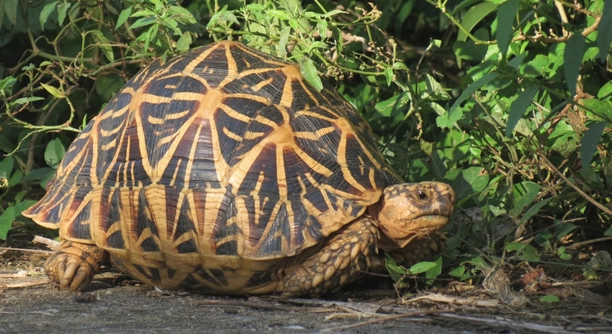
Turtles are fascinating creatures, but it can be concerning when they start biting their own legs. This unusual behavior may cause some worry for turtle owners, especially if it’s not something you’ve seen before.
The most common reasons for a turtle biting its legs include stress, injury, or a behavioral issue such as boredom. These factors can lead to repetitive movements like biting, which can result in injury if not addressed promptly.
Understanding why your turtle is engaging in this behavior will help you resolve the issue and keep your pet healthy. Proper care and attention can ensure your turtle’s well-being and comfort.
Common Causes of Turtle Biting Behavior
Turtles biting their legs can be unsettling for any pet owner. The behavior is often linked to stress or discomfort in their environment. Stress can come from factors like poor water quality, inadequate basking areas, or an overcrowded tank. If your turtle feels cramped or unsafe, it might start engaging in repetitive behaviors like biting its legs. In some cases, it could also be a result of boredom, particularly if the turtle has little to do in its environment. A lack of stimulation can lead to undesirable actions as the turtle seeks out ways to entertain itself.
It’s important to regularly check the conditions in the tank. This includes making sure the water is clean and at the correct temperature. Adequate space to move around and bask is also essential.
If the environment checks out, stress could also be related to changes in routine or the presence of other animals. Ensure that your turtle’s habitat remains consistent to help reduce any anxiety they may be feeling.
Injury or Illness
Turtles may bite their legs due to physical pain or discomfort. If a turtle suffers an injury, it might try to bite or nibble at the affected area in an attempt to soothe it. This can also happen if the turtle has a condition like a shell infection or parasites. Injuries that go unnoticed can lead to further problems, making the situation worse. If the behavior persists despite proper care, a visit to the vet may be necessary.
A veterinarian can assess the turtle’s health, diagnose any hidden issues, and provide treatment to alleviate pain. It’s crucial to not ignore these signs, as untreated injuries or infections can become serious and affect your turtle’s overall health.
How to Address Turtle Biting
To address biting behavior, start by improving the turtle’s environment. Ensure the tank is spacious, clean, and free from stressors. Add hides and toys to keep your turtle entertained. If the behavior continues despite making environmental adjustments, it may be worth consulting with a vet. A vet can help diagnose any underlying health issues that may be contributing to the behavior. Sometimes, changes to diet or water quality are necessary to keep your turtle in optimal health.
It’s also helpful to monitor your turtle’s activity and behavior closely, keeping an eye out for any other unusual actions. A calm, stress-free environment, combined with regular vet checkups, is key to your turtle’s well-being.
Stress from Environment
A stressful environment is one of the main reasons a turtle might start biting its legs. This can occur due to improper tank conditions or insufficient space. Turtles need an area where they can move freely, bask, and swim without feeling confined. If their living conditions are cramped or unclean, they may feel overwhelmed, leading to abnormal behaviors like biting.
A lack of hiding spots or safe spaces in the tank can add to the stress. Turtles need a retreat where they feel secure, so make sure there are areas to hide and rest. Keeping the tank’s temperature and water quality within proper ranges also helps reduce stress.
Regularly clean the tank, remove any waste, and ensure the filtration system is working well. These actions help maintain a healthy environment, keeping your turtle more at ease. Reducing stress in your turtle’s habitat can prevent repetitive behaviors like biting and ensure your pet feels comfortable.
Boredom and Lack of Stimulation
If your turtle isn’t getting enough stimulation, it may begin to bite its legs as a way to entertain itself. Turtles are naturally curious and need activities to stay mentally engaged. Without things to do, they may resort to repetitive actions like biting, which can lead to injury over time.
Adding toys, hiding spots, and objects to interact with can make a big difference. You can also vary the turtle’s environment by adding plants or even changing the layout of the tank. These changes provide mental stimulation and keep your turtle engaged.
Turtles also benefit from being allowed to roam outside their tanks in a safe, controlled area. These activities allow them to explore and can help prevent boredom. A variety of activities and changes will keep your turtle healthy, active, and happy.
Health Issues
Sometimes, biting behavior is a sign of an underlying health issue. If a turtle is in pain, it might bite at its legs to try to soothe itself. This could be due to a wound, shell infection, or parasites. These issues can cause significant discomfort, leading the turtle to engage in unusual behaviors like biting.
Checking your turtle for signs of injury or illness is crucial. Look for wounds, swelling, or changes in its shell. If there is any sign of infection or injury, it’s important to take your turtle to a vet for treatment.
Ignoring these signs can result in long-term health problems. Early detection and proper care will help avoid complications. Keeping a close eye on your turtle’s health can prevent further pain and discomfort.
Overcrowding in the Tank
Overcrowding is another common cause of biting. When multiple turtles share a tank, they may feel stressed or territorial, leading them to engage in harmful behaviors like biting their own legs. Each turtle needs enough space to move around without constant competition or confrontation.
If you have multiple turtles, consider increasing the size of their tank or separating them to reduce stress. Ensuring proper space for each turtle can prevent behavioral issues like biting. Monitoring their interactions is also important. If aggression or bullying is observed, it may be best to house them separately.
Insufficient Diet
An improper diet may lead to abnormal behavior, including biting. If your turtle isn’t receiving enough nutrients, it could be a sign that it’s struggling to meet its dietary needs. A well-balanced diet is crucial for your turtle’s overall health and behavior.
Offering a variety of foods such as leafy greens, protein, and vitamin-rich fruits can help maintain its health. If your turtle is not eating enough or is showing signs of malnutrition, it might act out due to frustration or discomfort. A proper diet will keep your turtle’s behavior in check.
Water Quality
Water quality plays a vital role in the health of your turtle. Poor water quality can lead to stress, skin infections, and even shell problems, which could result in biting behavior. Turtles are sensitive to changes in water temperature and cleanliness.
Regularly change the water, monitor pH levels, and ensure that the tank has proper filtration. Clean water is essential for preventing health issues that could trigger abnormal actions like biting. Without proper maintenance, the turtle’s overall health can deteriorate, leading to further stress and discomfort.
FAQ
Why is my turtle biting its legs?
Turtles might bite their legs due to stress, boredom, or health problems. Environmental factors like poor water quality, overcrowding, or insufficient space can make a turtle feel anxious, leading to repetitive behaviors like biting. Also, if a turtle is injured or unwell, it may bite at its legs to try to ease the discomfort. Addressing the cause of stress or seeking veterinary help for health concerns can help prevent this behavior.
Can stress cause a turtle to bite its own legs?
Yes, stress is a major cause of biting in turtles. Factors such as poor tank conditions, overcrowding, or lack of proper hiding spots can make a turtle feel unsafe. When a turtle is stressed, it may engage in repetitive behaviors like biting, which can lead to injury. Providing a calm, spacious, and clean environment can reduce stress and help prevent biting.
What should I do if my turtle is biting its legs?
Start by inspecting the tank conditions. Make sure the water is clean, the temperature is right, and there’s enough space for your turtle to move freely. Check for signs of injury or illness that could be causing pain. If the behavior persists despite a good environment, a vet visit may be necessary to rule out health issues.
Can boredom cause a turtle to bite its legs?
Yes, boredom is a common cause of biting behavior. Turtles are curious animals that need mental stimulation. If they don’t have enough things to do, they might resort to biting as a way to entertain themselves. Adding toys, plants, or structures to the tank can keep your turtle busy and prevent this behavior.
Is it safe for a turtle to bite its own legs?
No, biting can lead to injury and infections, especially if the turtle breaks its skin or causes damage to its legs. Repetitive biting can also result in further stress, making the situation worse. Addressing the root cause of the behavior and providing a proper environment is essential to prevent harm.
How can I improve my turtle’s environment to stop it from biting?
To reduce biting, improve your turtle’s living conditions. Ensure the tank is spacious, clean, and has proper filtration. Add hiding spots, basking areas, and objects that provide mental stimulation. Regularly clean the tank and monitor water quality to reduce stress. If you have multiple turtles, consider separating them to prevent territorial issues.
Can a bad diet lead to biting behavior in turtles?
Yes, an improper diet can contribute to biting. Turtles need a balanced diet that includes leafy greens, protein, and occasional fruit. Nutritional deficiencies can cause discomfort, leading to abnormal behaviors like biting. Make sure your turtle is getting enough food and the right types of nutrients to stay healthy and happy.
Should I separate my turtles if one is biting its legs?
If one turtle is biting its legs, it might be due to stress caused by overcrowding or territorial issues. If you have multiple turtles in the same tank, consider separating them to give each turtle its own space. Overcrowding can lead to aggression and stress, which may cause biting behavior.
How do I know if my turtle is sick or just stressed?
If your turtle is biting its legs, it’s important to check for other signs of illness, such as lethargy, loss of appetite, or abnormal shell appearance. If your turtle has a clean, well-maintained tank but is still biting, it could be stressed. However, if there are other symptoms like swelling, redness, or unusual behavior, a vet visit is needed to rule out illness.
What are some signs that my turtle might be in pain?
Turtles in pain may show signs such as reluctance to move, abnormal postures, or biting at their legs or shell. If your turtle is injured or has a health problem, it may appear lethargic or stop eating. Any unusual behavior or physical changes should be checked by a vet to ensure the turtle isn’t suffering.
How often should I clean my turtle’s tank to prevent biting?
Regular cleaning is crucial to prevent stress and maintain a healthy environment. Change the water at least once a week, depending on the tank size and filtration system. Remove any debris, uneaten food, and waste to keep the tank clean. A clean tank reduces the chances of infection and discomfort, which can lead to biting.
Can overfeeding a turtle cause it to bite its legs?
Overfeeding can lead to health issues, such as obesity or digestive problems, but it is less likely to cause biting behavior. However, a poorly managed diet could contribute to boredom or stress, which might result in biting. Feeding your turtle the appropriate amount of food and offering variety in its diet will help prevent discomfort and abnormal behaviors.
Final Thoughts
Turtles biting their legs can be concerning, but it’s usually a sign that something in their environment or health isn’t quite right. Most often, it’s caused by stress, boredom, or an underlying health issue. Understanding the reasons behind this behavior is important so you can take the right steps to address it. By observing your turtle’s habits closely and making necessary adjustments to its living space, you can help prevent further biting and ensure your turtle remains healthy and comfortable. Providing a spacious, clean environment with enough stimulation is key to keeping your turtle happy.
It’s also essential to pay attention to your turtle’s diet. A poor diet can lead to nutritional deficiencies, causing discomfort or even behavioral issues like biting. Make sure your turtle gets a balanced diet, including leafy greens, proteins, and the occasional fruit. If your turtle continues biting despite improvements in its environment and diet, it could be due to an undiagnosed health issue, such as an injury or infection. In such cases, seeking advice from a vet is always a good idea. Addressing any health problems early on can prevent further complications and help your turtle recover.
Ultimately, the most important thing is to maintain a healthy, stress-free environment for your turtle. Clean water, proper tank size, and regular vet checkups are all part of the responsibility of being a turtle owner. By staying proactive, observing your turtle’s behavior, and making adjustments as needed, you can create a space where your turtle feels safe and secure. This will help prevent unwanted behaviors, including leg biting, and promote long-term well-being. Taking care of your turtle’s environment, diet, and health will go a long way in ensuring its happiness and comfort.

Hello,
If you enjoy the content that we create, please consider saying a "Thank You!" by leaving a tip.
Every little bit helps us continue crafting quality advice that supports the health, happiness, and well-being of pets around the world, for pets of all shapes, sizes, and species.
We really appreciate the kindness and support that you show us!