
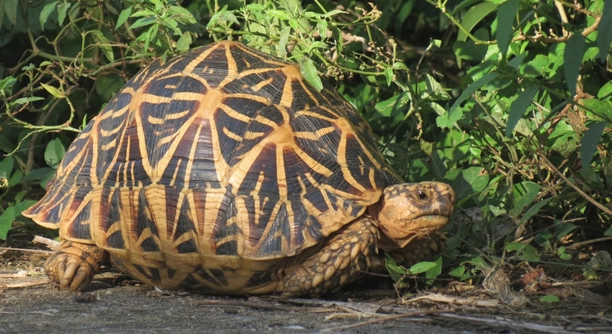
Turtles are fascinating creatures, but when they start acting oddly, it can be concerning. Understanding their behavior can help you identify potential issues. Sometimes, strange behavior signals something small or bigger that needs your attention.
Turtles may exhibit unusual behaviors due to factors such as illness, improper habitat conditions, stress, or poor diet. Their actions may also be linked to environmental changes or their natural biological processes, requiring observation and proper care to determine the cause.
Recognizing why your turtle might be acting strange can help you take the right steps. A closer look at their surroundings, health, and habits may offer helpful clues. Understanding their needs can ensure they remain happy and healthy.
Poor Water Quality
Water quality plays a big role in a turtle’s health and behavior. When their environment is not clean, it can lead to stress or illness, making them act strange. Turtles are sensitive to changes in water conditions, and dirty water can irritate their skin, shell, or respiratory system. If the water is too warm or too cold, it can affect their overall behavior. Poor filtration and stagnant water also contribute to unhealthy living conditions, making it harder for your turtle to thrive.
Water temperature, pH levels, and cleanliness should always be checked. Turtles need clean water to stay healthy and active. If the water isn’t properly filtered, bacteria can grow and affect their health, making them uncomfortable. This discomfort may lead to changes in behavior, such as hiding more often or becoming less active.
Make sure to regularly clean the tank and monitor the water’s temperature to keep it within the right range. If your turtle is acting strange, checking water quality should be one of the first things you address. Clean, healthy water is essential for keeping your turtle comfortable and happy.
Stress from Handling
Handling your turtle too much can cause stress. Turtles are not fond of being picked up or disturbed often. Stress can show up in different ways, like not eating or hiding more than usual. It may also lead to aggressive behavior or a lack of interest in their surroundings.
Stress can stem from overhandling or sudden changes in their environment. If they feel threatened, they may retreat into their shells or act aggressively. Turtles need space and time to adapt to new situations. Keeping their environment calm and predictable is crucial.
Improper Diet
A poor diet can make your turtle act strange. If your turtle isn’t getting the proper nutrients, it can affect their health, causing them to behave unusually. Turtles need a balanced diet of vegetables, protein, and vitamins. Without the right foods, they might become lethargic or refuse to eat.
An imbalanced diet can lead to a variety of issues. For example, too much protein can cause kidney problems, while a lack of calcium can affect their shells. Some turtles need more vegetables, while others need more animal-based foods. Pay attention to their species-specific needs to make sure they’re getting the best diet.
A turtle’s behavior often reflects their overall health, and an improper diet will quickly show up. You might notice them acting sluggish, refusing to eat, or even becoming more aggressive. Regularly providing the right foods ensures your turtle stays healthy and energetic, preventing unwanted behavioral changes.
Temperature Issues
Turtles are cold-blooded creatures, so their environment’s temperature directly affects them. If the temperature is too hot or too cold, it can make them act strangely. They may become lethargic or retreat into their shells more often.
Temperature imbalances in their habitat can slow their metabolism, making them less active. If the water is too cold, they may become sluggish and stop eating. Conversely, too much heat can cause them stress and discomfort. Turtles need a specific range of temperatures to stay healthy.
Monitoring both water and air temperatures is crucial. A basking spot with proper heat helps regulate their body temperature, while cooler areas in the water let them cool down when needed. Keeping temperatures steady can prevent unnecessary stress and odd behaviors.
Illness or Injury
If your turtle is acting strange, it could be due to an illness or injury. Turtles can hide their symptoms well, so it’s important to keep an eye on any changes in behavior. Sick or injured turtles may refuse to eat or become unusually inactive.
Signs of illness can include swollen eyes, wheezing, or abnormal shell growth. They might also seem disoriented or lethargic. If your turtle starts acting strange and you can’t find any obvious environmental cause, a vet visit is the best option. Timely care can prevent serious problems.
Breeding Behavior
During mating season, turtles may act differently. Males, in particular, may become more aggressive and try to court females by swimming rapidly or tapping on their shells. This behavior is natural and not a sign of distress.
If you notice your turtle acting out of character, it could just be seasonal breeding behaviors. It’s common for turtles to act more restless, especially during the warmer months. Understanding these patterns can help you avoid unnecessary worry.
FAQ
Why is my turtle hiding more than usual?
Turtles often hide when they are stressed, sick, or uncomfortable in their environment. If your turtle is hiding frequently, check the water quality and temperature. Hiding could also be a sign of illness or injury, so it’s important to monitor other behaviors closely. If the hiding behavior persists, a vet check is a good idea. Sometimes, turtles hide during shedding periods as well, which is normal.
How do I know if my turtle is sick?
If your turtle refuses food, seems lethargic, has abnormal shell growth, or displays unusual behavior like floating or rapid breathing, these could be signs of illness. Turtles are masters at hiding symptoms, so pay attention to any behavioral changes. If in doubt, consult with a reptile vet for a thorough checkup. Early intervention can prevent severe issues.
Can my turtle get lonely?
Turtles are solitary creatures by nature, so they typically don’t experience loneliness in the same way humans or some other pets do. However, some turtles may become stressed in small tanks or if they feel threatened by tank mates. Stress from overcrowding or territorial disputes can lead to strange behavior. Make sure your turtle’s environment is spacious enough and has the proper hiding spots to avoid these issues.
Why is my turtle not eating?
A loss of appetite in turtles can be caused by stress, changes in water temperature, or an improper diet. If the water is too cold or dirty, your turtle may stop eating. Illness can also lead to a lack of appetite. Offering fresh, varied foods and ensuring the tank is at the right temperature may help encourage eating. If the problem persists, consult a vet.
What should I do if my turtle’s shell is soft?
A soft shell is usually a sign of calcium deficiency, often caused by an inadequate diet or lack of proper lighting. Turtles need UVB light to help them process calcium. Make sure your turtle has access to the right UVB lighting and provide calcium supplements if needed. A soft shell may also indicate a health issue, so it’s best to get a vet’s opinion.
Is it normal for my turtle to swim upside down?
If your turtle is swimming upside down for an extended period, it could be a sign of an issue like buoyancy problems, an injury, or an illness affecting its limbs or shell. Turtles usually swim with their bellies facing down, so if your turtle is struggling, check the water temperature and the overall health of your pet. If this behavior continues, it’s a good idea to have a vet evaluate your turtle.
Why is my turtle acting aggressive?
Aggressive behavior in turtles is usually tied to mating season, territorial disputes, or stress. Male turtles are especially prone to aggressive behavior when trying to court females. They might chase, nip, or bump into other turtles. If aggression occurs outside of mating season, it could indicate stress due to environmental factors or overcrowding. Address any issues in the habitat to reduce stress and aggressive behavior.
How often should I clean my turtle’s tank?
Cleaning your turtle’s tank depends on the size of the tank and the number of turtles. Generally, you should clean the tank every 1-2 weeks. It’s important to replace the water frequently and clean the filter to prevent bacteria buildup. Regular maintenance ensures a healthy living environment for your turtle and prevents issues like water quality problems, which can affect their behavior.
Why does my turtle bask so much?
Basking is a natural behavior for turtles. They do this to regulate their body temperature and to absorb UVB light, which helps with calcium absorption and overall health. Turtles need a warm spot to bask, and they will often spend several hours there each day. If your turtle is basking more than usual, it could mean that their habitat is too cold, and they are trying to warm up.
Can I keep multiple turtles together?
Turtles can be kept together, but it depends on the species and the size of the tank. Some turtles are more territorial than others and may become aggressive. It’s important to ensure that there is enough space in the tank to allow each turtle to have its own area, including hiding spots and basking spots. You should also monitor them for signs of aggression or stress. If your turtles are fighting, it may be necessary to separate them to avoid injury.
How can I tell if my turtle is dehydrated?
Signs of dehydration in turtles include sunken eyes, a dry or flaky shell, and lethargy. If your turtle is not drinking enough water or its tank is too dry, it may become dehydrated. Make sure the water is clean and that your turtle has access to a proper humidity level. You can also soak your turtle in lukewarm water for 15-20 minutes to help them rehydrate if you suspect dehydration. If symptoms continue, consult a vet.
Why is my turtle’s shell turning black?
A blackening shell can be a sign of infection, often caused by poor water quality or untreated injuries. It could also be a sign of shell rot, a bacterial infection that requires immediate treatment. If your turtle’s shell is discolored, it’s important to have it examined by a vet. Regularly cleaning the tank and ensuring proper water conditions can help prevent this issue.
Final Thoughts
Turtles are fascinating creatures, but understanding their behavior can sometimes be tricky. If your turtle is acting strangely, it’s important to observe their environment and habits closely. Common issues like water quality, temperature, diet, and stress can affect their behavior. By paying attention to these factors, you can usually pinpoint the cause and make adjustments to help your turtle feel better. Regular maintenance of their habitat, including water changes and proper lighting, is crucial for their overall health.
It’s also important to remember that turtles are creatures of habit and may act differently at certain times of the year. Breeding seasons can lead to increased aggression or restlessness, while shedding can cause them to hide more often. Understanding these natural behaviors can help you avoid unnecessary worry. If, however, you notice unusual symptoms such as refusal to eat, lethargy, or abnormal shell growth, it’s best to consult a veterinarian. Turtles are good at hiding their illnesses, so catching potential problems early is important.
Ultimately, caring for a turtle requires patience and attention to detail. Keeping their habitat clean, providing a balanced diet, and ensuring they have the right temperature and lighting are key. If your turtle is acting strangely, it’s not always a cause for concern, but it’s important to investigate further. With the right care, your turtle will remain healthy and active, allowing you to enjoy their company for years to come.

Hello,
If you enjoy the content that we create, please consider saying a "Thank You!" by leaving a tip.
Every little bit helps us continue crafting quality advice that supports the health, happiness, and well-being of pets around the world, for pets of all shapes, sizes, and species.
We really appreciate the kindness and support that you show us!