
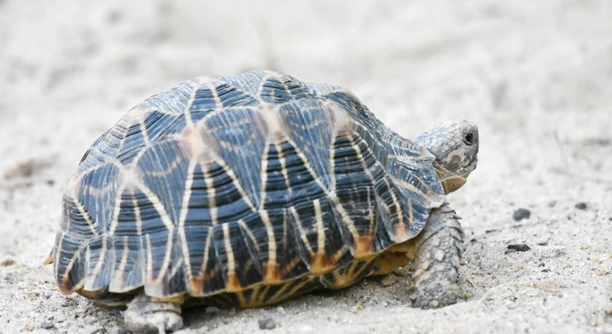
Turtles are fascinating creatures, and their behavior can often be puzzling. If you’ve noticed that your turtle seems more active at night, you’re not alone. Many pet owners observe this shift in their turtle’s activity.
Turtles are naturally more active at night due to their crepuscular or nocturnal nature. Their internal biological clocks influence their activity patterns, and environmental factors, such as temperature or light, can also impact when they are most active.
Understanding why your turtle behaves this way will help you care for them properly. Keep reading to learn more about their nocturnal habits and what this means for their health.
Why Do Turtles Act More Active at Night?
Turtles are known for their calm and slow nature, but this can change when the sun sets. Many pet owners notice their turtles becoming more active at night. This behavior is part of their natural instincts, and it’s often linked to their crepuscular or nocturnal tendencies. Turtles, especially species like red-eared sliders, tend to be more active during dawn and dusk. During the day, they usually rest, basking in the warmth. At night, however, they become more curious, exploring their environment. The change in behavior is usually not a cause for concern, but it’s important to understand why it happens.
While turtles have their own biological clocks, environmental factors such as light, temperature, and habitat conditions play a role in their activity. If their habitat is warmer during the day or there is too much light, your turtle might adjust its schedule. This adjustment could lead to increased activity when the sun goes down, when the temperature is cooler, and light levels are lower.
Understanding these behaviors can be helpful in creating a suitable environment for your turtle. If you notice any sudden changes in their patterns, you may want to adjust their living space to better suit their needs. Turtles require time to rest and bask in natural sunlight, but they also need an environment where they can thrive after the sun sets. If they’re getting too active, it could be because their space is not optimized for them to feel comfortable during the day. Consider the light, temperature, and space available to your turtle to ensure they are healthy both day and night.
How To Adjust Their Habitat For Better Sleep
Changing a turtle’s environment may be all that’s needed to help balance their day and night activities. A habitat with proper light and heat conditions encourages healthy behavior.
You can try adding a light cycle or adjusting the water temperature, making sure your turtle has a space to relax away from excessive light at night. A night light on a timer can also help maintain a natural rhythm.
Light and Temperature Impact on Activity
Light and temperature are crucial for your turtle’s behavior. If their environment isn’t right, it can lead to increased nighttime activity.
Turtles are sensitive to changes in light and temperature. If their habitat is too bright or warm during the day, they might stay awake longer, disrupting their natural rhythm. Turtles need a cool, dark environment to rest properly. A proper day/night cycle is vital for their health and well-being. It’s important to maintain a consistent light cycle to keep their biological clocks in check.
If your turtle is active at night, consider adjusting the light levels or heating in their tank. A timer for the light source can simulate a more natural environment, helping your turtle get enough rest. Turtles are also affected by the water temperature. Make sure it’s not too warm at night, as that can make them more restless. Cooling the tank slightly may encourage them to sleep when it’s dark, promoting a more balanced routine.
Feeding Schedule and Activity Patterns
Your turtle’s feeding schedule also affects when they’re most active. A late-night snack can lead to restlessness.
Turtles typically eat during the day, but if you feed them in the evening or late at night, their activity levels might increase. It’s common for turtles to become more active after eating, as they are instinctively driven to move and hunt in the wild. Overfeeding or feeding too late can disrupt their natural cycles, causing them to stay active longer than usual. It’s best to feed your turtle during daylight hours to avoid this issue.
By adjusting the feeding time to earlier in the day, you can help your turtle develop a more regular routine. A consistent feeding schedule is key to keeping their activity patterns stable. If nighttime activity continues despite this, consider exploring other possible factors in their environment. Keeping track of their feeding habits can help you better understand when and why they are more active at night.
Stress and Anxiety in Turtles
Stress can also contribute to increased nighttime activity. A turtle that feels anxious might move around more, especially in the dark.
Factors like overcrowding, loud noises, or sudden changes in their environment can cause stress. If a turtle is uncomfortable or anxious, they may become more restless at night, pacing or trying to escape.
Pay attention to any changes in your turtle’s behavior. Stress signs might include excessive movement, hiding, or scratching at the walls of the tank. If you notice these behaviors, consider adjusting their environment, ensuring it’s quiet, calm, and comfortable. Stress reduction can help your turtle stay more relaxed, allowing them to rest when needed.
Lack of Space
A cramped space can also make your turtle more active at night. If they don’t have enough room to move comfortably, they’ll look for it elsewhere.
Turtles need enough space to swim, bask, and explore. If their habitat is too small or cluttered, they may feel confined, leading to increased restlessness. Over time, this lack of space can result in more activity during the night. Ensuring your turtle has enough space will help them feel more secure, promoting better sleep.
FAQ
Why is my turtle suddenly more active at night?
Turtles are often more active at night due to their natural crepuscular or nocturnal habits. These behaviors are tied to their biological clocks, which are influenced by light and temperature. If your turtle’s habitat is warmer or has too much light during the day, it may adjust its activity patterns, becoming more active during the night when it’s cooler and darker.
Should I be concerned if my turtle is more active at night?
In most cases, increased nighttime activity is normal. It’s part of their natural behavior. However, if your turtle is showing signs of distress, like excessive pacing or difficulty settling down, it could indicate stress or discomfort. Monitor their behavior and adjust their environment if necessary to ensure they are comfortable.
Can a change in lighting affect my turtle’s activity?
Yes, lighting plays a significant role in a turtle’s daily rhythm. If your turtle’s tank has constant light or bright lighting throughout the day, it could cause them to be more active during non-natural hours. It’s essential to create a day and night cycle by turning off the lights at night and using a timer for consistency. Proper lighting helps regulate their biological clock, promoting healthy sleep and activity patterns.
What temperature should my turtle’s habitat be to prevent excessive nighttime activity?
Turtles need a specific temperature range to stay comfortable. If their habitat is too warm, they might become restless. During the day, the basking area should be around 85-90°F, while the water temperature should be 75-80°F. At night, the temperature should be slightly cooler, with no drastic drops. A stable environment ensures your turtle feels secure and can rest properly.
Does feeding my turtle late at night affect their sleep?
Feeding your turtle late at night can lead to more activity afterward, as turtles instinctively move around after eating. It’s best to feed your turtle earlier in the day to avoid disturbing their sleep schedule. If you find they are more active at night, try adjusting their feeding schedule to see if it helps.
What are signs that my turtle is stressed and more likely to be active at night?
Stress in turtles can lead to more activity, especially during the night. Signs of stress include pacing, excessive movement, scratching at the tank walls, or hiding. If your turtle is showing these signs, it could be due to factors like overcrowding, loud noises, sudden changes in the environment, or improper tank conditions. Providing a peaceful, comfortable environment can help reduce stress and encourage a more natural sleep routine.
Can I use a night light for my turtle’s tank?
Using a night light for your turtle’s tank is okay, but it’s important to keep it dim. Turtles need a natural day and night cycle to regulate their biological clock, and bright lights at night can confuse them. A low-intensity night light can help create a more natural setting, but it should not be too bright or disrupt their sleep.
What size tank is best for my turtle to reduce nighttime activity?
A larger tank allows your turtle to move freely and feel more secure. If your turtle’s tank is too small, they may feel confined, which could lead to increased activity, especially at night. A spacious tank with areas for swimming, basking, and hiding can reduce stress and help your turtle establish a regular sleep pattern.
Is it normal for my turtle to be more active during the winter months?
During the winter months, turtles may become less active overall as their metabolism slows down in response to cooler temperatures. However, if your turtle is still active at night, it could be because of the lack of daylight or changes in temperature. Make sure their habitat provides a stable, comfortable environment with the right lighting and temperature for their species.
How can I help my turtle sleep better at night?
To help your turtle sleep better, focus on providing the right conditions. Make sure their tank has a natural light cycle, with light during the day and darkness at night. Keep the water temperature consistent and provide areas where they can rest comfortably. Reducing stress and offering enough space to move around will also encourage better sleep.
Final Thoughts
Understanding why your turtle is more active at night can help you create a better environment for them. Turtles, like many animals, have natural biological rhythms that guide their activity patterns. If your turtle is more active after the sun sets, it is likely due to their crepuscular or nocturnal nature. These behavior patterns are completely natural for many turtle species, including the red-eared slider. By observing your turtle’s activity and making adjustments to their environment, you can help them feel more comfortable and settled.
If your turtle’s increased nighttime activity seems excessive or is causing concern, take a look at their habitat. Check if the lighting, temperature, and space are suitable for their needs. Providing a more balanced day/night cycle, adjusting the temperature, and ensuring their tank isn’t too crowded can help reduce stress and encourage a more natural sleep schedule. A peaceful, quiet environment can go a long way in promoting healthy behavior and reducing restlessness, especially at night. It’s important to remember that turtles are creatures of habit, and their needs can change based on environmental factors.
Ultimately, it’s about creating a space where your turtle feels safe, secure, and comfortable. Turtles need time to rest during the day to stay healthy, so making their habitat conducive to sleep will ensure they thrive. By providing the right temperature, lighting, and space, and by keeping an eye on their behavior, you can help your turtle live a happy and healthy life.

Hello,
If you enjoy the content that we create, please consider saying a "Thank You!" by leaving a tip.
Every little bit helps us continue crafting quality advice that supports the health, happiness, and well-being of pets around the world, for pets of all shapes, sizes, and species.
We really appreciate the kindness and support that you show us!