
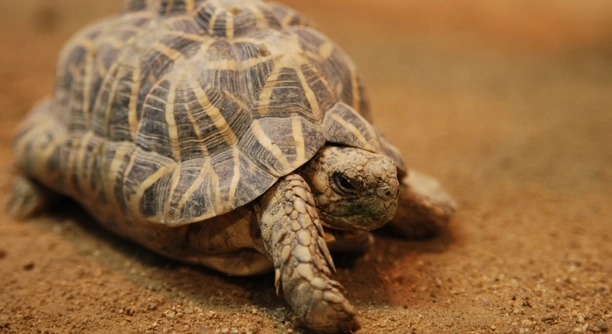
Turtles often exhibit behaviors that may seem unusual to their owners. One such behavior is frequent digging. Understanding why your turtle digs can help address any concerns you may have about its health or environment.
Turtles dig for various reasons, such as instinctual behavior, nesting, or to create a comfortable hiding spot. This digging can also be related to stress, a lack of stimulation, or an attempt to escape. Proper care can minimize this behavior.
Understanding the root causes of your turtle’s digging will help improve its living conditions and well-being. Keep reading to learn how to address this behavior and ensure a healthy environment for your pet.
Natural Instincts and Nesting Behaviors
Turtles, especially females, may dig as part of their natural instincts, especially if they are preparing to lay eggs. Even if your turtle is not in a reproductive state, it can still exhibit this digging behavior. In the wild, digging is essential for making nests or hiding. These instincts are deeply embedded, and even a pet turtle will engage in such behaviors to feel safe and secure in its environment.
The behavior may seem odd, but it’s a natural part of their behavior. Turtles will dig if they feel the need to burrow or seek out shelter. Sometimes, the act of digging is more about comfort than a direct need for nesting.
Understanding this behavior is important to ensuring that your turtle’s environment is well-suited for their natural tendencies. Providing a substrate that allows them to dig, like soil or sand, will help reduce the stress that might lead to constant digging.
Stress and Environmental Factors
Sometimes, digging is a sign of stress.
If your turtle’s environment is not properly set up, it can lead to anxious behaviors like constant digging. Stressful situations, such as improper tank size, high noise levels, or the presence of other aggressive pets, can cause this. If they feel unsafe, turtles might dig to create a protective space. Providing a more secure environment can often help reduce such behavior.
Turtles are sensitive creatures, and their stress is often a result of the conditions they are kept in. The temperature, humidity, and even the lighting in the tank can all contribute to their anxiety. A consistent, controlled environment that mimics their natural habitat is vital. If they feel secure, they are less likely to engage in excessive digging, ensuring they remain calm and healthy.
Lack of Stimulation and Boredom
Turtles can become bored in environments that don’t offer enough mental or physical stimulation. This leads them to dig, as they are seeking out something to occupy their time.
Providing varied activities and toys can prevent this behavior. Things like rocks to climb, plants to hide in, and water features to explore will keep your turtle entertained. When they don’t feel challenged or intrigued, they may turn to digging as a way to alleviate boredom. This is a sign that your turtle needs more interaction with its environment.
A more engaging habitat with multiple elements will help satisfy your turtle’s natural curiosity. Adding hiding places, obstacles, or even changing their environment occasionally can make a difference. When turtles feel that they can engage with their space, digging behavior typically decreases.
Health Concerns
Sometimes, persistent digging is a sign of health issues. If your turtle is constantly digging and seems to be in discomfort, it may have a health problem that needs attention.
Check for signs of illness, such as unusual lethargy, lack of appetite, or visible physical issues. If you suspect a health problem, it’s important to take your turtle to a veterinarian who specializes in reptiles. Poor health can cause stress, leading to digging as a form of distress. A proper diagnosis and treatment will help address any underlying issues that could be influencing this behavior.
Being proactive with regular vet checkups ensures your turtle’s health remains in good standing. Early detection and treatment will not only stop excessive digging but also improve their overall well-being.
Environmental Enrichment
Without enough stimulation, your turtle may dig as a way to deal with a lack of variety. Adding enrichment to their space is essential to keep them engaged.
Consider adding plants, hiding spots, and rocks for climbing. These additions can help mimic the turtle’s natural habitat. When they have more to explore, they may feel less compelled to dig.
By enriching your turtle’s environment, they can explore and interact with their surroundings, making it less likely they will dig out of boredom. A balanced habitat prevents unnecessary stress and allows your turtle to thrive.
Temperature and Humidity
The right temperature and humidity levels are essential for your turtle’s health and comfort.
If the temperature or humidity in the enclosure is off, it can cause your turtle to act out, including digging. Ensure the tank is properly heated and humidified, reflecting their natural environment. Proper heat gradients allow your turtle to regulate its body temperature, and proper humidity helps maintain hydration levels.
Turtles need both warmth and humidity to feel comfortable. Providing the right conditions is crucial for reducing stress, improving behavior, and promoting overall health.
FAQ
Why does my turtle dig all the time?
Turtles dig for various reasons. It could be due to natural instincts, such as nesting or burrowing to feel secure. Digging can also be a result of stress, boredom, or discomfort. Ensuring your turtle has an enriched environment with proper temperature and humidity can help reduce unnecessary digging.
Is my turtle digging because it’s stressed?
Yes, stress is a common cause of excessive digging. Stress can be triggered by environmental factors like temperature changes, inadequate space, or an overcrowded tank. Ensure your turtle’s habitat is calm, spacious, and set up with the right conditions to help reduce stress-related behaviors like digging.
Can I stop my turtle from digging?
You can reduce your turtle’s digging by making its environment more engaging and comfortable. Provide a variety of hiding spots, rocks to climb, and plants to explore. Also, ensure that the temperature and humidity are at the appropriate levels. If your turtle’s digging is due to health issues, a vet visit may be necessary.
Does digging mean my turtle is sick?
Not always, but digging can be a sign of health problems if it’s paired with other symptoms such as lethargy, loss of appetite, or abnormal behavior. It’s important to monitor your turtle for other signs of illness and consult a vet if you’re concerned. Regular checkups can prevent health-related issues from affecting behavior.
Should I be worried if my turtle is constantly digging?
It depends on the context. If your turtle’s digging is linked to stress, boredom, or a natural behavior like nesting, it’s usually not a major concern. However, if the digging is extreme and accompanied by signs of illness or distress, it’s best to seek veterinary advice to rule out health issues.
Can temperature affect my turtle’s digging?
Yes, incorrect temperature levels can cause your turtle to dig more frequently. Turtles need a heat gradient in their tank to regulate their body temperature properly. If the tank is too cold or too hot, it can cause stress, leading to excessive digging. Ensure your turtle’s environment stays within the appropriate temperature range.
How can I make my turtle’s tank more comfortable?
To make your turtle’s tank more comfortable, provide it with the right heating, lighting, and humidity. Add hiding spots, climbing structures, and plants to create an engaging environment. A clean tank with a proper filtration system also helps in maintaining your turtle’s health and happiness. Consistent environmental conditions are key.
Can I use sand or soil for my turtle’s habitat?
Yes, sand or soil is a good substrate for turtles that enjoy digging. It provides a natural environment for them to burrow. Be sure to choose sand that is safe for reptiles and avoid types that could cause harm, like sharp-edged sand. Soil can also be used to simulate a more natural digging environment.
Why does my turtle dig even when there are no eggs?
Even if your turtle is not laying eggs, it may still dig out of instinct. Digging is a natural behavior for turtles, used for hiding, cooling off, or feeling secure. They may also dig when they’re trying to create a comfortable spot to sleep or relax. As long as your turtle is healthy, this behavior is typically normal.
How do I know if my turtle is digging because it’s uncomfortable?
If your turtle is digging due to discomfort, it may be trying to escape from a stressful environment. Signs like lethargy, refusal to eat, or excessive digging in one spot can indicate discomfort. Check the temperature, humidity, and space in the tank. A stressed turtle may also exhibit other abnormal behaviors like pacing or hiding.
How often should I change my turtle’s substrate?
Substrate should be changed regularly to maintain a clean and healthy environment for your turtle. Depending on the type of substrate, it’s typically recommended to change it every 2-4 weeks. Dirty or contaminated substrate can lead to bacteria buildup, which may cause health issues. Always ensure the tank is cleaned thoroughly when changing the substrate.
Can adding more turtles to the tank stop digging?
Adding more turtles may not necessarily stop digging, and could even increase it if the turtles are not getting along. Turtles can be territorial, and overcrowding can lead to stress. It’s important to monitor the space, food, and water supply. If you’re introducing another turtle, make sure their space needs and behavioral compatibility are considered first.
Should I take my turtle to the vet if it’s digging excessively?
If the digging is persistent and you notice other symptoms like changes in appetite, behavior, or physical appearance, it’s a good idea to consult a vet. A vet can help determine if there are any underlying health issues causing the digging behavior. Regular vet visits are important for overall health management.
Final Thoughts
Turtles are fascinating creatures, and their behavior can be quite interesting to observe. Digging is a natural instinct for many turtles, and it’s not always a cause for concern. In the wild, turtles dig to create a safe space, find food, or escape predators. In captivity, they may dig for similar reasons, such as nesting, finding a comfortable spot, or simply exploring their environment. However, understanding why your turtle digs is important for maintaining its health and well-being.
If your turtle’s digging becomes excessive or seems to be linked to stress, it’s crucial to assess its environment. Make sure the tank is large enough and that there is a proper heat gradient. Temperature and humidity are important factors to consider, as they help your turtle regulate its body temperature and maintain its overall health. Adding enrichment, such as rocks, plants, and hiding spots, can help keep your turtle engaged and reduce boredom. A well-maintained habitat with these elements can make a significant difference in your turtle’s behavior.
In some cases, digging could be a sign of discomfort or a health issue. If the behavior is accompanied by other symptoms like lethargy, loss of appetite, or abnormal activity, it’s worth consulting a vet. Regular checkups are essential to ensure that your turtle remains healthy and that any potential problems are addressed early. By paying attention to your turtle’s needs and providing a suitable environment, you can help it live a happy and comfortable life.

Hello,
If you enjoy the content that we create, please consider saying a "Thank You!" by leaving a tip.
Every little bit helps us continue crafting quality advice that supports the health, happiness, and well-being of pets around the world, for pets of all shapes, sizes, and species.
We really appreciate the kindness and support that you show us!