
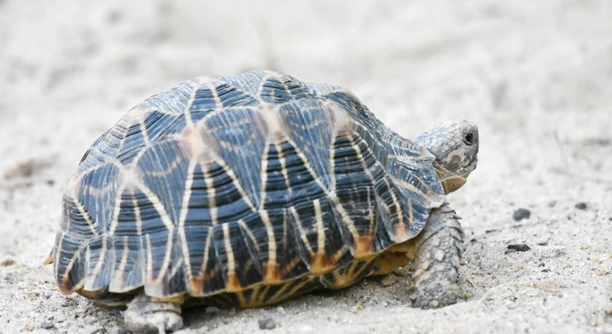
If your turtle is injured, it’s important to act quickly and carefully. Turtles can be fragile, and timely intervention can make a big difference in their recovery. Here are the steps you need to take.
When your turtle is injured, the first thing to do is assess the situation. If the injury is severe, contact a vet immediately. Keep your turtle warm, calm, and comfortable. Cleaning the wound gently may help prevent infection.
Following these steps can greatly improve your turtle’s chances of recovery. Keep reading to ensure you’re prepared for any emergency situation.
Assessing the Injury
When you find that your turtle is injured, the first thing to do is stay calm. A quick assessment is essential to understanding the severity of the situation. Examine the injury carefully, checking for bleeding, swelling, or any broken bones. If the injury involves the shell, it’s important to note whether there are any cracks or missing pieces. Depending on the damage, you may need to take different steps. In some cases, the injury may be minor, but for more serious wounds, such as fractures or deep cuts, immediate veterinary care is required. It’s always better to err on the side of caution, especially with reptiles like turtles that may hide pain for longer periods. Keeping your turtle still is important to prevent further injury or stress.
If you’re unsure about how serious the injury is, contact a vet right away. They can provide advice over the phone, and some clinics may even guide you through emergency steps.
Turtles are resilient animals, but even small injuries can lead to complications if not treated properly. Addressing the injury quickly can reduce the risk of infection and promote healing.
Cleaning the Injury
Once you’ve assessed the injury and decided it’s safe to treat at home, cleaning the wound properly is crucial. Use a clean cloth or gauze to gently clean the area with warm water. Avoid using soap or harsh chemicals, as they can irritate the turtle’s skin and make the injury worse. If there is visible dirt or debris, carefully remove it. This will help prevent infections and reduce inflammation.
Once the area is clean, it’s time to apply an antiseptic. A gentle, non-toxic antiseptic specifically designed for animals is best. Apply a small amount to the wound and avoid using anything too strong, as this can irritate the delicate skin.
A clean and sterile environment will help reduce the risk of infection. Always check for any signs of swelling, redness, or discharge in the days following treatment. If any of these signs appear, it’s time to consult with a vet.
Keeping Your Turtle Comfortable
After addressing the injury, creating a comfortable and safe space for your turtle is essential. A quiet, warm environment will help reduce stress and aid in recovery. Place your turtle in a clean, dry area with soft bedding, ensuring that the temperature is appropriate for its species. Make sure the area is free from any hazards or sharp objects that could cause further harm.
Turtles tend to be sensitive to their surroundings, so it’s important to limit their exposure to loud noises or other stress-inducing factors. Keeping them in a peaceful space will prevent unnecessary distress. A stable, warm environment encourages rest, which is crucial for healing.
Be mindful of any signs of discomfort or restlessness, which could indicate that your turtle is not feeling at ease. If this happens, it may be necessary to adjust the space or change the bedding for better comfort.
Monitoring for Infection
It’s essential to regularly check your turtle’s injury for signs of infection. Swelling, redness, or discharge from the wound are common indicators that something may be wrong. If any of these signs appear, it’s important to take action immediately. An infection can spread quickly and may worsen the condition of the injury, so you should never ignore these warning signs.
Keep an eye on the area at least once or twice a day. If the injury is not improving or getting worse, take your turtle to the vet for further examination. Infections left untreated can lead to serious health issues, so it’s better to be safe than sorry.
Your turtle’s overall behavior should also be monitored. A turtle with an infection might become lethargic or stop eating. If this occurs, it’s important to seek veterinary care as soon as possible.
Providing Proper Nutrition
A turtle recovering from an injury needs extra care when it comes to nutrition. Make sure to provide fresh food, focusing on items that are rich in nutrients to aid in healing. This includes dark leafy greens, vegetables, and other species-appropriate foods. Avoid overfeeding or offering unhealthy treats during recovery.
Proper hydration is just as important. Keep a shallow water dish available so your turtle can drink freely. If the injury affects mobility, placing food close to your turtle can make it easier for them to eat.
A balanced diet speeds up the healing process and supports their immune system, making recovery smoother and quicker.
Keeping the Environment Clean
A clean living environment is crucial during recovery. It helps prevent infections and reduces the risk of further injuries. Regularly clean your turtle’s enclosure, removing any waste or soiled bedding. Use safe, non-toxic cleaning solutions to avoid irritating the injury or making your turtle feel uncomfortable.
Pay attention to water cleanliness as well, especially if your turtle is aquatic. Dirty water can introduce bacteria, which can complicate healing. Changing the water regularly and making sure it is at the right temperature can help ensure a clean and healthy environment for your turtle.
Seeking Veterinary Care
Even if you’re treating the injury at home, it’s always wise to seek professional care. A vet can provide valuable guidance on how to care for your turtle and can spot any potential issues that you might have missed. They may suggest specific treatments or medications to aid recovery.
Turtles can suffer from hidden injuries or infections that are not always immediately obvious. Veterinary care ensures that your turtle receives the best possible chance for a full recovery. In some cases, a vet may need to conduct X-rays or blood tests to properly assess the situation.
FAQ
What should I do if my turtle has a broken shell?
If your turtle’s shell is broken, it is important to take immediate action. First, keep your turtle in a warm and quiet place to reduce stress. If possible, keep the shell clean and avoid handling it too much. For a minor crack, you can clean the wound and apply an antiseptic. However, for more serious fractures, it is vital to take your turtle to the vet. They may need to use special adhesives or surgery to help heal the shell. A broken shell can lead to infection if not treated promptly, so professional help is recommended.
Can I treat my turtle’s injury at home?
You can treat minor injuries at home, but anything serious should be evaluated by a vet. For smaller cuts, scrapes, or superficial injuries, cleaning the wound gently with warm water and applying a safe antiseptic can help prevent infection. Make sure to monitor the injury daily for signs of infection, such as swelling, redness, or discharge. For more severe injuries, such as fractures or deep wounds, professional care is necessary. Do not attempt complex treatments without proper training or guidance.
How long does it take for a turtle to heal from an injury?
The healing time for a turtle can vary depending on the severity of the injury and the species. For minor injuries, it could take a few days to a couple of weeks to heal. More serious injuries, like shell fractures or internal damage, may take months. Providing a clean, warm environment and proper nutrition will speed up recovery. It is important to remain patient and monitor your turtle’s condition during this time. In some cases, a vet may give you a better idea of the expected healing period.
Is my turtle in pain after an injury?
Turtles, like many animals, may not show pain in obvious ways. They tend to hide discomfort, as it is a survival instinct. However, changes in behavior such as reduced movement, decreased appetite, or lethargy can be signs that your turtle is in pain. If you suspect pain, providing a warm and calm environment can help ease discomfort. If symptoms worsen or do not improve, a vet can evaluate the situation and recommend pain relief measures or additional treatments.
How can I tell if my turtle’s injury is infected?
Infections in turtles can often be identified by swelling, redness, or pus coming from the wound. If the injury site becomes warm to the touch or if the turtle appears more lethargic than usual, these may also be signs of infection. A decrease in appetite or difficulty moving can also indicate health issues. If you notice any of these symptoms, it’s important to seek veterinary care immediately. Infections can spread quickly and may become serious if not addressed promptly.
Can I use over-the-counter medicine to treat my turtle’s injury?
It is best to avoid using over-the-counter medicines without consulting a vet first. Many human medications are not safe for turtles and can cause further harm. A vet can recommend the right type of treatment, including topical creams or antibiotics specifically designed for reptiles. Never use products that are not made for reptiles, as they may be toxic. When in doubt, always ask a vet before applying any medicine to your turtle’s injury.
How should I handle my turtle after an injury?
After an injury, it’s important to handle your turtle as little as possible. Too much handling can cause stress, which can slow down recovery. Keep your turtle in a safe, clean environment where it can rest. Only move your turtle if absolutely necessary, such as to clean the injury or administer medication. If you need to handle it, be gentle and supportive, especially if there’s a risk of aggravating the injury. Always prioritize your turtle’s comfort and healing process.
What should I do if my turtle stops eating after an injury?
If your turtle stops eating, it could be a sign of stress, pain, or a more serious underlying issue. Stress from the injury or the environment can cause a lack of appetite. Make sure your turtle’s environment is calm, quiet, and at the correct temperature. If your turtle continues to refuse food, it may be time to contact a vet. A vet can check for infections, internal injuries, or other problems that may be affecting your turtle’s appetite.
Can I put my turtle back in the water after an injury?
Whether or not to place your turtle back in the water depends on the type and severity of the injury. If the injury is a minor cut or scrape, your turtle may be okay in the water after a short period of rest. However, if the injury is on the shell or a serious wound, it’s best to keep the turtle out of the water to avoid infection. Freshwater or saltwater can introduce bacteria, which could complicate the healing process. Always consult a vet for specific advice about your turtle’s condition.
Should I use a heating pad for my injured turtle?
A heating pad can be helpful if your turtle’s environment is too cool. Turtles need a warm environment to aid in their recovery. However, make sure the heating pad is not directly applied to the injured area. Place the heating pad under the enclosure so that the overall temperature increases. Make sure your turtle has a warm, dry area to rest, but also provide cooler areas so your turtle can regulate its temperature. If you are unsure, consult a vet to ensure proper temperature management for healing.
Final Thoughts
Caring for an injured turtle requires patience, attention, and a proactive approach to its well-being. While many minor injuries can be managed at home, it’s important to know when professional care is needed. If the injury is serious or doesn’t show signs of improvement, taking your turtle to the vet is always the best choice. This ensures that the injury is treated properly and that no complications, such as infections, develop. A vet can offer helpful advice and treatment options that you may not have considered.
Providing the right environment is crucial to the recovery process. A clean, stress-free space with the proper temperature and humidity can aid in healing and help prevent additional stress or injury. A quiet, comfortable area for your turtle to rest will promote healing and allow it to recover more effectively. Fresh food, clean water, and monitoring its condition daily are all essential in supporting its recovery. Consistency and care are key to helping your turtle get back to full health.
Taking care of an injured turtle also means staying informed and being prepared to handle various situations. Understanding the basics of turtle health and injury prevention can help you avoid problems in the future. However, even with the best care, injuries can sometimes lead to long-term challenges. It’s important to remain patient and continue providing support through the recovery process. With the right care and medical attention, most turtles can heal and return to their normal activities.

Hello,
If you enjoy the content that we create, please consider saying a "Thank You!" by leaving a tip.
Every little bit helps us continue crafting quality advice that supports the health, happiness, and well-being of pets around the world, for pets of all shapes, sizes, and species.
We really appreciate the kindness and support that you show us!