
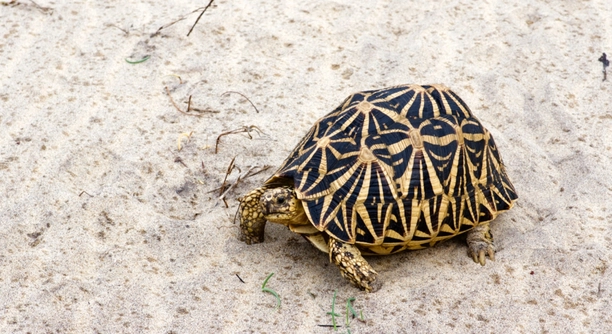
Turtles are fascinating creatures, but it can be concerning when you notice their skin peeling. Understanding the reasons behind this behavior can help ensure your turtle stays healthy and comfortable in its environment.
Peeling skin in turtles is often a normal part of the shedding process, especially during growth. However, excessive peeling can be a sign of dehydration, poor diet, or an underlying health issue. Regular care and monitoring are essential.
Knowing the causes behind skin shedding is crucial for maintaining your turtle’s well-being. By addressing these factors, you can help prevent further skin issues and keep your turtle happy and healthy for years to come.
Reasons Your Turtle’s Skin is Peeling
Peeling skin in turtles often occurs naturally as they grow. However, there are a few common reasons why it might happen more frequently or noticeably. One common cause is the shedding process, which allows turtles to rid themselves of old, damaged skin. This is a completely normal occurrence and should not cause concern if it happens occasionally. But if the peeling is persistent or seems excessive, it may be linked to other factors.
The environment your turtle lives in plays a significant role. Improper humidity levels or water conditions can trigger skin shedding. Dry, poorly maintained environments can cause the skin to peel prematurely. Additionally, the lack of UVB light can contribute to skin health problems. If your turtle’s habitat isn’t up to par, consider making adjustments.
In some cases, poor diet may also be a factor. Turtles require a balanced diet rich in vitamins and minerals to maintain healthy skin. Lack of essential nutrients, particularly Vitamin A, can lead to shedding issues. A proper diet supports skin health, helping to prevent unnecessary peeling.
Dehydration and Skin Health
Dehydration is a common issue that may contribute to peeling skin. Turtles rely on a balanced hydration level to maintain healthy skin and shed properly. If your turtle is not drinking enough water, the skin may become dry and flaky, leading to peeling.
Make sure your turtle’s water is clean and fresh, offering easy access to drinking water at all times. Proper hydration is essential for overall health, and addressing dehydration can prevent skin shedding problems. If you notice a lack of water intake, consider using a shallow dish or adjusting water levels in the tank.
Turtles are sensitive to changes in their environment, so any sudden shifts in temperature or humidity can cause skin problems. Dehydration worsens when these environmental factors are not stable. To maintain optimal skin health, monitor the temperature and humidity levels in your turtle’s enclosure regularly. By creating a stable and healthy environment, you can prevent further skin issues and ensure your turtle remains comfortable.
How Diet Affects Peeling Skin
A balanced diet is vital to keeping your turtle’s skin healthy and avoiding peeling. Turtles need a mix of protein, vegetables, and fruits for proper nutrition. Without the right nutrients, skin issues can arise, including excessive peeling. Vitamins, especially Vitamin A, play a key role in maintaining skin health. A lack of this essential nutrient can lead to dryness, shedding, and even infections.
Feed your turtle a variety of foods, including leafy greens, fish, and turtle pellets, ensuring that their diet is well-rounded. Additionally, avoid feeding too much high-fat food or foods that are low in essential nutrients. A proper balance will support the skin’s natural shedding process, promoting healthy growth and reducing the chance of peeling.
Poor Tank Conditions
Turtles need a clean, stable environment to stay healthy. Poor tank conditions, such as dirty water or incorrect lighting, can lead to skin problems. Without proper care, your turtle’s skin may become irritated and start peeling.
Dirty water can harbor bacteria that affect the skin, causing peeling or infections. Regular water changes and cleaning the tank are essential for your turtle’s well-being. Ensure the water temperature is stable and filtered to keep bacteria growth at bay. The lighting, particularly UVB light, also plays a significant role in skin health. Without it, your turtle might face skin issues.
A tank that lacks proper care can stress out your turtle. When this happens, their skin may react by peeling or flaking. Stress affects the immune system, making your turtle more vulnerable to skin problems. Ensuring proper filtration, stable temperatures, and UVB lighting helps create a stress-free environment, reducing the risk of skin shedding.
Vitamin Deficiency
A lack of the right vitamins can negatively affect your turtle’s skin. Vitamin A, in particular, is crucial for skin health. Without enough of this vitamin, your turtle’s skin may peel excessively or even become infected.
You can prevent a deficiency by feeding your turtle a varied diet that includes foods rich in Vitamin A. Leafy greens like kale and collard greens, as well as orange vegetables like carrots, are good sources. Additionally, consider using turtle supplements that contain the necessary vitamins if you’re concerned about the diet’s balance.
A Vitamin A deficiency can also impact your turtle’s overall health. Weakness, poor shell growth, and a lack of appetite are signs of vitamin insufficiency. Keeping a watchful eye on your turtle’s diet and ensuring they receive the right nutrients can prevent more serious health issues. This way, skin health and general well-being are protected.
Stress
Stress is a significant factor that can affect a turtle’s skin. It can cause their body to react by shedding skin more frequently. Stress may stem from environmental changes, improper tank setup, or even handling.
If your turtle is exposed to too many disturbances or uncomfortable living conditions, the peeling may become more noticeable. A stressful environment can weaken your turtle’s immune system, making it more susceptible to skin issues. To reduce stress, provide a calm and stable habitat with consistent temperatures, proper lighting, and minimal handling.
Fungal or Bacterial Infections
Infections can also cause your turtle’s skin to peel. Bacteria or fungi might infect the skin, leading to discomfort and excessive shedding. These infections often occur in unsanitary conditions or when the turtle’s immune system is weakened.
Signs of an infection include discolored skin, swelling, or open sores. If you suspect an infection, it’s essential to act quickly. Visit a veterinarian who specializes in reptiles to properly diagnose and treat the issue. Infections can worsen without treatment and lead to more severe health problems.
FAQ
Why is my turtle’s skin peeling?
Skin peeling in turtles is often part of their natural shedding process. Turtles shed old skin to make room for new growth, especially during periods of growth or changes in their environment. However, excessive peeling can indicate issues like dehydration, poor diet, or poor tank conditions. It’s important to monitor your turtle’s environment and diet to ensure it’s healthy. If the peeling is persistent or accompanied by other symptoms like redness or swelling, consider seeking advice from a vet.
How can I tell if my turtle is dehydrated?
Dehydration in turtles can cause their skin to become dry and flaky. If your turtle isn’t drinking enough water, you might notice the skin becoming tight and peeling. Additionally, dehydration can cause lethargy and a decrease in appetite. To avoid dehydration, ensure your turtle always has access to clean water, and maintain proper humidity levels in its tank. If dehydration persists, consult a veterinarian.
Can I stop my turtle’s skin from peeling?
In most cases, you cannot completely stop the natural peeling process, as it’s a part of their growth. However, you can ensure it happens in a healthy way by maintaining proper tank conditions, hydration, and diet. Make sure your turtle is getting enough UVB light, has access to clean water, and eats a balanced diet. If excessive peeling occurs or you suspect an underlying issue, it’s best to consult a vet.
Should I be concerned if my turtle’s skin is peeling excessively?
Excessive skin peeling can be a sign of a health issue, such as dehydration, malnutrition, or infections. If the peeling is accompanied by symptoms like lethargy, loss of appetite, redness, or sores, it’s best to consult a veterinarian. Skin issues can be a sign that your turtle’s habitat or diet needs to be adjusted for better health.
What kind of diet should I feed my turtle to prevent skin peeling?
A balanced diet is crucial for your turtle’s health. Feed them a variety of foods that include leafy greens, such as kale and collard greens, along with high-quality turtle pellets. Adding orange vegetables, like carrots, can help with Vitamin A intake, which is important for skin health. Avoid overfeeding with high-fat foods, and ensure your turtle is receiving the necessary vitamins and minerals to prevent deficiencies that can lead to peeling skin.
How often should I change the water in my turtle’s tank?
Changing the water regularly is important to maintain a healthy environment for your turtle. For most tanks, you should change 25-50% of the water once a week. If you notice the water becoming murky or dirty before the week is up, consider changing it more frequently. Make sure to clean the tank and filter regularly to avoid bacteria build-up, which can affect your turtle’s skin.
Can poor lighting cause skin peeling in turtles?
Yes, inadequate lighting can contribute to skin problems. Turtles require UVB light to properly metabolize calcium and maintain healthy skin. Without proper UVB exposure, your turtle may develop skin issues, including excessive peeling. Ensure your turtle’s tank has the correct type of lighting and that it’s positioned at the right distance to provide sufficient UVB rays.
How can I tell if my turtle has an infection?
Infections can cause changes in your turtle’s skin, such as redness, swelling, or open sores. If your turtle has a fungal or bacterial infection, you might also notice that the skin appears abnormal, with patches of discolored or flaking skin. Infected turtles may act lethargic or show a loss of appetite. If you suspect an infection, it’s important to take your turtle to a veterinarian to receive proper diagnosis and treatment.
Can stress affect my turtle’s skin?
Yes, stress can lead to skin problems in turtles, including peeling. Turtles may become stressed from environmental changes, improper tank conditions, or too much handling. When stressed, turtles may experience skin irritation or more frequent shedding. To reduce stress, create a stable and comfortable habitat with consistent temperatures, humidity, and minimal disturbances. Handling your turtle sparingly will also help reduce stress.
Is it normal for my turtle to shed skin in pieces?
Yes, it’s normal for turtles to shed skin in pieces, much like reptiles do. This is especially common during their growth stages when their skin becomes tight and needs to be replaced. However, if the shedding is excessive or accompanied by other symptoms like skin infections or sores, it may be a sign of an underlying health issue. In that case, it’s important to address the cause and possibly consult a veterinarian.
Final Thoughts
Turtle skin peeling is a natural process that happens as they grow. Just like other reptiles, turtles shed their old skin to make room for new, healthy skin. In many cases, this is completely normal and doesn’t require concern. It’s important to monitor your turtle’s environment and habits to ensure everything is in balance. If your turtle’s skin peeling seems excessive or is accompanied by other symptoms, such as lethargy or loss of appetite, it could be a sign that something is wrong. In such cases, it is advisable to seek professional advice from a veterinarian.
Proper tank maintenance plays a significant role in keeping your turtle healthy. Maintaining clean water, correct humidity levels, and providing adequate lighting are key factors in supporting your turtle’s overall well-being. A balanced diet with the right vitamins and minerals also contributes to skin health. Making sure your turtle gets the right nutrients can help reduce the chances of skin issues. Overfeeding or providing the wrong types of food can lead to poor health, including skin problems. A well-maintained habitat, along with the proper diet, can prevent many common health problems that turtles face.
If your turtle’s skin peeling doesn’t seem to fit the natural shedding pattern or it’s happening in combination with other signs of illness, it’s best to consult a veterinarian. They can help determine if the cause is something more serious, such as an infection, stress, or a health deficiency. Early intervention can prevent the problem from worsening. A vet can also provide treatment options that can help your turtle heal properly and stay healthy in the long run. Regular check-ups can ensure that your turtle remains in good health and that any potential issues are caught early.

Hello,
If you enjoy the content that we create, please consider saying a "Thank You!" by leaving a tip.
Every little bit helps us continue crafting quality advice that supports the health, happiness, and well-being of pets around the world, for pets of all shapes, sizes, and species.
We really appreciate the kindness and support that you show us!