
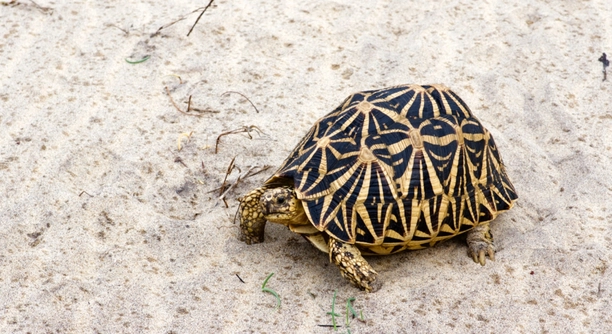
Turtles thrive best in an environment that reflects their natural habitat. Creating a more enriching tank experience can lead to healthier, happier pets. With a few thoughtful changes, you can create a space they will love.
Enriching a turtle’s tank involves providing stimulating elements that mimic the natural world. Offering various hiding spots, aquatic plants, and a basking area allows your turtle to exhibit more natural behaviors, contributing to both physical and mental health.
These simple steps can help ensure your turtle has an engaging and comfortable space. By making a few adjustments, you’ll create a tank that encourages active behavior and supports overall well-being.
Create a Natural Habitat with Aquatic Plants
Adding aquatic plants to your turtle’s tank can make a big difference. Plants not only enhance the tank’s appearance but also provide hiding places and areas for foraging. Freshwater plants, like anacharis or java moss, mimic natural habitats, giving your turtle a more enriching environment. They can also help with water quality by absorbing excess nutrients, reducing algae growth, and providing oxygen. Be sure to choose plants that are safe for your turtle species.
It’s important to maintain the plants and monitor their health. Remove dead leaves or decaying plants regularly to prevent water contamination.
Along with improving water quality, plants give turtles a place to hide, which helps reduce stress. Some turtles enjoy climbing or resting on plants, while others might use them as an area to search for food. This added interaction with their environment helps encourage natural behaviors, keeping your turtle active and engaged. Plus, aquatic plants offer shade, which is essential to create a more comfortable and balanced environment for your turtle.
Provide Different Types of Substrate
Choosing the right substrate is key for your turtle’s well-being. You can use sand, river rocks, or reptile-specific bedding that suits the species of your turtle.
Different substrates offer various textures and digging opportunities that engage your turtle’s natural instincts. Some turtles enjoy burrowing, which mimics behaviors they would perform in the wild. Be sure the substrate is safe and easy to clean to maintain proper hygiene in the tank.
Add a Basking Spot
A basking spot is essential for your turtle’s overall health. This area should be dry and accessible, allowing your turtle to warm up and dry off after swimming.
The basking area should be positioned close to the heat source to maintain an ideal temperature range. Turtles need UVB light exposure to help with calcium absorption and shell growth. Make sure the basking platform is secure and offers easy access. If it’s too steep, your turtle may struggle to get up and may avoid using it altogether.
For maximum benefit, place the basking spot under a UVB light to simulate natural sunlight. This will help your turtle produce vitamin D3 and keep their shell healthy. Ensure the area remains clean and free of excess water, as damp basking spots can lead to fungal infections.
Create a Safe and Secure Tank
Your turtle’s tank should be both secure and escape-proof. Ensure the tank is properly sealed and free of gaps that might allow your turtle to climb or squeeze through.
A secure tank helps prevent accidents and keeps your turtle from wandering off. The tank should be large enough to accommodate your turtle’s growth, allowing it to roam freely. A lid or cover can be helpful for preventing escape, especially if your turtle is an active climber. Make sure the cover is secure but also provides enough ventilation for proper air circulation.
Turtles are curious creatures, so creating a tank that they can explore safely will keep them engaged and healthy. Choose a tank that is tall enough to allow for both swimming and basking areas. Keeping the tank secure also ensures a stable environment where your turtle can thrive.
Add Hiding Spaces
Turtles need places to hide and feel secure. This helps reduce stress and gives them a sense of privacy. Use caves, plants, or decorative items that can provide shelter in the tank.
Hiding spots can be placed in various areas to offer different options for your turtle. This gives them the ability to retreat if they feel threatened or want to rest. Ensure the hiding spaces are large enough for the turtle to fit comfortably and can be cleaned easily. Clean these spots regularly to avoid mold or bacteria growth.
Provide a Healthy Diet
A proper diet is essential for your turtle’s health. Include a mix of commercial turtle food, leafy greens, and protein sources such as crickets or shrimp.
Variety is key to keeping your turtle active and healthy. Different types of food help provide the necessary nutrients for strong bones and a well-maintained shell. You can also supplement with vitamin and mineral additives if needed. Make sure to remove any uneaten food promptly to maintain a clean tank.
Use UVB Lighting
UVB lighting is essential for your turtle’s health and well-being. It helps them metabolize calcium and prevents shell deformities.
Ensure your UVB light is placed over the basking area to provide the proper exposure. Turtles need about 10–12 hours of UVB exposure each day, so use a timer for consistency. Make sure the light is replaced every six months, as its effectiveness diminishes over time.
FAQ
What type of tank is best for my turtle?
A large aquarium with both aquatic and dry areas is ideal. A 40-gallon tank is a good starting point for a small turtle, and you’ll need to upgrade as it grows. Make sure the tank is deep enough for swimming and includes a dry basking spot. The material should be durable and easy to clean, such as glass or acrylic. Also, make sure the tank has a secure lid to prevent your turtle from escaping.
How often should I clean my turtle’s tank?
Cleaning your turtle’s tank regularly is crucial for their health. You should change the water once a week and clean the entire tank every 2-3 weeks. Removing waste and uneaten food daily will help maintain water quality. A good filtration system is essential to keep the water clean in between water changes.
Can I put other animals in the tank with my turtle?
It’s generally not recommended to place other animals in the tank with your turtle, as they may become stressed or even be attacked. Some species of turtles are known to be aggressive toward smaller creatures. However, you can add non-aggressive tank mates like fish, but monitor their interactions closely. Be sure the fish species can tolerate the temperature and water conditions.
How much food should I feed my turtle?
Turtles need to be fed daily, but the amount depends on their size and species. A general guideline is to offer food they can eat in about 15 minutes. Young turtles typically need more protein, while adults should have more plant matter. It’s important not to overfeed, as this can lead to obesity and shell deformities.
What kind of water should I use in my turtle’s tank?
It’s best to use dechlorinated water in your turtle’s tank. Tap water often contains chlorine and other chemicals that are harmful to turtles. You can either use a water conditioner to remove chlorine or buy pre-treated water. The water should be at a suitable temperature, usually between 75–80°F (24–27°C), depending on the species.
How do I know if my turtle is sick?
Signs of illness in turtles can include loss of appetite, lethargy, abnormal shell growth, swelling, or respiratory issues. If you notice any of these symptoms, it’s important to consult a veterinarian specializing in reptiles. Regular check-ups can help catch health issues early and prevent serious problems.
What temperature should the water and basking area be?
The water temperature should be between 75–80°F (24–27°C) for most species. The basking area should be slightly warmer, between 85–90°F (29–32°C), to provide your turtle with the necessary heat to regulate its body temperature. Ensure that the temperature remains stable to avoid stressing your turtle.
Can I use a filter in my turtle’s tank?
Yes, a filter is highly recommended to keep the water clean and reduce the frequency of water changes. Turtles produce a lot of waste, and a good filtration system helps remove debris and waste from the water. Choose a filter that is appropriate for the size of the tank and the type of turtle.
How can I tell if my turtle is happy?
A happy turtle is usually active and shows normal behaviors such as swimming, basking, and eating. If your turtle is hiding constantly, not eating, or behaving lethargically, it may be stressed or unwell. Ensure the tank environment is suitable for your turtle’s needs to keep them healthy and content.
How long do turtles live?
Turtles can live for a long time, with some species reaching over 50 years of age in captivity. The lifespan depends on the species, care, and environment. By providing a proper tank setup, balanced diet, and regular health check-ups, you can help ensure that your turtle lives a long and healthy life.
Final Thoughts
Creating an enriching environment for your turtle is essential for its health and well-being. A proper tank setup that includes both aquatic and dry areas gives your turtle a comfortable space to live and thrive. It’s important to maintain clean water, a suitable basking spot, and provide a balanced diet to ensure your turtle remains active and healthy. Regular monitoring of the tank’s temperature, water quality, and lighting will help prevent many common issues that turtles face in captivity.
Incorporating hiding spaces, secure tank lids, and offering a variety of food will keep your turtle engaged and stress-free. It’s also important to choose the right type of tank, depending on the size and species of your turtle. The right habitat can make all the difference in their overall happiness and health. Regularly checking the condition of the tank and any equipment used, like the filtration system and UVB lights, will help you avoid any potential problems down the line. Proper care also means understanding your turtle’s needs as it grows and adapting the environment as necessary.
By following these tips, you can create a safe, comfortable, and enriching space for your turtle. While turtles are low-maintenance pets, they still require attention and care to ensure they live long, healthy lives. Whether you’re a first-time turtle owner or have had one for years, creating an ideal environment should always be a top priority. Proper care will ensure that your turtle stays healthy, happy, and active for many years to come.

Hello,
If you enjoy the content that we create, please consider saying a "Thank You!" by leaving a tip.
Every little bit helps us continue crafting quality advice that supports the health, happiness, and well-being of pets around the world, for pets of all shapes, sizes, and species.
We really appreciate the kindness and support that you show us!