
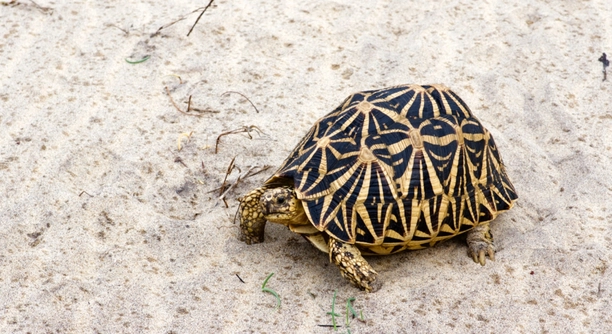
Turtles are fascinating creatures, and as a pet owner, you might find yourself noticing strange behaviors, like your turtle blowing bubbles in the water. It can be confusing, but understanding the reasons behind this action is important.
Blowing bubbles in the water can indicate that your turtle is either breathing, trying to communicate, or simply displaying normal behavior. However, it could also be a sign of stress, illness, or water quality issues that need attention.
By understanding the causes behind this behavior, you can ensure your turtle’s well-being. Proper care and attention will help keep your turtle happy and healthy, making your pet’s aquatic environment a better place.
Why Does My Turtle Blow Bubbles When Swimming?
Turtles have a unique way of breathing. While they swim, they might blow bubbles to expel excess air or to help them stay buoyant. This is especially true when they are moving to the surface for air. Turtles, like many reptiles, rely on their lungs to breathe and will surface every few minutes. The air they release often creates small bubbles in the water. Sometimes, if a turtle is stressed or in an unfamiliar environment, this behavior can become more noticeable.
While this action can simply be a natural part of their breathing process, it can also happen when they are uncomfortable or anxious. If a turtle is in a new tank, stressed by changes in the environment, or dealing with other factors, you might see more bubbles. In some cases, if there’s a change in water temperature or quality, a turtle’s behavior might shift, causing more bubbles to form as they react to the new conditions.
If you’re noticing your turtle blowing bubbles more than usual, take time to check their environment. This includes water temperature, cleanliness, and ensuring they have plenty of space to swim freely. Small changes in these factors could be affecting your turtle’s comfort. Addressing these issues could help your pet feel better and reduce bubble-blowing.
Is Bubble Blowing a Sign of Illness?
If your turtle is blowing bubbles excessively or showing other unusual behavior, it might indicate illness. Turtles can develop respiratory infections, often caused by poor water quality or sudden temperature changes.
A turtle that is sick might begin to breathe heavily, release more bubbles, or have difficulty swimming. You may also notice lethargy or a lack of appetite. If any of these signs appear alongside the bubbles, it’s essential to address the issue quickly. Consult with a veterinarian to determine if there’s an underlying health problem. Early diagnosis can help prevent more serious issues.
Water Quality and Its Impact on Bubbles
Turtles are highly sensitive to the quality of the water they live in. If the water is not clean or has high levels of ammonia or bacteria, it can lead to stress, which may cause them to blow bubbles. Poor water quality can also weaken their immune system, leading to potential respiratory infections. Regular water changes and proper filtration can reduce these risks and make your turtle’s environment more comfortable. Check the water’s pH level, temperature, and clarity often to keep it at optimal conditions for your pet.
Make sure to test the water regularly for ammonia, nitrites, and nitrates, as they can negatively affect your turtle’s health. If the levels are high, the turtle may try to expel air through bubbles. Over time, poor water quality may even cause your turtle to become ill. Ensuring the water is clean and balanced not only prevents the formation of bubbles but also promotes overall health. Clean your tank and change the water at least once a week, or more often if needed, to maintain a healthy environment for your turtle.
Some turtles also require specific water conditions to thrive, like slightly warmer temperatures. If the water is too cold, your turtle may show signs of stress, including excessive bubble-blowing. A heater can help maintain a stable and comfortable temperature for your turtle, especially if you live in a cooler climate. Just make sure the heater is appropriate for the size of your tank. Keeping the water temperature steady ensures your turtle’s comfort and helps reduce any abnormal behavior like constant bubble formation.
Is Your Turtle Stressed or Anxious?
Stress is another possible reason for your turtle blowing bubbles. Turtles are creatures of habit, and changes to their environment can trigger stress, leading to abnormal behaviors. Common stressors include new tank mates, a noisy environment, or a lack of hiding spots. When a turtle feels anxious, it may display signs like excessive bubble-blowing, swimming erratically, or even avoiding food.
To reduce stress, make sure your turtle has plenty of space to swim and hide if it feels threatened. If you’ve recently introduced new tank mates or made other changes, consider giving your turtle time to adjust. Stress can be a temporary phase, but it can also lead to health problems if not addressed. Observing your turtle’s behavior will help you identify the root cause and make the necessary adjustments to help your pet feel secure.
Creating a calm environment with minimal disturbance can go a long way in keeping your turtle comfortable. Make sure the tank is in a quiet area, away from direct sunlight or other distractions. Avoid tapping on the glass or handling your turtle too often, as this can add to the stress. If the bubbles continue, examine all possible factors that could be causing discomfort and work toward making the environment as peaceful as possible.
Respiratory Infections and Bubbles
Respiratory infections in turtles often cause them to blow bubbles. If your turtle has a cold or an infection, you might notice excessive bubbles, wheezing, or labored breathing. These symptoms indicate that your turtle is struggling to breathe properly. It’s important to act quickly.
If you suspect a respiratory infection, take your turtle to a vet as soon as possible. Infections can worsen without treatment, leading to serious health issues like pneumonia. Keeping the water clean, ensuring proper temperatures, and reducing stress will help prevent respiratory infections. Watch for other signs like lethargy or lack of appetite, which can indicate illness.
Tank Size and Bubble Formation
Turtles need adequate space to swim comfortably. A cramped tank can cause stress, leading to behaviors like excessive bubble-blowing. A larger tank gives your turtle room to move freely and maintain a natural rhythm in its breathing.
If your turtle’s tank is too small, it might feel trapped or stressed. As a result, you might see it blowing bubbles more often, especially if it cannot swim or breathe easily. Ensure your turtle has a tank that is large enough to accommodate its size, with enough space for swimming and basking.
Temperature Fluctuations and Stress
Temperature changes, especially if they are sudden, can stress your turtle. If the water is too hot or too cold, your turtle may exhibit abnormal behaviors, like blowing bubbles. Turtles are cold-blooded, and water temperature directly affects their health and comfort.
FAQ
Why is my turtle blowing bubbles at the surface of the water?
Turtles often blow bubbles when they surface for air, as they release excess air from their lungs. This is a completely normal behavior and part of how they regulate their buoyancy. However, if your turtle is blowing bubbles continuously or appears to be struggling for air, it may indicate stress or respiratory issues. In these cases, check the water conditions, temperature, and ensure the turtle has enough space to swim.
Could poor water quality cause my turtle to blow bubbles?
Yes, poor water quality is a common cause of stress in turtles. High ammonia levels, dirty water, or improper pH can make turtles uncomfortable, leading to abnormal behaviors like blowing bubbles. Clean water is essential for a turtle’s health, so perform regular water changes and test the water for ammonia, nitrites, and nitrates. Poor water quality may also lead to respiratory infections that worsen bubble-blowing behavior, so keeping the water clean will help prevent this.
Can stress cause my turtle to blow bubbles?
Stress can absolutely cause a turtle to blow bubbles. Stressors like overcrowding, a noisy environment, or changes to their habitat can make turtles anxious. When stressed, turtles may blow bubbles more frequently or display other signs of discomfort like erratic swimming, loss of appetite, or hiding. To reduce stress, create a calm, quiet environment for your turtle and make sure its tank is large enough for it to swim freely. Introducing new tank mates or other changes should be done gradually to avoid overwhelming your turtle.
How do I know if my turtle is sick and blowing bubbles because of an infection?
If your turtle is blowing bubbles more than usual, it could be a sign of a respiratory infection. Look for other symptoms, like lethargy, loss of appetite, labored breathing, or a runny nose. These are common signs that your turtle may be unwell. If you notice these symptoms along with excessive bubble-blowing, it’s crucial to take your turtle to a vet for an examination and appropriate treatment. Respiratory infections can worsen if left untreated, so quick action is essential.
What should I do if my turtle is blowing bubbles constantly?
If your turtle is blowing bubbles constantly, the first step is to check the water quality. Ensure the water is clean and properly filtered. Test for ammonia, nitrites, and nitrates, as high levels can cause stress and health problems. Next, check the temperature to make sure it’s suitable for your turtle’s species. If the environment seems fine and the behavior continues, consult a vet to rule out any health concerns, especially respiratory infections.
Can temperature fluctuations cause bubble-blowing in turtles?
Yes, temperature fluctuations can cause stress in turtles. If the water temperature is too hot or too cold, your turtle may blow bubbles more frequently. Turtles are cold-blooded, meaning their body temperature depends on the surrounding environment. Water that is too cold can slow their metabolism, while water that is too warm can cause them stress. Use a reliable aquarium heater to maintain a consistent water temperature for your turtle, and avoid sudden changes that could lead to stress or health issues.
How often should I clean my turtle’s tank to prevent bubble-blowing?
To maintain a healthy environment for your turtle, you should clean the tank regularly. It’s best to change the water at least once a week, but if you have a smaller tank or a higher number of turtles, you may need to clean it more frequently. Cleaning the tank will remove waste, excess food, and other debris that can affect water quality. Proper filtration is also important, as it helps keep the water clean between changes. A clean tank will reduce stress and improve your turtle’s health, which may help prevent bubble-blowing.
Does my turtle’s diet affect bubble-blowing behavior?
While diet may not directly cause bubble-blowing, poor nutrition can contribute to overall stress and health problems. Turtles need a balanced diet with the right mix of protein, vegetables, and vitamins to maintain their health. A poor diet can lead to weakened immune systems, making your turtle more prone to infections or other health issues that could cause excessive bubble-blowing. Feed your turtle a variety of appropriate foods to keep it healthy and reduce the likelihood of problems.
Is it possible for my turtle to blow bubbles just because it’s excited?
Yes, excitement can sometimes cause a turtle to blow bubbles, especially when they are hungry or anticipating feeding time. In these cases, the bubble-blowing is likely harmless and a natural behavior. Turtles can also show excitement when they’re interacting with you or exploring their environment. While this is not usually a cause for concern, it’s still important to monitor their behavior closely and make sure the tank conditions are optimal for their well-being.
Can multiple turtles in one tank cause more bubble-blowing?
Overcrowding can definitely lead to increased stress, which may result in more bubble-blowing. When multiple turtles share a small tank, they may feel cramped or threatened, which can lead to aggressive behavior, territorial disputes, and stress. This stress may manifest as excessive bubble-blowing or other signs of discomfort. If you have more than one turtle, ensure the tank is large enough to provide each turtle with enough space to swim and bask without feeling crowded. Consider upgrading the tank size if necessary to keep the turtles comfortable.
Final Thoughts
Turtles are unique creatures, and their behavior, including blowing bubbles, can be part of their natural routine. It’s important to understand that while occasional bubble-blowing is usually harmless, it can also indicate other issues like stress, illness, or poor water quality. Keeping an eye on their behavior and checking the water conditions regularly will help you identify any changes that may be affecting your turtle. Proper care, including water quality maintenance, a balanced diet, and a suitable environment, can ensure that your turtle stays healthy and comfortable.
If your turtle’s bubble-blowing seems excessive or is accompanied by other signs like lethargy or difficulty breathing, it may be time to visit a vet. Respiratory infections and other health concerns can make breathing more difficult for your turtle, leading to more frequent bubbles. Acting quickly when you notice unusual behavior is crucial to preventing more serious health problems. Early detection and treatment can make a big difference in your turtle’s recovery and long-term well-being.
Ultimately, a healthy, comfortable environment is key to your turtle’s happiness. By paying attention to factors like water cleanliness, temperature, tank size, and potential stressors, you can prevent many issues that lead to excessive bubble-blowing. With a little care and attention, you can ensure your turtle remains a happy, thriving companion for years to come.

Hello,
If you enjoy the content that we create, please consider saying a "Thank You!" by leaving a tip.
Every little bit helps us continue crafting quality advice that supports the health, happiness, and well-being of pets around the world, for pets of all shapes, sizes, and species.
We really appreciate the kindness and support that you show us!