
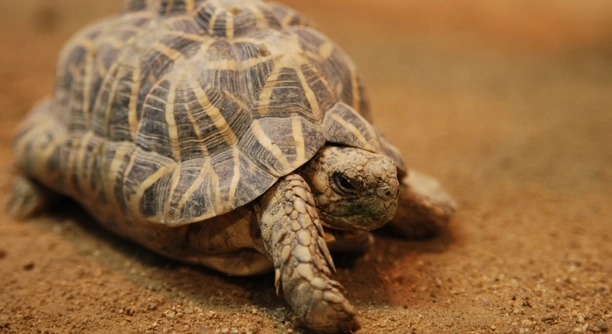
A foggy turtle tank can be a frustrating issue for many turtle owners. Understanding the cause can make all the difference in maintaining a clear and healthy environment for your turtle.
The most common reason for foggy turtle tanks is poor water filtration and frequent waste buildup. An inadequate filter can leave debris in the water, causing the tank to appear cloudy or foggy. This can also affect water quality.
There are several steps you can take to fix this issue and maintain a healthier tank.
Poor Filtration and Lack of Maintenance
A common issue with foggy turtle tanks is poor filtration. If your filter isn’t strong enough for the tank size or if it’s not being cleaned regularly, it can lead to cloudy water. This happens because waste and debris build up faster than the filter can remove them. Without proper filtration, algae can also grow, further clouding the water. It’s essential to replace or clean your filter as needed and ensure it’s suitable for the tank size. Regularly performing water changes will help keep things under control.
Regular maintenance, such as cleaning the tank and replacing the water, is crucial for maintaining water clarity. If the filter isn’t doing its job, cloudy water will become a constant issue.
A good rule of thumb is to clean the filter once a month and change 20% of the tank water weekly. By keeping the filter and tank clean, you’ll avoid cloudy water and ensure your turtle’s environment remains healthy.
Water Quality Issues
Another factor that leads to foggy water is poor water quality. This can be caused by high levels of ammonia, nitrates, or nitrites in the water. These chemicals can accumulate quickly if the water isn’t filtered properly or if waste isn’t removed in time. Poor water quality can stress your turtle, making it harder for them to thrive. You should use a water test kit to regularly check these levels.
Inadequate water changes and filtration create a cycle where waste accumulates faster than it can be removed, leading to poor water quality. A reliable filter and routine water changes will help combat this. Make sure to clean your turtle’s habitat thoroughly to prevent the buildup of harmful substances. Regularly testing the water also provides insight into when it’s time to act before the water quality worsens.
Overfeeding Your Turtle
Overfeeding is a common cause of foggy water. Uneaten food quickly decomposes, creating waste that clouds the water. It’s important to feed your turtle only what it can consume in 10 to 15 minutes. Any leftovers should be removed promptly to prevent them from polluting the tank.
By offering smaller, more frequent meals, you can prevent excess food from decaying in the tank. Consider using a feeding dish to control how much your turtle eats. This also helps ensure that food doesn’t get lost in the substrate. If you notice leftover food, clean it up immediately.
Monitoring the amount of food your turtle eats is essential to maintain a clean tank. A proper feeding schedule, along with careful observation, can prevent waste buildup. Overfeeding not only clouds the water but can also negatively impact your turtle’s health. Stick to the right portions to maintain both water clarity and your turtle’s well-being.
Inadequate Lighting
Inadequate lighting can lead to algae growth, which may contribute to a foggy tank. Turtles need UVB lighting to help them process calcium and maintain their health. Insufficient lighting can cause not only health issues for your turtle but also promote the growth of unwanted algae in the tank.
Using the right lighting setup can make a significant difference in both water clarity and your turtle’s overall well-being. Ensure the light is on for 10 to 12 hours a day, providing a proper balance of darkness and light. Overexposure can lead to algae blooms, so find the right amount for your setup.
UVB lights should be replaced every six months to ensure they’re effective. A proper lighting system that mimics natural daylight will also help with your turtle’s vitamin D3 production. Always check that your lighting system is suitable for the size of your tank to avoid any imbalances.
Incorrect Tank Size
Choosing the right tank size is essential for maintaining water clarity. A tank that’s too small for your turtle can lead to faster water contamination. A larger tank allows for better filtration and more space for your turtle to move around. This helps keep the water cleaner.
Turtles grow quickly, so it’s important to plan ahead when choosing a tank. A 40-gallon tank is generally recommended for adult turtles. If you have a baby turtle, make sure to upgrade as it gets larger. A tank that’s too small will not support a proper filtration system and can result in cloudy water.
A larger tank offers more room for both your turtle and the filter to work effectively. With a bigger space, water changes become less frequent, and the filtration system will be able to do its job better.
Inadequate Substrate Cleaning
A dirty substrate can contribute to cloudy water. If you’re using gravel, sand, or any other type of substrate, it’s important to clean it regularly. Over time, waste can settle on the bottom, turning the water murky.
Use a gravel vacuum to remove debris from the substrate. Don’t disturb it too much, as this can release dirt into the water. Be sure to clean the tank’s substrate once a week to prevent the accumulation of waste. Regular cleaning will reduce the risk of foggy water and improve the overall tank environment.
Water Temperature Fluctuations
Water temperature is another key factor in maintaining a clear tank. Sudden temperature changes can lead to the growth of bacteria or algae. Keep the water temperature stable between 75°F and 80°F to prevent these issues.
Using a reliable heater is essential for maintaining consistent water temperature. Avoid placing the tank near drafts or direct sunlight, as this can cause the water temperature to fluctuate. A stable temperature ensures that the beneficial bacteria in the tank can thrive, helping with filtration and water clarity.
FAQ
Why is my turtle tank foggy even after cleaning?
Foggy water can persist even after cleaning due to several reasons. One of the most common causes is insufficient filtration. If your filter is too weak for the size of the tank or not cleaned often enough, it will fail to remove waste, leading to cloudy water. Another reason might be the water quality itself, which can be affected by ammonia, nitrates, or nitrites. Testing your water regularly and performing water changes will help improve its quality.
How often should I change the water in my turtle tank?
It’s recommended to change 20-25% of the water in your turtle tank weekly. This helps maintain water quality and clarity, preventing the buildup of harmful chemicals. If your turtle produces a lot of waste, you may need to change the water more frequently. For larger tanks, water changes can be spaced out a bit more, but consistency is key.
Can the type of filter cause cloudy water?
Yes, the type and efficiency of the filter can directly affect water clarity. A filter that is too small or not powerful enough for the size of your tank will fail to remove debris, food particles, and waste. It’s important to choose a filter rated for your tank size and clean it regularly. Consider using a canister filter for larger tanks, as they are more effective at keeping the water clear.
Should I feed my turtle less to avoid cloudy water?
Overfeeding is a common cause of cloudy water. If your turtle is eating more food than it can consume in one sitting, the uneaten food decomposes and pollutes the water. Offering smaller amounts of food and removing any uneaten food after 15 minutes can help prevent this problem. It’s also crucial to feed the right type of food and avoid offering food that can easily disintegrate in the water.
What causes algae growth in a turtle tank?
Algae growth in a turtle tank is caused by excess nutrients, often from uneaten food, waste, or improper lighting. Algae thrive when there’s too much light, especially if the tank is exposed to direct sunlight for long periods. Reducing the light exposure and keeping the tank clean by removing waste will help control algae growth. Using a UV sterilizer can also prevent excessive algae blooms.
Can I use tap water in my turtle tank?
You can use tap water, but it’s important to treat it first. Tap water often contains chlorine and chloramine, which can harm your turtle and beneficial bacteria in the tank. Using a water conditioner to neutralize these chemicals before adding it to the tank is essential. If you’re concerned about the water quality, you can also use distilled or dechlorinated water.
Why is my turtle tank water cloudy after adding new substrate?
Adding new substrate can cause temporary cloudiness in your turtle’s tank. This usually happens because of dust and particles that are stirred up when the substrate is placed in the tank. You can rinse the substrate thoroughly before adding it to the tank to reduce this issue. If the cloudiness persists, doing a partial water change can help clear it up.
How do I know if my turtle’s tank water is clean?
Testing the water regularly is the best way to monitor water cleanliness. Use a water testing kit to check for ammonia, nitrates, nitrites, and pH levels. Clear water does not always indicate that the water is free of harmful chemicals. If you notice your turtle acting lethargic or having trouble breathing, it could be a sign that the water isn’t as clean as it should be.
Is it bad to have a tank with no filtration?
A tank without filtration is not recommended, as it can lead to poor water quality. Without a filter, debris, waste, and uneaten food will quickly accumulate in the water, causing cloudiness and an unhealthy environment for your turtle. It’s essential to have a filtration system in place that’s appropriate for your tank size and to perform regular maintenance.
Can I use aquarium salt to help with cloudy water?
While aquarium salt can help with certain health issues, it’s not a solution for cloudy water caused by poor filtration or water quality. Cloudiness is usually a sign of waste buildup, and salt won’t address the root cause. It’s better to focus on maintaining proper filtration, water changes, and cleaning practices to improve water clarity.
Final Thoughts
Keeping a turtle tank clear and healthy requires regular maintenance and attention to detail. It’s essential to provide the right environment for your turtle, including proper filtration, water temperature, and regular water changes. These steps not only prevent cloudy water but also contribute to your turtle’s overall well-being. By sticking to a consistent cleaning schedule and monitoring water quality, you can create a healthy habitat where your turtle can thrive.
Understanding the causes of cloudy water can help you address the problem more effectively. It’s not always about cleaning the tank more often but ensuring that the tank is set up correctly from the start. The filter should be the right size for your tank, and the water temperature should remain stable to support healthy bacteria. Keeping the tank free from excess waste and food will also make a big difference in maintaining clear water.
In summary, it’s important to stay on top of your turtle’s tank maintenance to prevent and fix cloudy water. While it may seem like a challenge at first, once you establish a routine and understand the factors involved, it becomes easier. Regular cleaning, proper filtration, and a suitable tank size will go a long way in ensuring your turtle enjoys a clean and healthy environment.

Hello,
If you enjoy the content that we create, please consider saying a "Thank You!" by leaving a tip.
Every little bit helps us continue crafting quality advice that supports the health, happiness, and well-being of pets around the world, for pets of all shapes, sizes, and species.
We really appreciate the kindness and support that you show us!