
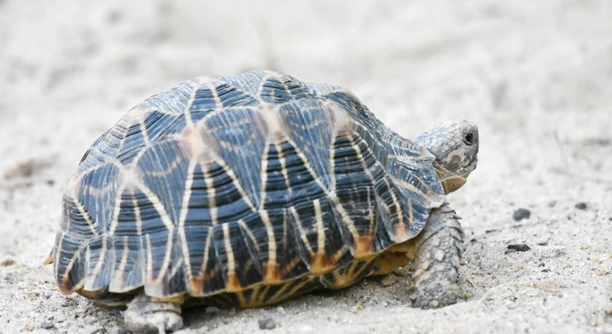
Getting a turtle is an exciting decision, but it comes with important responsibilities. Before bringing one home, there are several things to keep in mind to ensure you can provide a safe and healthy environment for your new pet.
Before getting a turtle, you must ensure you have the right habitat, proper care knowledge, and understanding of its specific needs. Preparing a suitable tank, knowing the feeding schedule, and providing adequate lighting and temperature are essential for your turtle’s well-being.
Turtles require more than just a water tank to thrive. Knowing how to set up their space and meet their needs will prepare you for a happy and healthy relationship with your new pet.
Choose the Right Tank Size and Setup
When choosing a tank for your turtle, size matters. Turtles need plenty of space to swim, bask, and explore. A general rule is to provide 10 gallons of water per inch of your turtle’s shell length. If you’re unsure, a 40-gallon tank is a good starting point for a small turtle.
Turtles also need a dry area to bask in. This can be achieved with a platform that’s easy to access and stays dry. Having both water and land areas will help your turtle feel secure and allow it to exhibit natural behaviors.
Water quality is just as important. Install a good filter to keep the water clean and fresh. Turtles are messy creatures, and they can easily dirty their environment, so regular water changes and tank cleaning will be necessary. The water temperature should be kept at the right level for your specific turtle species, usually between 75°F and 80°F.
Understand the Right Diet
Turtles have specific dietary needs. You’ll need to feed them a balanced mix of vegetables, protein, and other treats depending on their age and species. Hatchlings eat more protein, while adults lean more towards plants.
A healthy diet ensures your turtle grows strong and has a long life. However, overfeeding or underfeeding can lead to health problems. You’ll also want to avoid feeding them foods high in fats and sugars, like certain processed foods.
To ensure your turtle’s nutrition is balanced, try mixing greens like kale and collard greens with proteins like crickets, earthworms, or fish. You can also offer turtle pellets as a supplement. Avoid foods like iceberg lettuce, which provides little nutrition. Understanding how to feed them the right food at the right time is key to keeping them healthy.
Maintain Proper Temperature and Lighting
Turtles require a temperature-controlled environment. A basking area should be kept around 90°F, while the water temperature should be between 75°F and 80°F. Without the right temperature, your turtle may become stressed or sick.
Providing proper lighting is essential for your turtle’s health. UVB lights help them absorb calcium and prevent shell deformities. These lights should be on for about 10 to 12 hours a day. Without UVB light, your turtle could suffer from metabolic bone disease. It’s crucial to replace these bulbs regularly, as their effectiveness decreases over time, even if the light still works. Make sure your turtle has access to both warmth and UVB light to thrive.
Consider investing in a thermometer and a timer to maintain the correct conditions consistently. A good heat source like a ceramic heat emitter or a basking lamp will help regulate the temperature of the tank. Monitoring the temperature often will make sure your turtle remains healthy.
Regular Tank Maintenance
Keeping your turtle’s tank clean is crucial to its health. Dirty water leads to bacteria and algae growth, which can cause illness. Regular water changes, about 25% each week, will keep things fresh. Clean the tank’s decorations and filter often.
You should also scrub the tank walls regularly to prevent algae buildup. Use aquarium-safe cleaners and avoid harsh chemicals. Cleaning the filter is essential too, as it can accumulate debris. Make sure it is functioning properly, as a broken filter can result in unhealthy water quality. It’s easy to neglect regular cleaning, but it’s necessary to ensure your turtle’s environment stays safe.
Pay attention to water clarity and smell. If the water starts to look cloudy or has a foul odor, it’s time for a deep clean. Keeping the tank spotless will prevent your turtle from contracting infections and other diseases. A clean environment will ensure your turtle stays happy.
Choose the Right Turtle Species
Not all turtles are the same, and choosing the right species is crucial. Some turtles need more space, while others may require specific water conditions. Researching your preferred turtle species will help ensure you meet its needs.
For example, aquatic turtles like red-eared sliders need a large tank with a water filter, while box turtles need a smaller enclosure with dry land. The right environment is key to your turtle’s comfort and longevity. If you’re a beginner, start with a species that’s easier to care for, like the red-eared slider.
Be Aware of Turtles’ Lifespan
Turtles live a long time, sometimes up to 50 years or more, depending on the species. This long lifespan means you must be ready for a long-term commitment.
As their owner, it’s important to plan for changes in your life, like moving or having to care for the turtle when you’re older. A long-lived pet can be a wonderful companion, but they come with responsibilities. Make sure you’re ready to provide for your turtle’s needs for decades. You may need to pass on the responsibility to someone else when the time comes.
Provide Enough Space to Roam
Turtles need enough room to swim and explore. A cramped tank will lead to stress and health issues. Even a small turtle needs room to move around, so always go for a tank size larger than you think you need.
FAQ
How often should I feed my turtle?
Turtles eat at different frequencies depending on their age and species. Young turtles, especially hatchlings, should be fed daily. As they grow, you can reduce the feeding to 3-4 times a week. Overfeeding can lead to obesity and shell deformities, so always measure out food portions. Ensure the food you offer is balanced, including a mix of vegetables, protein, and specialized turtle pellets. Be mindful of how much your turtle consumes, as leftovers can dirty the water quickly.
What should I do if my turtle stops eating?
If your turtle suddenly stops eating, it could be a sign of stress, illness, or environmental problems. Check the water temperature and ensure it’s within the proper range. If the conditions are correct, your turtle might be stressed due to an improper tank setup or changes in its environment. Make sure the tank is clean and the lighting is adequate. If the issue persists for more than a few days, consult a vet experienced with reptiles to rule out illness.
Can turtles live with other pets?
Turtles can sometimes live with other pets, but it depends on the species and the pet. Aquatic turtles might live with other peaceful fish in large tanks, but they can be aggressive or territorial, especially during feeding time. Always monitor interactions and avoid placing turtles with more aggressive pets like larger fish or other reptiles. If you are considering housing a turtle with other animals, make sure they have separate spaces within the tank to avoid conflict.
How can I tell if my turtle is sick?
Sick turtles often display noticeable changes in behavior or physical appearance. Look for signs like a lack of appetite, lethargy, shell discoloration, swelling, or abnormal breathing. If your turtle is spending more time than usual on the basking area or avoiding water, it could be a health issue. Also, check for respiratory signs, such as wheezing or bubbling from the nose. If any of these symptoms appear, it’s best to take your turtle to a reptile vet.
How often should I clean my turtle’s tank?
Cleaning your turtle’s tank is crucial to maintaining a healthy environment. You should clean the water filter every 1-2 weeks and change about 25-30% of the water. The tank itself should be deep cleaned every 4-6 weeks. This includes scrubbing algae from the walls, cleaning decorations, and checking the tank for debris. The basking area also needs to be cleaned regularly, as dirt and waste can build up quickly. Always use aquarium-safe cleaning supplies, avoiding chemicals that could harm your turtle.
Do turtles need to bask?
Yes, turtles need to bask to regulate their body temperature and absorb UVB light, which is essential for calcium absorption and shell health. Provide a basking area with a lamp that produces heat and UVB rays. The temperature of the basking spot should be around 90°F. Without access to a proper basking spot, turtles can develop health problems such as shell deformities or metabolic bone disease. Ensure the basking platform is easily accessible and dry, allowing the turtle to bask comfortably.
What temperature should my turtle’s tank be?
Maintaining the right water temperature is essential for your turtle’s health. Water should generally be kept between 75°F and 80°F. The basking area should be warmer, around 90°F. Use a thermometer to monitor both the water and basking areas, as temperature fluctuations can cause stress or illness. If your tank is too cold, your turtle might not eat properly, and its immune system could weaken, making it more vulnerable to infections. Use a reliable heater to regulate the water temperature if needed.
Do turtles need special lighting?
Yes, turtles require special lighting to stay healthy. UVB lighting is essential for them to synthesize vitamin D3, which helps with calcium absorption and bone development. Without UVB light, turtles can develop metabolic bone disease and other health issues. Ensure that the UVB bulb is placed close enough to your turtle and is on for 10-12 hours a day. Also, replace the UVB bulb every 6 months, as the effectiveness of the light diminishes over time, even if the bulb still works.
How can I prevent my turtle from getting bored?
Turtles, like other pets, can get bored if their environment isn’t stimulating enough. Provide hiding spots, floating objects, and various textures for them to explore. You can also rotate different decorations in the tank every few weeks to keep things interesting. If you have an aquatic turtle, consider adding live plants, which will not only help with water quality but also give your turtle something new to interact with. Regularly changing the tank setup will help prevent boredom and stress, keeping your turtle mentally stimulated.
Can I handle my turtle?
Turtles can tolerate gentle handling, but they are not pets that enjoy being held for long periods. Excessive handling can cause stress and make your turtle more likely to hide or become aggressive. When you do handle your turtle, make sure to support its body properly and avoid grabbing it by the shell. Turtles should be picked up gently and placed back in their tank after a short time. Always wash your hands before and after handling your turtle to avoid transferring bacteria.
How do I tell the difference between a male and female turtle?
Identifying the gender of your turtle can be tricky, but there are a few differences you can look for. Male turtles tend to have longer tails, and their claws are often more elongated. Females typically have shorter tails and smaller claws. In some species, males also have a slightly concave plastron (the bottom shell) to help with mating. These differences are more noticeable when the turtle reaches maturity, so it may be difficult to determine gender in younger turtles.
Final Thoughts
Turtles can make great pets when cared for properly. They have specific needs that, if met, can help them live long, healthy lives. From setting up the right environment with proper lighting and temperature to understanding their diet and tank maintenance, taking the time to learn about your turtle’s needs is essential. A well-maintained habitat ensures your turtle feels comfortable and safe, which is key to their well-being.
Though turtles are relatively low-maintenance compared to other pets, they do require attention and care. Their long lifespan means that owning one is a long-term commitment. This is something to keep in mind before deciding to get a turtle. Ensuring that you can provide for your pet’s needs for many years is an important part of responsible pet ownership. If you’re ready for the responsibility, a turtle can bring a lot of joy and interest into your life.
Remember, each turtle species has its own specific care requirements. It’s important to research the particular needs of the species you plan to adopt. Proper care, feeding, and tank maintenance will ensure your turtle lives a happy and healthy life. By providing a suitable environment and understanding their needs, your turtle can thrive, and you’ll enjoy the experience of having a unique and interesting pet.

Hello,
If you enjoy the content that we create, please consider saying a "Thank You!" by leaving a tip.
Every little bit helps us continue crafting quality advice that supports the health, happiness, and well-being of pets around the world, for pets of all shapes, sizes, and species.
We really appreciate the kindness and support that you show us!