
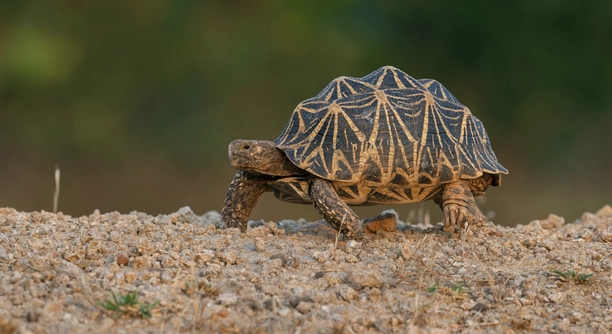
Setting up a turtle tank can be a fun project, but it can also get expensive. Luckily, there are many DIY hacks that can help save money while creating a comfortable habitat for your turtle.
There are several cost-effective DIY turtle tank hacks that can reduce expenses without compromising on your pet’s well-being. Using items like plastic containers, aquarium filters, and inexpensive lighting setups can help you create a suitable environment for your turtle.
These simple hacks can help you create the perfect tank without breaking the bank.
1. Use Plastic Storage Bins Instead of Expensive Aquariums
Plastic storage bins are a great alternative to costly aquariums. They come in various sizes and can be easily found at most home stores. Not only are they affordable, but they also provide ample space for your turtle to swim and explore. You can even customize these bins by adding ventilation holes or creating a more natural-looking habitat with decorations and plants. When purchasing a plastic bin, ensure it’s made of sturdy material that won’t crack under pressure, especially when filled with water. These bins are easy to clean, which makes maintaining your turtle’s tank much simpler.
The best part is that these bins can be stacked or placed in smaller spaces, so you can work with whatever area you have available. Plastic storage bins are just as functional as traditional aquariums, and they won’t break the bank. Just be sure to choose a size that fits your turtle’s growth needs.
Plastic bins can be turned into excellent habitats with the right accessories. Adding a proper filter, rocks, and water plants will help create an environment that mimics a turtle’s natural surroundings. With the right setup, your turtle will enjoy their new space, and you’ll save money.
2. DIY Turtle Tank Filter
Filters are essential to maintain clean water in your turtle’s tank. A DIY filter system can be made using simple materials that you may already have at home. You’ll need a container, a sponge, some aquarium tubing, and a pump. The pump will push water through the sponge, which filters out debris and waste from the tank. This setup is just as effective as store-bought filters, but it comes at a fraction of the price.
By creating your own filter system, you also have the flexibility to adjust it to your turtle’s specific needs. You can create more powerful filtration if you have multiple turtles or add extra layers of filtration to improve water quality.
The DIY approach also allows you to use eco-friendly materials, such as recycled containers or tubing. Not only will this save money, but it will also contribute to reducing waste. A properly filtered tank is crucial for the health and well-being of your turtle, and a DIY system can achieve the same results as commercial models without the high cost.
3. Create a DIY Turtle Tank Heater
A tank heater is important for keeping your turtle comfortable, but it doesn’t have to be expensive. You can create your own using a simple submersible heater or a heat mat designed for reptiles. Placing a small heat mat under the tank or attaching it to the side can help regulate the temperature without having to buy an expensive specialized heater. Make sure to monitor the temperature to avoid overheating or underheating the water.
You can also make use of a thermometer to check the water’s temperature regularly. Turtles need water at a consistent temperature, and while DIY heaters can work, it’s important to ensure that it’s reliable and safe. Adding heat lamps to provide light and warmth at the basking area is another low-cost solution.
A homemade heater setup can often perform just as well as a store-bought version. By combining heat mats, lamps, and submersible heaters, you can create an affordable and effective system for keeping your turtle’s habitat at the right temperature.
4. Use Rocks and Gravel for Substrate
Instead of buying expensive aquarium substrate, rocks and gravel are an affordable alternative that will also help maintain water quality. Choosing smooth, non-abrasive rocks is ideal, as they won’t hurt your turtle’s sensitive skin. Gravel provides a natural look and can be easily rinsed clean when needed. This DIY substrate will also help create an environment that mimics a turtle’s natural habitat, especially if you add plants and larger stones.
When selecting gravel or rocks, make sure the size is appropriate. Small rocks can easily be ingested by your turtle, leading to potential health risks. Use rocks large enough to stay in place, but small enough that they don’t block the filter or the turtle’s movement. Adding some plants on top of the gravel can help with water filtration and provide shelter for your turtle.
Using rocks and gravel not only reduces costs but also contributes to a more natural tank setup. It can help with the biological filtration of the water while also offering a place for your turtle to explore.
5. Reuse Old Aquarium Decorations
Old aquarium decorations can be cleaned and reused in your turtle’s tank. Items like rocks, driftwood, and plastic plants can be repurposed to create a more interesting environment for your turtle. Simply sanitize them before placing them back in the tank. These decorations provide hiding spots and enhance the tank’s natural feel.
Reusing items you already have helps reduce waste and keeps your turtle’s habitat fresh without spending extra money. Just ensure that any items you use are safe for aquatic environments and will not leach harmful chemicals into the water.
6. Build a DIY Turtle Tank Basking Area
A basking area is essential for your turtle’s health. You can create one using simple materials like wood, a sturdy platform, and a heat lamp. Building a basking platform from plastic or wood is affordable and provides your turtle with a safe space to climb out of the water. Attach the platform to the side of the tank for easy access.
Adding a heat lamp above the basking area helps mimic natural sunlight and allows your turtle to warm up. The platform can be positioned just above the water to keep it dry while ensuring that the turtle can easily reach it.
Creating a basking area yourself is a great way to provide your turtle with a necessary feature without paying for expensive pre-made options. Using basic materials that are easy to find, you can easily build a functional basking area that will suit your turtle’s needs.
7. Make Your Own Turtle Tank Water Conditioner
Instead of buying expensive water conditioners, you can make your own. A mixture of aquarium salt and dechlorinated water can help maintain the water’s quality and prevent bacteria buildup. Simply mix the salt with water to create a solution, and use it to condition the tank water regularly.
FAQ
How often should I clean my turtle tank?
You should clean your turtle tank every two to three weeks, depending on the size of the tank and the number of turtles. Smaller tanks need more frequent cleaning, while larger tanks can go a bit longer between cleanings. Regular water changes, around 25-30% of the water, should also be done every week to maintain good water quality. Be sure to clean the filter as well, since it plays a significant role in keeping the water clean.
Can I use tap water for my turtle tank?
Using tap water is fine, but you should always treat it first to remove chlorine and other chemicals. Chlorine can harm your turtle’s health and kill beneficial bacteria in the tank. You can use a water conditioner to dechlorinate the water or let the water sit for 24-48 hours to allow the chlorine to dissipate naturally. Always check the water’s temperature and make sure it’s suitable for your turtle before adding it to the tank.
How do I know if the water temperature is right for my turtle?
Turtles require a water temperature between 75°F and 85°F (24°C to 29°C) to stay healthy. You can measure the water temperature using a submersible thermometer. Place the thermometer at different areas of the tank to make sure it stays consistent throughout. You may also need a heater to regulate the temperature if the room is cooler.
Do I need a special light for my turtle tank?
Yes, a proper light source is essential for your turtle’s health. Turtles need UVB light to help them metabolize calcium and avoid shell deformities. A UVB light should be placed above the basking area, where your turtle can get plenty of exposure. In addition to UVB, you may also need a heat lamp to provide warmth, as turtles need a basking area that is warmer than the water.
Can I use regular gravel for my turtle tank?
Regular gravel can be used, but it’s important to choose gravel that is large enough so your turtle can’t swallow it. Small gravel pieces pose a choking hazard and can lead to digestive issues. Larger stones and smooth river rocks are a safer option and still provide the same aesthetic appeal as gravel. Be sure to rinse the gravel thoroughly before placing it in the tank to remove any dirt or debris.
How can I make sure my turtle doesn’t escape from the tank?
Turtles are surprisingly good at escaping if given the chance. To prevent this, use a tank with a secure lid or a cover that fits tightly. If your tank doesn’t have a lid, you can make a DIY cover from materials like mesh or clear acrylic. Be sure to check for any gaps where your turtle might slip through. It’s also a good idea to avoid stacking decorations too high, as they may give your turtle a boost to escape.
How much space does my turtle need in the tank?
Turtles need plenty of space to swim, bask, and move around. A general rule of thumb is to provide at least 10 gallons of water for every inch of your turtle’s shell length. A larger tank is always better, as it gives your turtle more room to roam. Remember to include both swimming space and a basking area for your turtle’s needs.
Can I have more than one turtle in the same tank?
Yes, but you need to make sure the tank is large enough to accommodate multiple turtles. Some species of turtles can be territorial, so you’ll need to provide enough hiding spots and basking areas to prevent conflicts. Be sure to monitor their behavior, especially if they are different species. If aggression occurs, it may be best to house them separately.
What should I feed my turtle?
Turtles are omnivores, which means they eat both plants and animals. You can feed them a combination of high-quality turtle pellets, fresh vegetables like leafy greens, and occasional protein like insects or small fish. Avoid feeding your turtle human food or anything that’s too high in fat. Make sure to provide a varied diet to keep them healthy.
How do I know if my turtle is sick?
Signs of illness in turtles include a lack of appetite, lethargy, swollen eyes, and changes in the shell such as soft spots or discoloration. If your turtle shows any of these symptoms, it’s important to consult a vet with experience in reptiles. A healthy turtle is active, has clear eyes, and a firm shell.
Is it necessary to add water plants to my turtle tank?
Water plants are not strictly necessary, but they are beneficial for several reasons. They help improve water quality by absorbing excess nutrients, reducing algae growth, and providing hiding spots for your turtle. Plants also give your turtle a more natural environment and can provide a food source for herbivorous turtles.
How long do turtles live?
Turtles can live for a long time, especially if they are properly cared for. Many species can live between 20 to 40 years, with some even reaching 50 years or more. It’s important to consider the long-term commitment of owning a turtle, as they can be a part of your life for several decades.
Final Thoughts
Setting up and maintaining a turtle tank doesn’t have to be expensive. By using simple, cost-effective hacks, you can create a safe and comfortable home for your turtle. From repurposing old decorations to building your own basking area, there are many ways to save money while still providing a high-quality environment for your pet. These DIY solutions allow you to customize the tank according to your turtle’s needs without breaking the bank. The key is to plan ahead and use materials you already have, making the most of what’s available to you.
Taking good care of your turtle requires regular maintenance. Cleaning the tank and monitoring water quality are essential tasks, but they don’t have to be difficult. With proper filtration and regular water changes, you can maintain a healthy environment for your turtle with minimal effort. It’s important to also keep an eye on the temperature and lighting in the tank, as these factors play a big role in your turtle’s overall well-being. By creating a balanced habitat, you can ensure that your turtle lives a long, healthy life.
Finally, it’s crucial to keep in mind that every turtle species has its own specific needs. While these hacks work for most common pet turtles, you should always research the specific requirements for your turtle’s species. With the right care, your turtle can thrive in its tank for many years. Whether you are just starting out or have been caring for turtles for some time, there is always room for improvement in the tank setup. These simple and affordable DIY ideas can make all the difference in providing a better life for your turtle.

Hello,
If you enjoy the content that we create, please consider saying a "Thank You!" by leaving a tip.
Every little bit helps us continue crafting quality advice that supports the health, happiness, and well-being of pets around the world, for pets of all shapes, sizes, and species.
We really appreciate the kindness and support that you show us!