
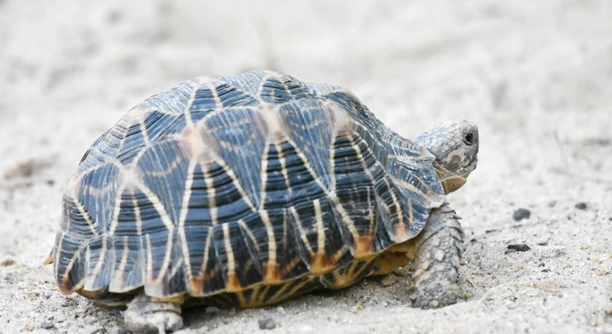
Has your turtle been keeping its eyes wide open all the time? Many turtle owners notice that their pet may not always close its eyes, even when it seems like it should. This can be a concern.
Turtles not closing their eyes could be due to several factors, including environmental stress, health problems, or injury. In some cases, it may be a sign of an eye infection or other medical issues that need attention.
Understanding the reasons behind this behavior is essential for ensuring your turtle’s well-being. Identifying the cause can help you take the necessary steps to fix the issue and keep your pet comfortable and healthy.
Common Reasons Why Turtles Don’t Close Their Eyes
If your turtle isn’t closing its eyes, the first thing to consider is the environment. Turtles rely on the right humidity and temperature to feel comfortable. If these conditions are off, your turtle might become stressed or dry-eyed, leading to difficulty in closing its eyes. Turtles in captivity, especially those housed in tanks, need controlled environments to stay healthy. If the tank’s humidity is too low or the temperature fluctuates, your turtle might have trouble closing its eyes as a result of dehydration or discomfort. Poor lighting or too much artificial light can also cause this issue. These factors should be addressed immediately to prevent further stress on your pet.
Changes in the environment can also cause physical stress. A sudden move, noisy surroundings, or even new tank mates can create anxiety.
For any pet, maintaining the proper living conditions is crucial. The water in your turtle’s habitat should be clean, and the temperature should stay consistent. Try adjusting the tank’s conditions and observe if your turtle’s behavior improves.
Eye Infections and Injuries
Turtles with eye infections may keep their eyes open or swollen.
Turtle eye infections often result from bacteria, fungi, or viruses entering the eyes. The eyes may appear red, swollen, or cloudy. If this is the issue, a vet visit is necessary. Treatments for infections include prescription eye drops or ointments, which help clear up the infection and encourage your turtle to close its eyes again. If the infection has spread, it could affect your turtle’s health, causing loss of appetite or lethargy. The sooner the infection is treated, the better for your pet’s overall well-being.
Injuries to the eye, such as a scratch or poke, can also lead to discomfort. If a foreign object or other turtle has caused harm to the eye, it might remain open to avoid further irritation. A vet can help clean the wound and prescribe the proper treatment.
Dehydration
A common reason for a turtle not closing its eyes is dehydration. When a turtle doesn’t get enough water, it can affect its overall health and make it harder for its eyes to close properly. Dehydration can also cause the skin around the eyes to dry out, leading to discomfort.
To fix dehydration, increase the humidity in the tank and make sure there’s always fresh, clean water available. Some turtles may benefit from soaking in a shallow water dish for 20-30 minutes to hydrate. Keep track of your turtle’s water intake and check if the skin around the eyes becomes more supple after increasing water access. Dehydration is often the first issue to address, as it can lead to other health problems if left unchecked.
Monitoring water quality is key to avoiding dehydration. If your turtle’s water is dirty or lacks proper filtration, it can lead to skin and eye issues. Cleaning the tank and ensuring proper filtration can reduce the risk of dehydration.
Stress and Anxiety
Stress can also keep your turtle’s eyes from closing. Whether from a change in the environment or interactions with other pets, turtles are sensitive to stress. If there are constant disturbances or unfamiliar tank mates, they might feel threatened and keep their eyes wide open.
To reduce stress, provide your turtle with a calm and quiet environment. Make sure its tank is in a peaceful spot away from loud noises and vibrations. If your turtle is housed with other animals, be mindful of their behavior. Territorial disputes or aggression can cause stress. If your turtle appears stressed, isolating it for a period can help it feel safe and more likely to relax and close its eyes.
Recognizing the signs of stress early helps prevent long-term issues. A stressed turtle might also stop eating, hide, or show other unusual behaviors. Keeping stress levels low will help your turtle stay calm and healthy.
Nutritional Deficiencies
A lack of proper nutrition can also lead to your turtle not closing its eyes. Turtles need a balanced diet that includes a variety of vitamins and minerals, especially Vitamin A, which is crucial for eye health. Without it, they may develop eye problems.
If your turtle is not eating enough of the right foods, it could show signs of Vitamin A deficiency, like swollen or dry eyes. Providing a balanced diet with leafy greens, insects, and appropriate pellets can help restore the proper nutrients. Vitamin A-rich foods like carrots and sweet potatoes are especially important. If needed, consult a vet for supplements.
Eye Irritation from Tank Conditions
Improper tank conditions may cause eye irritation, making it hard for your turtle to close its eyes. Dirty water, chemicals, and poor water quality can affect your turtle’s eyes. This irritation can lead to discomfort.
Make sure to clean the tank regularly and change the water frequently. Keep the water temperature within the proper range and test the water for harmful chemicals. If your turtle’s eyes seem irritated, adjusting the water conditions might help resolve the issue. Additionally, using a proper filtration system will keep the water clean and reduce eye irritation.
Injuries from Tank Mates
If your turtle shares its tank with other pets, an injury could be the cause of it not closing its eyes. Sometimes, fights between turtles or other animals can result in scratches or wounds around the eyes. This can make the eyes feel irritated or painful.
Ensure that all your tank mates are compatible and avoid overcrowding. Watch for any signs of aggression or bullying between animals. If your turtle has been injured, separate it from the others to prevent further harm and seek veterinary care to properly treat the injury.
FAQ
Why is my turtle keeping its eyes open all the time?
Turtles may keep their eyes open due to various reasons. The most common ones include dehydration, stress, eye infections, and environmental issues like low humidity or poor water quality. If your turtle’s eyes are constantly open, it may be a sign of discomfort or health issues that need addressing. The eyes should close naturally when the turtle feels safe and comfortable.
How can I tell if my turtle has an eye infection?
If your turtle has an eye infection, you might notice redness, swelling, or cloudiness around the eyes. There could also be discharge, and your turtle may appear to struggle when blinking or keeping its eyes closed. If you suspect an infection, it’s best to take your turtle to the vet for diagnosis and treatment.
What should I do if my turtle’s eyes are swollen?
Swollen eyes can be caused by several factors, including infection, injury, or dehydration. If your turtle’s eyes are swollen, first check the water conditions to ensure they are clean and suitable for your pet. Then, make sure your turtle has access to enough water and proper humidity. If swelling persists, visit a vet for further examination.
Can poor tank conditions cause my turtle’s eyes to stay open?
Yes, poor tank conditions can be a major factor. Dirty water, improper lighting, or wrong water temperature can cause stress and irritation, which can prevent your turtle from closing its eyes. Always maintain clean water, stable temperatures, and appropriate lighting to ensure your turtle’s comfort.
How can I improve the humidity in my turtle’s tank?
To improve the humidity, you can increase the frequency of water changes, use a humidity gauge to monitor levels, and invest in a good tank filter. You can also use a spray bottle to mist the tank occasionally. Ensure that the tank has a humid hide or a shallow water dish for your turtle to soak in, as this can help maintain proper humidity.
Is it normal for a turtle to have its eyes open when it’s basking?
Yes, it’s completely normal for a turtle to have its eyes open while basking. Turtles typically bask with their eyes open, as this is part of their behavior when they are relaxing or warming up under a heat source. As long as the eyes seem healthy and aren’t showing signs of irritation, there’s no need to worry.
How often should I clean my turtle’s tank to prevent eye problems?
Cleaning your turtle’s tank regularly is essential for preventing eye problems. Aim to clean the tank and change the water every 1-2 weeks, depending on the size of the tank and the number of turtles. A good filter system also helps keep the water clean in between full cleanings. Keeping the tank free from debris and harmful bacteria can reduce the risk of infections.
Can a lack of Vitamin A cause my turtle not to close its eyes?
Yes, Vitamin A deficiency can cause eye problems, including the inability to close eyes. If your turtle isn’t getting enough Vitamin A, it may suffer from swollen or dry eyes. To prevent this, feed your turtle foods rich in Vitamin A, such as carrots, kale, and sweet potatoes. If you’re unsure about the diet, a vet can recommend supplements.
What are the signs that my turtle is stressed?
Turtles can show signs of stress through behaviors such as not eating, hiding more than usual, pacing in the tank, or constantly having their eyes open. Stress can also result from environmental changes, tank mates, or lack of space. Providing a calm, stable environment can help alleviate stress in your turtle.
Can I use any eye drops on my turtle?
It’s not recommended to use human eye drops on your turtle without consulting a veterinarian. Turtles have specific needs, and using the wrong kind of medication could worsen the situation. If your turtle’s eyes are irritated, take it to a vet who can prescribe turtle-safe eye drops or ointments.
How do I know if my turtle is dehydrated?
Signs of dehydration in turtles include dry or wrinkled skin, lack of appetite, lethargy, and the inability to close its eyes. Dehydration can occur if the turtle is not drinking enough water or if the humidity levels in the tank are too low. Ensuring your turtle has access to clean, fresh water and proper humidity can prevent dehydration. Soaking the turtle in shallow water for 20-30 minutes a few times a week can help as well.
Can eye irritation lead to permanent damage in my turtle?
If eye irritation is left untreated, it can potentially cause permanent damage, such as vision loss or scar tissue. That’s why it’s important to address any signs of irritation, infection, or injury as soon as possible. A vet can help treat the problem early to avoid long-term effects.
How can I make my turtle feel more comfortable in its tank?
To make your turtle feel comfortable, create a habitat that mimics its natural environment. This includes maintaining the correct water temperature, humidity, and lighting. You should also ensure that your turtle has enough space to swim, bask, and hide. Providing enrichment, such as hiding spots and safe climbing areas, can also reduce stress.
Is it okay to keep more than one turtle in the same tank?
It depends on the species and size of the tank. Some turtles are more territorial and may fight with others, leading to stress and potential injuries, including eye damage. If you want to keep more than one turtle, make sure the tank is large enough to provide enough space for each one. Monitor their behavior for signs of aggression and be prepared to separate them if needed.
Final Thoughts
If your turtle isn’t closing its eyes, it can be a sign of a few different issues. It’s important to observe your turtle closely to determine the root cause. Environmental factors, such as low humidity or poor water quality, can cause discomfort, which may lead to your turtle keeping its eyes open. Ensuring the tank conditions are correct, such as maintaining a clean environment, stable temperatures, and proper lighting, can make a significant difference in your turtle’s behavior. Additionally, stress from sudden changes in its environment or tank mates can also contribute to this issue, so providing a calm and stable habitat is key.
Health problems like dehydration, eye infections, or injuries can also be a cause of your turtle not closing its eyes. Dehydration can affect your turtle’s overall health, making it more difficult for it to blink or close its eyes naturally. Eye infections are another common issue, and they should be treated quickly to prevent further damage. If you suspect an infection, it’s always a good idea to consult a vet. Turtles with injuries to their eyes might also struggle with keeping them closed. This can be caused by physical harm, such as scratches or bumps from other tank mates. In this case, removing the injured turtle from the others and getting proper treatment is crucial.
Lastly, nutrition plays an important role in your turtle’s health. A lack of vital vitamins like Vitamin A can lead to eye problems, including difficulty closing the eyes. Ensure your turtle is getting a balanced diet with the right nutrients. Foods rich in Vitamin A, such as carrots and leafy greens, can help maintain healthy eyes and skin. If you are unsure about your turtle’s diet or if it continues to show signs of discomfort, consulting a vet can provide helpful guidance. By keeping the right conditions and providing proper care, you can help your turtle stay healthy and happy.

Hello,
If you enjoy the content that we create, please consider saying a "Thank You!" by leaving a tip.
Every little bit helps us continue crafting quality advice that supports the health, happiness, and well-being of pets around the world, for pets of all shapes, sizes, and species.
We really appreciate the kindness and support that you show us!