
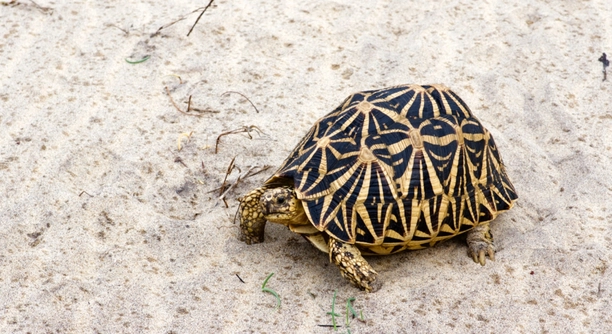
Turtles are unique creatures, and their behavior can sometimes leave us puzzled. If you’ve noticed bubbles coming from your turtle, you may be concerned or curious about what’s going on. There are various reasons for this behavior.
The presence of bubbles in turtles often indicates either normal breathing or a health issue, such as respiratory infection, water quality problems, or stress. Observing the situation carefully and understanding its cause can help prevent further complications.
Understanding the possible causes of your turtle’s bubble-blowing behavior can help ensure its well-being. This guide will explore the different factors that may contribute to this occurrence.
Respiratory Infection
Turtles can develop respiratory infections that may cause them to blow bubbles from their nose or mouth. This is usually a result of bacteria entering the respiratory system, often due to poor water quality or stress. A respiratory infection can cause your turtle to act sluggish, have trouble breathing, and exhibit mucus or bubbles around its nose.
If you notice any unusual breathing sounds, mucus, or excessive bubbles, it’s essential to act quickly. A trip to the vet for proper diagnosis and treatment may be necessary. Your turtle might need antibiotics or other treatments to recover fully.
In some cases, respiratory infections develop due to sudden temperature changes in the tank or exposure to drafts. It’s essential to keep the tank at the right temperature and humidity level to avoid creating an environment conducive to illness. Regular tank cleaning and maintaining a good filtration system can prevent bacterial buildup, keeping your turtle healthy and active.
Poor Water Quality
If your turtle’s tank is not cleaned regularly, the water quality could deteriorate, which can lead to various health problems, including bubble formation. Dirty water encourages bacteria and algae growth, both of which can irritate your turtle’s respiratory system.
Regular water changes, cleaning the filter, and removing any debris can improve water conditions. Test the water regularly to ensure it’s free of harmful chemicals like ammonia, nitrites, and nitrates, which can affect your turtle’s health. Keeping the water clean will also keep your turtle more comfortable and prevent unnecessary stress.
Poor water quality is one of the easiest issues to fix and can have a significant impact on your turtle’s overall well-being. Ensure you have the right filtration system for your tank’s size, and remember that turtles are messy creatures, so regular maintenance is key.
Stress
Stress is a common reason why turtles blow bubbles. A change in their environment, like moving to a new tank, new tankmates, or loud noises, can cause your turtle to feel anxious. When stressed, turtles may also refuse to eat, act lethargic, or have trouble breathing.
Stress can weaken your turtle’s immune system, making it more susceptible to infections. To reduce stress, make sure your turtle’s tank is in a quiet, calm place and free from sudden disturbances. If you’ve recently made any changes, give your turtle time to adjust to its new environment. Consistency in their routine and surroundings is key to keeping them relaxed.
Providing a hideout or some plants can also give your turtle a sense of security. Stress is often underestimated, but it’s a big factor in your turtle’s health. Minimizing stress will help ensure your turtle stays healthy and happy.
Water Temperature
Incorrect water temperature can also cause your turtle to blow bubbles. If the water is too cold, it can cause your turtle to struggle with breathing and make it more prone to illness. On the other hand, too warm water can cause a turtle to become stressed.
Ensure your tank is kept at the appropriate temperature for your turtle species. Typically, turtles prefer a water temperature between 75°F and 85°F, depending on their specific needs. A reliable heater with a thermostat is essential to maintain this temperature range. Keep in mind that the water temperature should be consistent.
Fluctuations in temperature can lead to discomfort, weakened immune systems, and respiratory issues. A thermometer in the tank will help you monitor the temperature accurately. If you notice your turtle acting unusual after a temperature change, check the water right away to see if it’s within the proper range.
Overfeeding
Overfeeding is another factor that can lead to bubble formation. When turtles eat too much, it can result in digestive issues and cause them to release bubbles. Uneaten food may decay in the tank, worsening water quality.
Make sure you feed your turtle the right portion based on its size and age. Stick to a feeding schedule and remove leftover food promptly. Offering smaller, more frequent meals is better than overloading them at once. Avoid feeding them high-fat or rich foods that could be harder to digest, leading to discomfort.
Poor Tank Setup
A poorly set-up tank can create stress and cause issues like bubble-blowing. Improper filtration, lack of hiding spots, or overcrowding can affect your turtle’s well-being.
A proper tank setup ensures your turtle feels safe and comfortable. You need a good filtration system to maintain clean water and a spacious tank for the turtle to move freely. Hiding spots like rocks or plants allow your turtle to retreat and relax. Regularly check the setup to make sure everything is functioning well and that your turtle isn’t feeling cramped or overwhelmed.
Infections
Infections, both internal and external, can cause a turtle to blow bubbles. Infections typically lead to inflammation in the respiratory system, causing difficulty breathing and bubble formation.
If your turtle has a respiratory infection, it’s important to get it checked by a vet. Internal infections may be harder to detect but can lead to more severe symptoms like lethargy or loss of appetite. Treatment often involves antibiotics or antifungal medication, depending on the type of infection.
FAQ
What should I do if my turtle is blowing bubbles?
If your turtle is blowing bubbles, it’s important to first observe its behavior. If the bubbles are accompanied by symptoms like lethargy, loss of appetite, or unusual breathing sounds, it’s likely a sign of a respiratory infection, which requires immediate attention from a vet. If the bubbles are sporadic and there are no other concerning symptoms, it might simply be the result of normal breathing, or due to stress, water temperature issues, or poor water quality. Regularly monitor the water conditions and temperature, and ensure your turtle has a proper diet and a clean, comfortable environment.
How can I tell if my turtle has a respiratory infection?
A respiratory infection in turtles is often marked by bubbles around the nose or mouth, labored breathing, and lethargy. Your turtle may also exhibit a lack of appetite or even a runny nose. A common sign of infection is mucus coming from the nose. If you notice these symptoms, it’s crucial to take your turtle to a vet. Early treatment can help prevent the infection from worsening, and your turtle may need antibiotics or other medications to recover.
Can poor water quality make my turtle sick?
Yes, poor water quality is a major factor in turtle health. Dirty water can lead to bacterial infections, algae growth, and an unhealthy environment. This can stress your turtle and even lead to respiratory issues, causing it to blow bubbles. Keeping the water clean by regularly changing it, testing water parameters, and ensuring your filtration system is working properly can help maintain your turtle’s health. Clean water is essential for both the physical and mental well-being of your turtle.
What is the best temperature for my turtle’s tank?
The water temperature in your turtle’s tank should be maintained between 75°F and 85°F (24°C to 29°C), depending on the species. Having a stable, consistent temperature is crucial to avoid stressing your turtle. The basking area should be slightly warmer, around 90°F (32°C), to allow your turtle to regulate its body temperature. Too cold or too warm water can lead to respiratory issues or general discomfort, causing your turtle to blow bubbles. Make sure to use a reliable heater and a thermometer to monitor the tank’s temperature.
Is it normal for a turtle to blow bubbles when eating?
Sometimes turtles blow bubbles when they eat, especially if they are excited or eating quickly. This is generally normal and not a cause for concern. However, if this behavior is excessive or occurs outside of eating, it may signal an underlying health issue such as a respiratory infection. In these cases, it’s important to observe if your turtle shows other signs of illness, such as a loss of appetite, lethargy, or changes in breathing patterns.
Can stress cause my turtle to blow bubbles?
Yes, stress is a common factor in bubble-blowing. Turtles are sensitive to changes in their environment, such as moving to a new tank, being introduced to new tankmates, or being exposed to loud noises. Stress can weaken the immune system and lead to respiratory issues or other health problems, causing your turtle to blow bubbles. To reduce stress, provide a stable environment, keep the tank in a quiet location, and avoid frequent changes to their surroundings. Offering hiding spots in the tank can also help your turtle feel more secure.
How often should I clean my turtle’s tank?
A turtle’s tank should be cleaned regularly to ensure proper water quality and prevent bacterial growth. The water should be changed at least once a week, depending on the size of the tank and the number of turtles. Regularly removing uneaten food and debris will also help. The filter should be cleaned or replaced as necessary. It’s also a good idea to do a more thorough cleaning once a month by scrubbing the tank walls and checking the decorations and rocks for buildup.
Can my turtle get bubbles from overfeeding?
Yes, overfeeding your turtle can lead to digestive issues that result in bubbles. When turtles consume too much food, they may have trouble digesting it properly, leading to bloating or gas. This can cause them to release bubbles or show signs of discomfort. Make sure to feed your turtle the correct amount for its size and species. Remove any leftover food from the tank to prevent it from decaying and affecting water quality. Avoid feeding your turtle fatty or overly rich foods, as these can also lead to digestive problems.
How do I know if my turtle’s bubbles are due to water quality?
If your turtle is blowing bubbles and the water seems dirty, it’s likely that poor water quality is the cause. Dirty or stagnant water can cause stress and respiratory problems for turtles. Check the water for high levels of ammonia, nitrites, or nitrates, as these are harmful to your turtle’s health. If you notice bubbles alongside signs of poor water quality, it’s time to change the water and clean the tank. A reliable filtration system is essential for keeping the water clean and safe for your turtle.
What kind of food should I feed my turtle?
Turtles need a balanced diet that includes both plant-based and animal-based foods. Commercial turtle pellets can be part of their diet, but it’s important to supplement with fresh vegetables like lettuce, carrots, and kale. You can also offer protein-rich foods such as crickets, worms, or fish. Avoid overfeeding, as this can lead to obesity and digestive problems. The amount of food you provide should be appropriate for your turtle’s size and species. Variety is key to providing the nutrients your turtle needs for a healthy life.
Final Thoughts
Turtles are fascinating creatures, and understanding their behaviors is essential to providing them with the best care possible. If your turtle is blowing bubbles, it’s important to pay attention to the overall situation and consider factors such as water quality, temperature, stress, and diet. Often, a few simple adjustments can make a significant difference in your turtle’s well-being. By monitoring its environment and health closely, you can ensure it stays comfortable and free from illness.
Respiratory infections, poor water quality, stress, and other factors can cause bubbles to appear. It’s essential to understand the underlying causes and address them promptly. Regular tank cleaning, appropriate temperature settings, and a balanced diet are simple ways to prevent common health problems. Keeping a consistent routine for your turtle will help minimize stress and create a healthy environment. If you ever notice persistent or unusual behavior, such as excessive bubbles or changes in appetite, consulting a vet is the best course of action.
Ultimately, taking the time to learn more about your turtle’s needs and behaviors will lead to a happier and healthier pet. Keeping its environment clean, providing proper nutrition, and ensuring a stable tank setup are key steps in ensuring your turtle’s long-term health. With a bit of attention and care, you’ll be able to keep your turtle thriving and prevent issues like bubble formation from becoming a concern. Remember that your turtle depends on you to provide the best possible care, so keeping a watchful eye on its behavior and health is the best way to ensure a long and healthy life for your aquatic friend.

Hello,
If you enjoy the content that we create, please consider saying a "Thank You!" by leaving a tip.
Every little bit helps us continue crafting quality advice that supports the health, happiness, and well-being of pets around the world, for pets of all shapes, sizes, and species.
We really appreciate the kindness and support that you show us!