
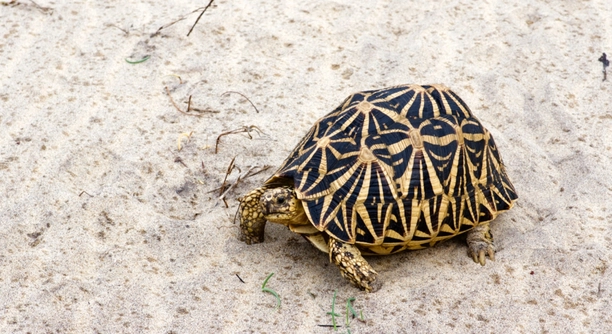
Do you want to build a stronger bond with your turtle but feel unsure about where to start? Spending time together and understanding your turtle’s needs can help create a trusting relationship that makes both you and your pet happy.
The best way to bond with your turtle is through consistent care, gentle interaction, and a calm environment. By respecting your turtle’s natural behaviors and providing a comfortable space, you can gradually earn its trust and build a meaningful connection.
Learning how to approach, feed, and interact with your turtle can make a big difference in your relationship. These simple steps will help you create a positive experience for both you and your shelled companion.
Create a Comfortable Habitat
A proper habitat is essential for your turtle’s well-being. Make sure the enclosure is spacious, clean, and includes both land and water areas. The temperature and humidity levels should match your turtle’s natural environment. A basking area with a heat lamp is also important for maintaining health. Providing hiding spots will help your turtle feel secure. The enclosure should be in a quiet area to minimize stress. Avoid sudden changes in the habitat, as turtles prefer stability. A well-maintained habitat will encourage your turtle to be more active and comfortable around you.
A cluttered or poorly maintained habitat can make your turtle feel uneasy. If your turtle is constantly hiding or seems stressed, adjusting the enclosure may help. A well-organized space promotes relaxation and trust.
Consistency is key when creating a safe and inviting habitat. Regular cleaning and monitoring of water quality ensure a healthy living space. Using non-toxic plants and smooth rocks can add a natural feel to the enclosure. Avoid using bright lights or loud noises near your turtle’s space, as this can cause distress. If your turtle feels comfortable in its environment, it will be more likely to interact with you. A calm and stable home is the first step in building trust.
Handle Your Turtle Gently
Turtles are sensitive to sudden movements and rough handling. When picking up your turtle, use both hands and support its body to prevent stress. Always approach slowly to avoid startling it. Handling your turtle with care will help it feel safe around you.
Frequent but gentle handling can help your turtle get used to your presence. Start with short handling sessions and increase the time gradually. If your turtle shows signs of stress, such as retracting into its shell or trying to escape, give it space. Avoid excessive handling, as turtles prefer minimal contact. Over time, your turtle may become more comfortable with being held.
Letting your turtle explore your hands or a safe surface can build trust. Always wash your hands before and after handling to prevent the spread of bacteria. If your turtle resists being picked up, try sitting near it and letting it come to you. Patience and consistency will make interactions more positive.
Offer Food by Hand
Feeding your turtle by hand can help build trust. Start by offering its favorite foods from a safe distance, then gradually move closer. This allows your turtle to associate you with something positive. Be patient, as it may take time for your turtle to respond.
Using a mix of fresh vegetables, fruits, and protein sources will make feeding more enjoyable for your turtle. Hold the food gently near its mouth and wait for it to take a bite. If your turtle hesitates, try leaving the food nearby and stepping back. Repeating this process daily will help your turtle feel more comfortable eating from your hand. Avoid making sudden movements, as this can scare your turtle. The goal is to make feeding a calm and rewarding experience.
Turtles can be picky eaters, so experiment with different foods to see what they prefer. If your turtle refuses food from your hand, try offering it on a flat surface and gradually move it closer over time. Some turtles take longer to adjust, so be patient. Avoid overfeeding or offering too many treats, as this can lead to health problems. Creating a positive feeding experience will strengthen your bond and encourage trust.
Spend Time Near Your Turtle
Sitting quietly near your turtle’s enclosure helps it get used to your presence. Avoid sudden movements or loud noises, as turtles can be easily startled. Over time, your turtle will begin to recognize you and feel more comfortable having you around.
Talking softly while near your turtle can also help it get familiar with your voice. If your turtle remains calm, try placing your hand inside the enclosure without touching it. Let your turtle observe and approach on its own terms. Repeating this process daily will create a sense of familiarity. Some turtles may take longer to adjust, but consistency is key.
Once your turtle seems comfortable, you can try interacting with it outside of the enclosure. Allow it to explore a safe area while you sit nearby. Avoid forcing interaction—let your turtle decide how close it wants to get. If it starts approaching you or showing curiosity, it is a good sign that trust is developing. Regular, calm interactions will help your turtle feel more relaxed around you.
Allow Your Turtle to Explore
Letting your turtle explore outside its enclosure in a safe space can build confidence. Use a quiet, enclosed area with no hazards. Supervise at all times to prevent accidents. A familiar environment will help your turtle feel more comfortable moving around freely.
Providing different textures like grass, soft towels, or smooth rocks can make exploration more engaging. Avoid slippery surfaces that could cause injury. If your turtle seems hesitant, give it time to adjust. Letting it explore at its own pace will make the experience more enjoyable and stress-free.
Respect Your Turtle’s Boundaries
Some turtles are more social than others. If your turtle retreats into its shell or avoids interaction, give it space. Forcing interaction can cause stress and make bonding more difficult. Let your turtle set the pace for how much contact it is comfortable with.
Keep a Consistent Routine
Turtles feel secure with a predictable routine. Feeding, cleaning, and interaction should happen at regular times each day. Sticking to a schedule helps your turtle recognize you as a source of care and comfort. Over time, this consistency will create a sense of trust, making interactions more natural and stress-free.
FAQ
How long does it take to bond with a turtle?
Bonding with a turtle takes time and patience. Some turtles may start recognizing their owners within a few weeks, while others may take months to feel comfortable. Every turtle is different, so the key is to stay consistent with care and interaction. Regular feeding, a stable environment, and gentle handling can speed up the process. Avoid rushing or forcing interaction, as this can cause stress. The more predictable and calm your presence is, the more your turtle will trust you.
Can turtles recognize their owners?
Turtles can recognize their owners through sight, sound, and smell. They may associate you with food and care, which builds trust over time. Some turtles will show recognition by swimming toward you, watching you closely, or staying relaxed when you are near. While they may not express affection in the same way as dogs or cats, they can still develop a sense of familiarity. If you spend time near their enclosure regularly, your turtle will learn to distinguish you from strangers.
Why does my turtle hide from me?
Hiding is a natural behavior for turtles, especially if they feel unsafe or stressed. If your turtle hides frequently, it may not be used to its environment yet. Loud noises, sudden movements, or too much handling can also make a turtle retreat. Providing plenty of hiding spots in the enclosure can help your turtle feel secure. If you give it time and interact gently, your turtle will slowly become more comfortable around you. Reducing stressors and maintaining a calm atmosphere will encourage your turtle to be more active.
How often should I handle my turtle?
Handling should be done in moderation. Some turtles tolerate handling well, while others prefer minimal contact. Start with short sessions a few times a week and observe how your turtle reacts. If it seems relaxed, you can gradually increase the time. If your turtle tries to escape or hides, limit handling and focus on other bonding methods like hand-feeding or sitting near the enclosure. Forcing handling can make your turtle more fearful rather than helping it bond with you.
What foods help with bonding?
Turtles enjoy a variety of foods, and offering their favorites can help build trust. Leafy greens, squash, berries, mealworms, and shrimp are popular choices. Hand-feeding small pieces allows your turtle to associate you with something positive. Avoid unhealthy foods like processed meats or dairy, as they can harm your turtle’s health. Sticking to a nutritious and varied diet will keep your turtle happy and engaged during feeding time. If your turtle is hesitant to take food from your hand, try placing it nearby and gradually moving closer over time.
Why does my turtle seem scared of me?
Turtles are naturally cautious animals and may take time to adjust to human interaction. If your turtle is scared, it may be due to past experiences, sudden movements, or an unfamiliar environment. Avoid picking up your turtle too often, as this can make it feel vulnerable. Instead, sit near the enclosure and let your turtle observe you. Speak softly and move slowly to help it feel more secure. With time, your turtle will begin to recognize you as a non-threatening presence.
Can my turtle bond with me without handling?
Yes, turtles can bond with their owners without direct handling. Spending time near your turtle, talking softly, and offering food by hand are effective ways to build trust. Some turtles prefer to observe their owners from a distance rather than being picked up. By respecting your turtle’s comfort level, you can create a bond without causing stress. Simply being present and maintaining a calm routine is enough for your turtle to recognize you as a source of care.
Do turtles enjoy human interaction?
Some turtles enjoy human interaction more than others. While they do not seek attention like dogs or cats, they can become curious about their owners. Signs of interest include swimming toward you, watching you move, or staying active when you are nearby. If your turtle seems comfortable and engaged, you can continue gentle interaction. However, if it consistently hides or shows stress, it may prefer minimal contact. Every turtle has a unique personality, so paying attention to its behavior will help you understand what it enjoys.
How do I know if my turtle trusts me?
A trusting turtle will show signs of relaxation around you. It may approach when you enter the room, take food from your hand, or remain active in your presence. If your turtle does not retreat into its shell or try to escape when you are near, it is a good sign that it feels safe. Over time, you may notice your turtle watching you curiously or even following your movements. These behaviors indicate that your turtle recognizes you as a familiar and non-threatening figure.
What should I avoid when bonding with my turtle?
Avoid sudden movements, loud noises, and excessive handling. Forcing interaction can make your turtle more nervous instead of building trust. Never tap on the enclosure, as this can cause stress. Avoid feeding unhealthy foods or neglecting the cleanliness of the habitat, as poor conditions can affect your turtle’s mood. Respect your turtle’s space and allow it to interact on its own terms. With patience and consistency, your turtle will become more comfortable around you.
Final Thoughts
Bonding with a turtle takes time, patience, and consistency. Unlike dogs or cats, turtles do not show affection in obvious ways, but they can still recognize their owners and feel comfortable around them. A well-maintained habitat, gentle handling, and a predictable routine will help build trust. Small actions, like feeding by hand or sitting near the enclosure, can make a big difference. The more time you spend around your turtle in a calm and respectful manner, the more it will associate you with safety and care. Avoid forcing interactions and allow your turtle to move at its own pace.
Understanding your turtle’s natural behavior is essential for strengthening your bond. Some turtles are more social, while others prefer minimal interaction. If your turtle seems shy or hesitant, do not get discouraged. Giving it space and creating a stress-free environment will help it adjust. Watching for signs of trust, like approaching you or staying active in your presence, can indicate progress. Every turtle is unique, so adapting to its personality and comfort level is important. By respecting your turtle’s boundaries, you can create a positive relationship that benefits both you and your pet.
The key to bonding is consistency. Regular feeding, gentle interaction, and a peaceful environment will encourage trust over time. Turtles thrive when they feel secure, so keeping their habitat clean and stable is just as important as social interaction. While turtles may not express emotions the way other pets do, they can still form a connection with their owners. A patient and understanding approach will make your turtle feel more at ease. The bond may take time to develop, but the reward of having a trusting and relaxed turtle is worth the effort.

Hello,
If you enjoy the content that we create, please consider saying a "Thank You!" by leaving a tip.
Every little bit helps us continue crafting quality advice that supports the health, happiness, and well-being of pets around the world, for pets of all shapes, sizes, and species.
We really appreciate the kindness and support that you show us!