
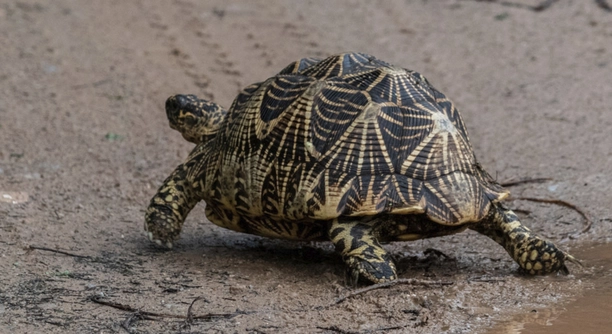
Caring for a star tortoise is a rewarding experience, but it can sometimes be tricky. These creatures, like many pets, can become stressed if not properly cared for, which can affect their health.
To protect a star tortoise from stress, ensure it has a stable environment with proper temperature, humidity, and space. Avoid sudden changes in its habitat and limit loud noises or handling, as these can cause anxiety and discomfort.
Learning to create a stress-free environment for your tortoise will help keep it healthy and content. We’ll explore the steps you can take to minimize stress for your pet and improve its quality of life.
1. Creating a Comfortable Habitat
A star tortoise’s home plays a huge role in its well-being. The first step to minimizing stress is providing a proper enclosure. Make sure the space is large enough for the tortoise to move freely. Avoid cramped conditions, as they can make your tortoise feel trapped and anxious. The substrate, or floor material, should be safe and comfortable, like coconut coir or sand. It’s important to provide hiding spots for your tortoise, as this gives it a sense of security. Without a place to retreat, it may become stressed and constantly alert.
Remember to keep the enclosure clean and free of waste. Dirty surroundings can lead to health problems, which only add to your tortoise’s stress. Regularly check for mold or bacteria growth. A clean, well-kept environment not only makes your tortoise feel safe but also reduces the chances of infections or other health issues. Additionally, the space should be well-ventilated and placed away from direct drafts or strong winds.
The overall atmosphere of the enclosure should feel calm. This means keeping the space quiet and avoiding frequent disturbances. If your tortoise feels threatened, it may hide in its shell or become agitated. Over time, this can take a toll on its health.
2. Temperature and Humidity
Proper temperature and humidity levels are essential for your star tortoise’s health.
Inadequate conditions can cause discomfort and stress. The ideal temperature range should be between 85°F and 95°F during the day, with a cooler area around 70°F for nighttime. Humidity should remain between 40% and 60%.
Having a reliable heat source, like a basking lamp, will help maintain these conditions. However, be mindful of creating temperature gradients within the enclosure, so your tortoise can move to a more comfortable spot when needed. Too high or low temperatures can lead to stress, and in extreme cases, cause illness. Make sure your tortoise has access to fresh water, which helps regulate body temperature and keeps it hydrated. Too much humidity, on the other hand, can create mold growth, which stresses your tortoise.
3. Handling Your Star Tortoise with Care
When interacting with your star tortoise, it’s crucial to handle it gently.
Avoid picking it up too often. Star tortoises are naturally shy and may become stressed if handled excessively. When you do need to move your tortoise, use both hands to support its body evenly. Always approach it slowly and never grab it by its shell, as this can cause distress. Handling should be brief, and only when necessary.
If you notice signs of stress, like rapid movements or hiding in its shell, it’s best to back off. Give your tortoise some time alone to calm down. Over time, your tortoise may become more comfortable with handling, but patience is key.
4. Quiet Environment
A quiet, peaceful environment can make a significant difference in reducing stress.
Avoid loud noises or sudden movements near your tortoise. Star tortoises are sensitive to disturbances, and loud sounds, like music or conversations, can make them anxious. Keep their enclosure in a calm area of the house, away from heavy foot traffic or noisy pets.
Stress from noise can cause your tortoise to withdraw or behave unusually. Ensure the enclosure is in a place where your tortoise feels secure. A calm environment promotes relaxation, and your tortoise will feel more at ease, leading to better health and less stress.
5. Diet and Nutrition
A balanced diet is essential for keeping your star tortoise healthy and stress-free.
Providing the right foods ensures your tortoise remains strong and happy. Offer a variety of leafy greens, grasses, and occasional fruits. Avoid feeding it too much fruit, as it can upset its digestive system.
Nutrient deficiencies can make your tortoise feel unwell, increasing stress levels. Make sure the food is fresh, and avoid using pesticide-treated plants. Supplements like calcium and vitamin D3 can also help keep your tortoise healthy.
6. UVB Lighting
UVB lighting is crucial for your tortoise’s health and stress reduction.
Star tortoises rely on UVB rays to synthesize vitamin D3, which helps them absorb calcium properly. Without it, they can suffer from metabolic bone disease, which leads to stress and discomfort.
Provide UVB lights that cover a wide range of wavelengths, ensuring your tortoise gets the necessary exposure. Place the light source at an appropriate distance from the basking area and make sure it’s on for 10 to 12 hours each day.
FAQ
What are the signs that my star tortoise is stressed?
Some common signs of stress in a star tortoise include hiding more than usual, excessive pacing, loss of appetite, or retreating into its shell at the slightest disturbance. If your tortoise is often trying to escape its enclosure, it could be stressed by its environment or something in its habitat. Watch for changes in its behavior, as these could indicate that it is feeling uncomfortable or threatened.
How can I reduce stress when my tortoise seems anxious?
To help reduce stress, first, evaluate the environment. Ensure the temperature and humidity levels are stable and within the proper range. If your tortoise seems uncomfortable, make adjustments to its habitat, like adding more hiding spots or reducing handling. Reducing loud noises and providing a more peaceful environment can also help. Giving your tortoise space and minimizing interaction during these times is key to helping it feel secure.
Can I play music or sounds around my star tortoise?
While some pets may enjoy music, star tortoises are quite sensitive to loud or sudden noises. Music with heavy beats or loud sounds could cause stress. It’s best to keep the environment quiet and calm. Soft, low-volume music is less likely to upset your tortoise, but it’s important to observe its reactions and adjust accordingly. If it hides or becomes more withdrawn, it’s a sign that the noise is bothering it.
How often should I handle my star tortoise?
Handling should be minimal. Star tortoises are naturally solitary animals, and too much interaction can stress them out. If handling is necessary, make sure it’s brief and gentle. Try to limit handling to once a week, or less, depending on how your tortoise reacts. Allow your tortoise to move freely in its space, and give it time to adjust to any new environments or changes.
How can I make my tortoise’s enclosure more comfortable?
Creating a comfortable habitat for your tortoise is crucial for reducing stress. Ensure the enclosure is large enough for your tortoise to roam freely, and provide hiding spots for security. Use safe substrate materials, like coconut coir or sand, and make sure the enclosure has proper ventilation. Avoid placing the enclosure in high-traffic areas of your home, and try to maintain a steady temperature and humidity.
Should I let my star tortoise roam outside?
Letting your star tortoise roam outside can provide it with enrichment, but be cautious. If you decide to let it out, ensure the environment is safe and free of predators or dangers. Never leave it unsupervised. Keep an eye on the weather, as temperature extremes can lead to stress. The outdoor space should also be enclosed to prevent your tortoise from wandering off or getting lost.
Can other pets cause stress to my star tortoise?
Yes, other pets can be a source of stress for your star tortoise. Cats, dogs, or other animals in the household can be perceived as threats, making your tortoise anxious or fearful. Always supervise interactions between your tortoise and other pets. If you have other pets, it’s important to make sure they do not have access to the tortoise’s enclosure. Even through the enclosure, constant interaction with other pets can lead to stress.
What should I do if my star tortoise stops eating?
If your star tortoise stops eating, it could be a sign of stress, illness, or improper environmental conditions. First, check the temperature and humidity levels in its habitat to ensure they’re correct. A sudden change in diet or environment can also cause stress and appetite loss. If the situation doesn’t improve within a few days, or if your tortoise shows other signs of illness, it’s best to consult with a veterinarian to rule out any health issues.
How can I tell if my star tortoise is too hot or too cold?
A star tortoise that is too hot will often become sluggish, hide more than usual, or pant. On the other hand, if it’s too cold, it may become inactive or seek out warmer areas in its enclosure. Temperature fluctuations that are too extreme can lead to stress, so it’s essential to maintain a steady and suitable environment. If your tortoise is constantly seeking heat or hiding in a cool area, it’s time to check its temperature and adjust accordingly.
Can stress affect the health of my star tortoise?
Yes, stress can negatively impact your star tortoise’s health. Chronic stress can lead to a weakened immune system, digestive issues, and a decrease in overall health. Stress can also make your tortoise more vulnerable to infections or illnesses. Reducing stress by providing a stable, comfortable environment, proper diet, and minimal handling is essential for keeping your tortoise healthy and happy. If you notice prolonged signs of stress, it’s important to address the cause as soon as possible.
Final Thoughts
Taking care of a star tortoise requires more than just providing food and shelter. It’s essential to focus on the details that help reduce stress and keep your tortoise comfortable. A stable and safe environment is key to their well-being. This includes maintaining the right temperature, humidity, and giving them enough space to move freely. It’s important to observe your tortoise’s behavior and adjust its living conditions when needed. Small changes, such as adding hiding spots or adjusting the lighting, can make a big difference in reducing stress.
Handling your star tortoise carefully is also important. These creatures are not as social as some other pets, and too much interaction can cause them to feel overwhelmed. Allowing your tortoise to move around at its own pace and giving it space when it seeks solitude helps minimize anxiety. While it’s okay to handle them occasionally, it’s best to do so gently and only when necessary. Star tortoises are naturally shy and prefer a quiet, undisturbed environment, so minimizing stress by keeping noise levels low will help them thrive.
Ultimately, protecting your star tortoise from stress is about creating a peaceful, well-balanced environment. From proper care of their habitat to understanding their behavior, every small step you take contributes to their overall health and happiness. By staying attentive to their needs and making necessary adjustments, you can ensure your tortoise leads a comfortable, stress-free life.

Hello,
If you enjoy the content that we create, please consider saying a "Thank You!" by leaving a tip.
Every little bit helps us continue crafting quality advice that supports the health, happiness, and well-being of pets around the world, for pets of all shapes, sizes, and species.
We really appreciate the kindness and support that you show us!