
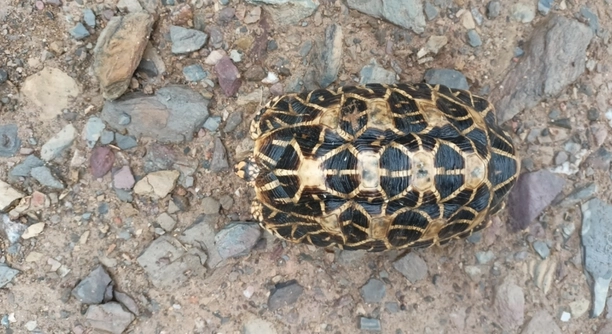
A star tortoise may surprise you with chirping sounds that leave you wondering what’s going on. This behavior can be puzzling, especially for new tortoise owners. Understanding these sounds is key to ensuring your pet’s health and well-being.
Star tortoises typically chirp when they are stressed, unwell, or seeking attention. Other possible reasons include discomfort, hunger, or environmental factors like temperature or humidity issues. Identifying the cause is essential for addressing the behavior effectively.
There are various reasons why your star tortoise may be chirping. Identifying the cause can help you provide the best care for your pet. Keep reading to explore the possible reasons behind these sounds.
Stress and Anxiety
Star tortoises can chirp when they feel stressed or anxious. These animals are sensitive to changes in their environment, so any sudden shifts can cause them distress. Moving them to a new enclosure, rearranging their habitat, or even having a lot of noise around them may trigger these sounds. Additionally, stress can arise from overcrowding or a lack of space. Tortoises need quiet, secure spaces where they can move freely without feeling trapped.
Stress is a common cause of chirping, and it’s important to create a calm and comfortable space for your tortoise. Make sure the enclosure is spacious, has hiding spots, and is in a low-traffic area.
If your star tortoise is chirping excessively, it may be a sign they’re not happy with their surroundings. Try adjusting their environment to ensure they feel secure and safe. Monitoring how they respond to these changes can help you identify if stress is the main reason for the chirping.
Hunger or Thirst
Hunger or thirst might cause chirping if your tortoise hasn’t eaten or had access to water.
A star tortoise’s diet must be carefully balanced, including access to fresh vegetables and a water source. If their needs aren’t met, they may become vocal in an attempt to signal hunger. Make sure you are providing the right food and enough water to keep them healthy and content.
Temperature and Humidity Issues
Chirping can occur if the temperature or humidity in your tortoise’s habitat is too high or too low. These factors are essential for their comfort. If the environment is too warm or too cool, your tortoise may try to communicate its discomfort through sounds.
Star tortoises require a specific range of temperature and humidity to stay healthy. The warm side of their habitat should be around 85-90°F, while the cooler side should stay between 75-80°F. Humidity should be kept at around 50-60%. If these conditions aren’t met, it could lead to stress, which may be expressed through chirping.
To ensure proper conditions, use a thermometer and hygrometer to monitor the temperature and humidity regularly. Adjust the heat sources, like lamps or heat pads, and consider adding a humidifier if the air is too dry. Keep checking the levels to make sure they remain consistent, as fluctuations can easily lead to chirping sounds.
Illness or Injury
A star tortoise may chirp if they are sick or injured. Health problems often lead to distress, which can result in vocalizations. It’s important to be alert for other signs of illness, such as lack of appetite or changes in behavior.
If your tortoise seems lethargic or exhibits unusual behavior like not moving, eating, or drinking, it’s best to have them checked by a vet. Infections, respiratory issues, and even minor injuries could cause discomfort, leading to chirping. Keeping their environment clean and checking for potential injuries regularly can help avoid these problems.
If your tortoise is chirping and displaying other signs of distress, it’s crucial to get a professional’s help quickly. Star tortoises rely on their owners to spot any health problems early. A timely response can make a significant difference in their recovery.
Boredom or Lack of Stimulation
Chirping can also happen if your star tortoise is bored. These creatures need mental stimulation and activity to stay healthy. Without it, they may express frustration through sounds.
Providing variety in their environment can help prevent boredom. Adding new objects, like rocks or plants, and occasionally changing the layout of their enclosure can keep them engaged.
Mating Behavior
During the mating season, male star tortoises can become more vocal. Chirping may be a way for them to communicate with potential mates.
Mating behavior can also cause aggression and territorial sounds. If you have multiple tortoises, be prepared for increased vocalizations during the breeding season, especially from males competing for attention.
FAQ
Why is my star tortoise making chirping sounds?
Chirping sounds are usually a way for your star tortoise to communicate discomfort, stress, or frustration. The most common reasons include hunger, thirst, temperature and humidity issues, illness, or boredom. It’s essential to assess the environment and health of your tortoise to determine the exact cause. Addressing the specific issue, like adjusting their habitat or providing more stimulation, will help reduce these sounds.
How can I tell if my star tortoise is stressed?
Signs of stress in a star tortoise may include excessive chirping, hiding more than usual, or refusing to eat or drink. You might also notice them being more lethargic or aggressive. Ensuring that their environment is stable and comfortable, with the right temperature, humidity, and enough space, is key to reducing stress.
Can temperature or humidity cause chirping?
Yes, improper temperature or humidity can lead to stress and chirping. Star tortoises need specific conditions to thrive. The warm side of their enclosure should be between 85-90°F, and the cooler side should be around 75-80°F. Humidity should stay between 50-60%. If these conditions fluctuate too much, it can cause discomfort and chirping.
What should I do if my star tortoise is chirping from boredom?
If your tortoise is chirping from boredom, try changing up their environment. Adding new elements, like rocks, plants, or a hiding spot, can keep them interested. You can also vary their feeding routine by introducing different vegetables. Interaction with them, like occasional handling, might also reduce boredom.
Is chirping a sign that my star tortoise is sick?
Chirping could be a sign that your star tortoise is unwell, especially if accompanied by other symptoms like lack of appetite or unusual behavior. Illness or injury can cause distress, leading to chirping. If the chirping is persistent or paired with other signs of illness, a visit to the vet is recommended.
Can my star tortoise chirp if they are in pain?
Yes, if your star tortoise is in pain due to injury or illness, they may chirp. This is a form of communication, signaling that something is wrong. Check for injuries or other signs of discomfort. If the chirping is ongoing or if you notice other troubling signs, it’s best to consult a vet.
Why does my male star tortoise chirp more than the female?
Male star tortoises can be more vocal, especially during the breeding season. They may chirp to attract females or to assert dominance over other males. If you have more than one male, they might also chirp due to competition. This behavior is typical in the mating season.
Can overcrowding cause my star tortoise to chirp?
Yes, overcrowding can make a star tortoise feel stressed and lead to chirping. Star tortoises need enough space to move around and establish territory. If your tortoise feels cramped or unable to find a quiet space, they may chirp as a sign of distress. Providing more room for your tortoise to roam is essential.
How can I reduce chirping caused by temperature issues?
To reduce chirping caused by temperature issues, make sure your star tortoise’s enclosure has a heat source on one side and a cooler side. Use a thermometer to regularly check the temperature, ensuring it stays within the proper range of 85-90°F on the warm side and 75-80°F on the cool side.
How can I tell if my star tortoise is hungry or thirsty?
If your star tortoise is chirping and seems restless, it could be trying to tell you they’re hungry or thirsty. Make sure you’re providing a balanced diet, including fresh vegetables, and always have clean water available. If you haven’t fed your tortoise in a while or their water is empty, try offering food or water and see if the chirping stops.
Final Thoughts
Understanding why your star tortoise chirps is key to ensuring their well-being. It’s a form of communication that can signal different issues, from stress and boredom to environmental problems or health concerns. By paying attention to their behavior and the conditions of their habitat, you can address the root cause of the chirping. The more you understand your tortoise’s needs, the better equipped you’ll be to create a comfortable, healthy environment for them.
Creating a stable habitat with proper temperature, humidity, and space is the first step in preventing stress-related chirping. Regularly checking the temperature and humidity levels, as well as providing clean food and water, can help maintain a calm environment. If your tortoise seems particularly restless or chirping more than usual, it may be time to reassess their enclosure. Look for signs of discomfort, such as hiding, lack of movement, or poor eating habits. In some cases, chirping could signal a more serious issue like illness or injury, which requires a visit to a vet.
It’s also important to remember that star tortoises, like all pets, need regular stimulation. Providing variety in their environment, including toys, hiding places, or new objects to explore, can keep them mentally engaged. Adding a routine and spending some time with them each day can also reduce feelings of boredom. By being proactive in addressing their needs, you can minimize chirping and ensure your star tortoise remains happy and healthy for years to come.

Hello,
If you enjoy the content that we create, please consider saying a "Thank You!" by leaving a tip.
Every little bit helps us continue crafting quality advice that supports the health, happiness, and well-being of pets around the world, for pets of all shapes, sizes, and species.
We really appreciate the kindness and support that you show us!